


PPC Management Services
PPC management across search, shopping, social and video, run by specialists and judged on revenue and cost per lead, not clicks. Our clients have grown sales by 1000% (Bfree) and paid revenue by 109% (Linen House).
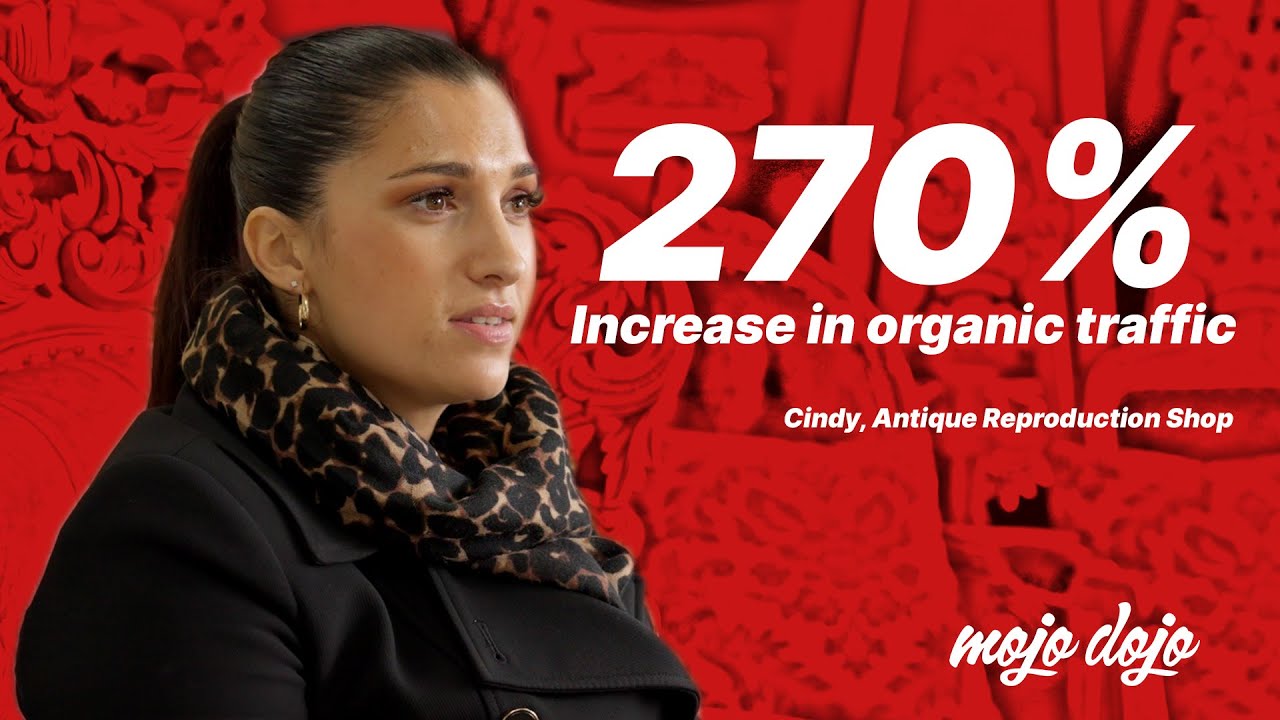
Real Mojo Dojo clients, on the record.
What is PPC management?
PPC management is the ongoing work of planning, building, running and improving paid ads where you pay when someone clicks. It covers keyword and audience research, ad copy and creative, bid and budget control, landing pages, conversion tracking and reporting, across platforms such as Google, Microsoft, Meta and LinkedIn.
Paid channels we manage — chosen by where your buyers are and what a customer is worth, not by what is easiest to sell
Search ads. Capture people already searching for what you sell, with full control of keywords, match types and ad copy across Google Ads management and Microsoft Advertising.
Shopping and Performance Max. Product feeds and automated campaigns for online stores, with feed clean-up and asset control. See Google Shopping Ads and Performance Max.
Display and YouTube. Reach and retarget audiences with visuals and video through Google Display and YouTube Ads.
Remarketing. Bring back visitors who did not convert, with audiences built from real behaviour. See our remarketing service.
Meta ads. Demand generation and direct response on Facebook and Instagram, from creative testing to audience strategy. See Facebook Ads and Instagram Ads.
LinkedIn ads. Reach buyers by job title, company and industry for B2B lead generation. See LinkedIn Ads.
TikTok ads. Short-form video campaigns for brands whose buyers spend time on the platform. See TikTok Ads.
The right mix, not every channel. We will tell you when a channel is not worth your budget yet. A smaller, well-run mix beats a wide one spread too thin.
The word that matters is management.
Launching a campaign takes an afternoon. Keeping it profitable takes regular attention: search terms drift, competitors change their bids, ads go stale, and platform automation needs guardrails. A managed account gets steadily cheaper per result. An unmanaged one usually gets more expensive.
We run dedicated city pages for this service across Australia: Sydney PPC Management, PPC Management Melbourne, Brisbane PPC Management, PPC Management Perth and Adelaide PPC Management.
We judge every account on what it returns to your business, meaning leads, sales and revenue, rather than clicks or impressions. If you are weighing paid against organic, read our comparison of SEO, PPC and SEM, then see how we run SEO alongside paid.
“Easily one of the most intelligent individual I have had the pleasure of working agency side. (You) did the best by the client who is reaping the benefit of running one of the most sophisticated Google adwords campaign I have seen in my career.”
Kartik, on our Google Ads work
PPC in Australia: where the ad budget is going.
Market figures from IAB Australia's Internet Advertising Revenue Report, prepared by PwC (calendar year 2025, published 2 March 2026).
What is included in our PPC management.
Setup, daily running and reporting are all part of the service, so nothing is left to your team.
Account and tracking audit
A full review of existing accounts, conversion actions and data quality before any budget moves.
Keyword, audience and competitor research
Intent-led research that finds the searches and audiences most likely to become customers.
Campaign structure and build
Campaigns organised by intent and value so budget can follow return.
Ad copy and creative
Copy, images and video written for the audience, tested against each other.
Bid and budget management
Bid strategies, budgets and pacing set against your target cost per lead or return on ad spend.
Search term and negative keyword control
Ongoing removal of wasted queries and protection of your brand terms.
Landing page recommendations and testing
Changes to pages and forms that lift conversion, working with our CRO team.
Conversion and call tracking
Form, call and sales tracking set up and checked so reported results can be trusted.
Remarketing audiences
Lists built from real site behaviour to win back visitors who did not convert.
Ad and creative testing
Controlled experiments so winners are kept and learning builds over time.
Shopping feed optimisation
For online stores, product data clean-up that improves eligibility and click-through.
Reporting and strategy reviews
Reports on leads, revenue and return, plus a regular review of what to do next.
See where your ad budget could work harder.
Book a strategy session and we will review your accounts, tracking and channel mix.
How PPC advertising works.
Most PPC platforms sell ad space through an auction that runs each time someone searches or scrolls. You choose who you want to reach and what you are willing to pay for a result. The platform then decides whether your ad enters the auction and where it appears.
On Google Ads, position depends on Ad Rank, which combines your bid with the quality of your ad and landing page and the context of the search. That is why the highest bidder does not always win, and why a relevant ad on a fast page can cost less per click than a poor one. Quality Score, a 1 to 10 diagnostic shown in the account, is a useful signal of how well keyword, ad and landing page fit together.
Other platforms work on similar principles with different inputs. Meta and LinkedIn weigh your bid against how likely the audience is to engage. Managing PPC well means knowing what each auction rewards and shaping the account to match. For the biggest platform, see our Google Ads management service.
Where PPC budgets leak, and what we do about it.
Six common ways paid budget is wasted, and the fix for each.
Conversions are counted wrongly
Double-counted form fills, reloaded thank-you pages and missing call tracking make an account look better or worse than it is, and automated bidding then learns from bad data.
Ads show for the wrong searches
Broad and phrase match can trigger ads on loosely related queries, so budget goes to clicks that were never going to buy.
One campaign, one budget, no control
When everything is lumped together, the products or services that earn the most are starved while weak ones absorb spend.
Good clicks, poor landing page
Paid traffic sent to a generic or slow page converts badly, and platforms can charge more for a weak landing page experience.
Stale ads and creative fatigue
Ads that never change lose click-through rate, and on social platforms audiences tire of seeing the same creative.
Reports full of clicks
Dashboards that lead with impressions and clicks hide whether the account is making money.
Get a free review of your PPC accounts.
Tell us about your website and the ad accounts you run today, and we will point out where your paid budget could work harder. No obligation.
How our PPC management process works.
Six stages, from goals to reporting.
Goals and economics
We learn your margins, lead value, sales cycle and targets so success is defined in money, not clicks.
Account and tracking audit
We review any existing accounts and fix measurement before we touch budgets.
Strategy and budget plan
Channel mix, budget split and targets are agreed with you before anything launches.
Build and launch
Campaigns, ads, audiences and landing pages go live with tracking already in place.
Ongoing optimisation
We review search terms, bids, budgets and creative tests, and move spend toward what returns most.
Reporting and review
Monthly reporting on leads, revenue and return on ad spend, then a plan for the next month.
PPC and SEO work best together.
Paid search buys speed and control. You can be on page one tomorrow, target exact audiences and switch budgets on and off. Organic search builds an asset that keeps bringing traffic without a cost per click. Each channel makes the other cheaper to run.
Search term data from paid campaigns shows which keywords convert, so we know which pages are worth ranking for. Organic data shows which pages already convert, so we know where paid clicks will land well. Bfree is a good example: running Google Ads management alongside SEO, sales rose 1000% and organic traffic 192%.
If you are deciding where to start, our guide to SEO vs PPC vs SEM sets out the trade-offs, and our SEO service covers the organic side.
PPC results from our clients.
Paid media outcomes from published case studies.

Linen House
109% increase in paid revenue

Downies Collectables
1209% increase in ROAS

Bfree
1000% Increase in Sales
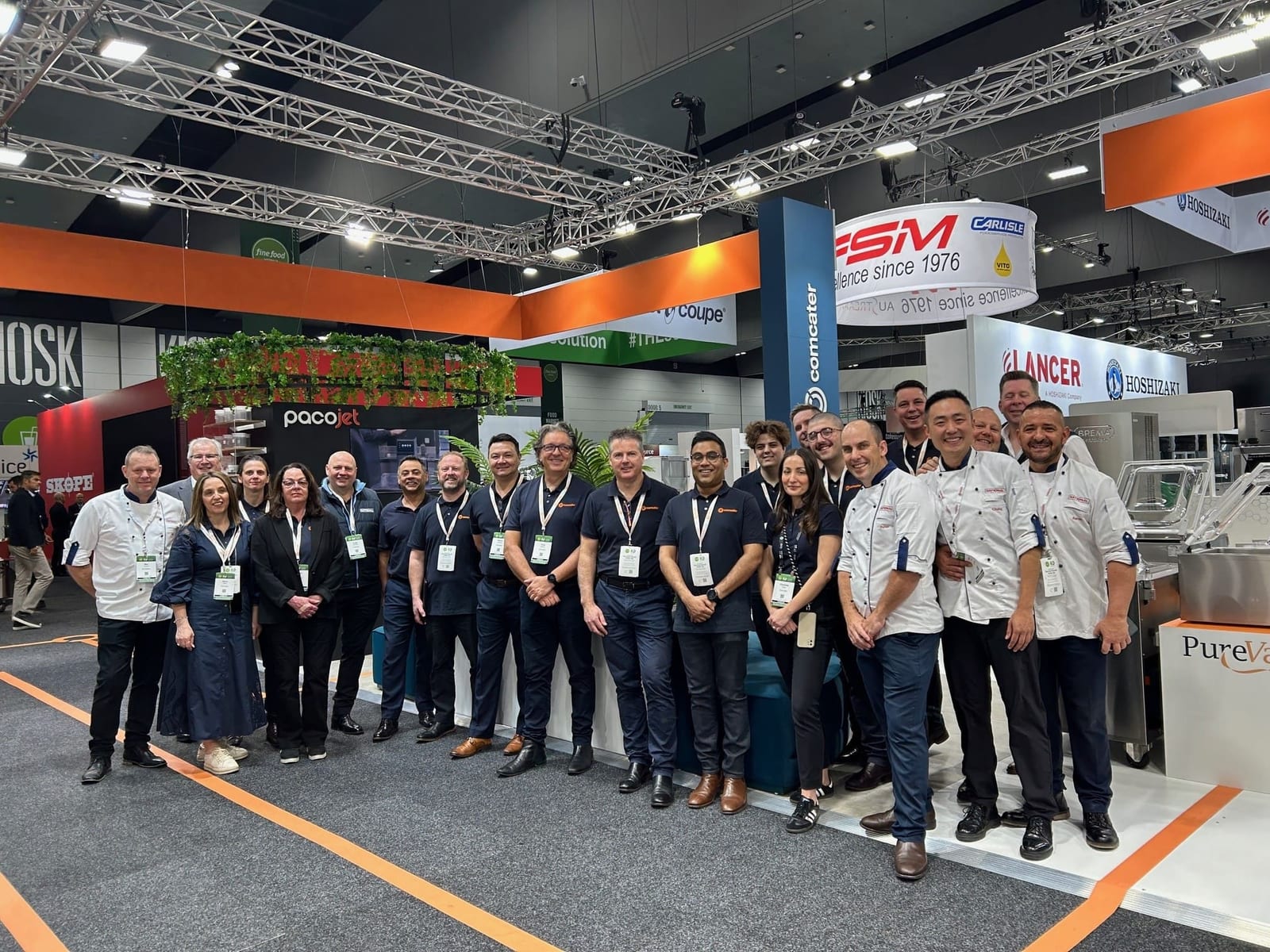
Comcater
50% decrease in marketing cost

Arise Solar
370% increase in paid conversions
See every published case study.
Paid, organic and website results across our client base.
“Their team understood our business before we even had to explain it. Enquiries are up 250% and the quality is better than ever.”
Outsmart competitors instead of outspending them.
What nine years and $32 million of Google Ads taught us about outsmarting competitors instead of outspending them. One client, five ideas that transfer to any account.
Send me the PPC Playbook →
Free. 12 pages, 14 min read. In your inbox. Magic-link delivery — it arrives in about two minutes, and there's no sales call attached to reading it.
What are PPC management services?
PPC management services cover the planning, setup, daily running and reporting of pay per click advertising. That includes keyword and audience research, ad copy and creative, bidding and budgets, tracking, landing page advice and regular reporting, across platforms such as Google Ads, Microsoft Advertising, Meta and LinkedIn.
How is PPC different from SEO?
PPC buys visibility. You pay per click or action, results start quickly and you control who sees the ad. SEO earns visibility over months and has no cost per click, but takes longer to build. Most businesses do best running both, each informing the other. Our guide to SEO vs PPC vs SEM goes through the trade-offs.
Which PPC platforms should I advertise on?
It depends on where your buyers are and what a customer is worth. Shopping suits online stores. LinkedIn suits B2B lead generation. Meta and TikTok suit demand creation and visual products. We recommend a mix after understanding your margins, not a fixed package.
How long does it take to see results from PPC?
Traffic starts as soon as campaigns are approved, but useful conclusions take longer. Platforms need data to learn, so expect the first weeks to be about collecting it and removing waste, with efficiency improving as tests conclude. Linen House cut marketing cost by 40% while paid revenue grew 109%, which is the pattern good management aims for.
How do I know if my PPC campaigns are working?
Judge them on business results: leads, sales, revenue, cost per acquisition and return on ad spend, not clicks or impressions. That only works if conversion tracking is accurate, so we check tracking first. Where possible we tie ad data to real sales or lead quality, not just form fills.
Should I manage PPC in-house or hire an agency?
In-house works when you have someone with the time and platform experience to keep accounts current. An agency suits teams that need specialists across several platforms, fresh testing ideas and reporting that ties spend to revenue. Many businesses start with an agency and bring parts of the work in-house later.
Do you provide PPC audits?
Yes. An audit reviews your account structure, tracking, keywords and search terms, ads, budgets and landing pages, then ranks the fixes by likely impact. See our Google Ads audit, or use the form below to ask for a review.
What is remarketing and why does it matter?
Remarketing shows ads to people who have already visited your site or engaged with your brand. Most visitors do not convert on the first visit, so remarketing keeps you in front of warmer audiences, usually at a lower cost per conversion than cold traffic. Linen House used remarketing as part of the campaign that grew paid revenue 109%. See our remarketing service.
What should I look for in a PPC agency?
Ask who owns the ad accounts, how conversions are measured, what the reports lead with, and how spend is split by margin. Look for published results in your kind of business, not just headline figures. Be wary of agencies that report clicks and impressions but cannot show revenue or cost per lead.
Get a free review of your PPC accounts.
Tell us about your website and the ad accounts you run today, and we will point out where your paid budget could work harder. No obligation.
More paid media services.
The platforms, campaign types and audits that sit inside our PPC management.