
Chicago AI SEO Agency
Chicago AI SEO that applies machine learning to keyword research, content and technical fixes so your site ranks for the searches that matter. Chicago is the Midwest's financial hub with a huge, diverse B2B and B2C economy, so AI-driven search lets you compete across many industries without wasting budget.
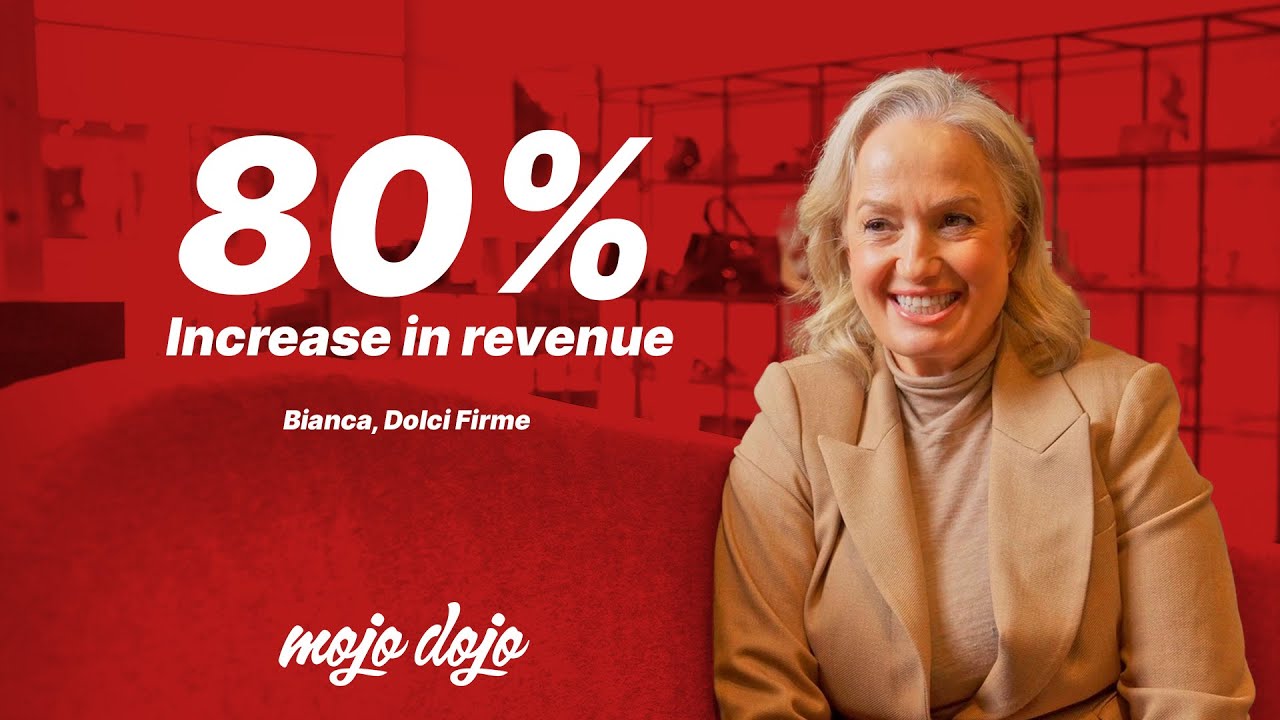
Real Mojo Dojo clients, on the record.
A diversified economy where every sector now researches with AI.
No single sector makes up more than 13% of the regional economy, according to the area's economic development agency, which values Chicagoland at $886 billion. That spread matters for AI search. Logistics managers, hospital administrators, plant engineers, general counsel and families moving to the suburbs all ask different questions, and all of them are increasingly asking an assistant first. Each question produces a short answer that names a few businesses.
The region is also a headquarters market. It was home to 30 Fortune 500 companies in the 2025 rankings, the second-highest count of any U.S. market. Corporate buyers have procurement teams that use AI tools to scan vendors, summarize capabilities and check reputations before a sales call is ever booked. If your capabilities, certifications and case evidence are hard to find, the summary they read will be thin, or it will describe a competitor.
Meanwhile the self-employed and small business base is huge. Cook County alone had 553,291 nonemployer businesses in 2023, about four for every employer establishment. For a plumber in Logan Square or a CPA in Naperville, the question is simple: when someone asks ChatGPT or Google's AI Mode for a recommendation in their neighborhood or suburb, does your name come up? We make sure the facts it needs are there.
Our nationwide offer is described on the AI SEO USA page. Our team also works in New York, Los Angeles, Houston, Austin and Miami.
Related Chicago services include SEO, Link Building and ChatGPT Ads. See all of our Chicago services.
AI SEO in Chicago: the market in numbers.
Sourced figures on the scale and mix of an economy whose buyers are moving their research into AI tools.
Industries we help in Chicago.
How AI citations and recommendations play out across the sectors that keep the regional economy balanced.
Transportation, distribution and logistics
The largest employment sector, at about 933,400 jobs. Freight, warehousing and 3PL firms need capability and coverage pages that assistants can summarize when a shipper asks who handles a lane or commodity.
Professional and business services
About 817,900 jobs and a dense corporate client base. We publish legal, accounting and consulting expertise as answer-first guidance with named authors that AI tools will cite.
Health care and education
The fastest-growing major sector in the year to July 2026. We make provider, program and location details consistent, because AI answers about care and training name only sources they can verify.
Advanced manufacturing and food
Manufacturers selling B2B compete on niche, technical questions. We turn spec sheets and certifications locked in PDFs into readable, citable pages with structured data.
Financial services and insurance
A regulated, high-value category. We state products, licenses and credentials precisely and compliantly so assistants describe your firm accurately.
Hospitality and conventions
Convention and leisure visitors plan with AI help. We keep venue, menu, hours and booking details current across the sources assistants rely on.
Is AI search sending Chicago buyers to your competitors?
Book a strategy session and we will show which prompts cite you, which cite rivals and what is holding you back.
What is AI SEO?
AI SEO is used to mean two different things, and we do both.
Optimizing for AI search. Making sure AI assistants and AI search features can find, understand, trust and quote your business. This is also called generative engine optimization (GEO) or answer engine optimization (AEO). It covers crawl access, page structure, answer-first content, schema markup, brand mentions and measurement.
Using AI inside the SEO workflow. Using AI tools to analyze large sets of data, cluster keywords, audit sites and draft outlines faster. Every recommendation and every word of copy is reviewed by an expert. AI speeds up the analysis. It does not replace expert review, original thinking or accountability for results.
AI SEO is not a separate silo. It builds on SEO, link building and content, and for ChatGPT specifically we have a dedicated SEO for ChatGPT service. The difference is what we measure and how we shape each page: answers that can be lifted cleanly, facts that can be checked and a brand that is named consistently across the web.
Evidence from our own data.
First-party findings from our audit of B2B companies and from our own website logs. They reflect the measurement gap most Midwest firms share, and they are not borrowed benchmarks.
Where businesses lose AI visibility, and how we win it back.
Search used to mean one engine and ten blue links. Buyers across the metro now research in several AI tools before they visit a site.
Vendor facts hidden from AI research
Corporate buyers ask assistants to shortlist suppliers by capability, certification and scale. When that information sits in sales decks and RFP responses, the AI summary is vague or describes a rival instead.
Public capability pages with evidence
We publish the non-confidential essentials as structured capability, industry and certification pages, with figures and schema that assistants can quote accurately.
English-only in a multilingual market
More than a third of city residents speak another language at home, and Spanish-speaking, Indian and Filipino communities are growing across the metro. Prompts in those languages draw on sources in those languages.
Reviewed in-language pages
Where your customers use another language, we plan professionally translated service and FAQ pages with correct hreflang and schema, checked by a fluent reviewer.
Crawlers cannot read the page
Content that only appears after heavy JavaScript, pages blocked in robots.txt or slow servers can leave AI crawlers seeing an empty page.
Crawl access and rendering fixed
We check which AI crawlers can reach your site, fix rendering, speed and indexing issues, and add schema markup so entities and facts are machine readable.
Nobody else vouches for you
AI systems weigh what the wider web says about a brand. Thin mentions, inconsistent business details and few quality links make you a risky source to name.
Third-party proof is built
We earn relevant links and mentions, tidy brand and entity details across profiles and directories, and strengthen the reviews and citations others see.
Traditional search vs AI search: what has changed.
The fundamentals of good SEO still matter. What has changed is the shape of the query, the result and the goal, whether the person asking is a procurement lead downtown or a homeowner in Oak Park.
| Area | Traditional search | AI search |
|---|---|---|
| User behavior | Short keyword queries, refined by trial and error | Longer, conversational, multi-part questions with follow-ups |
| Results | A ranked list of links | One written answer with a handful of cited sources |
| Journey | Click through several sites to compare | Research happens inside the assistant; visitors arrive later and better informed |
| SEO focus | Keywords, rankings, backlinks | Clear answers, entities, evidence and brand authority, on top of the same technical base |
| Visibility | Position on the results page | Being cited, mentioned or recommended in the answer |
| Measurement | Rankings, impressions, clicks | Citations, share of voice across prompts, AI referral traffic |
How SEO fuels AI visibility.
AI search does not replace SEO. It rewards the parts of SEO that make a page easy to understand and safe to quote.
| SEO activity | How it can help in AI search |
|---|---|
| Topic clusters and internal links | Cover a subject and its follow-up questions in one place, so a system finds a complete set of answers on your site |
| Schema markup | States who you are, what you sell and what each page covers in a format machines read directly |
| Answer-first copy | Gives assistants a short, self-contained passage that is easy to quote accurately |
| Long-form depth | Supports the multi-part prompts people now type, with detail beyond the first answer |
| Links and digital PR | Third-party links and mentions show other sources vouch for you |
| Technical SEO | Crawlable, fast, correctly rendered pages that AI crawlers can actually read |
| Reviews and consistent business details | Help systems recognize your brand as one clear entity and trust it |
| Regular updates | Keep facts, prices and dates current so answers built from your page stay accurate |
No agency can promise a citation, because every assistant selects its own sources and changes them over time. Our job is to remove each reason you might be passed over, run the prompts that matter in each of your markets, and show you month by month which answers now include you.
Five stages to AI visibility.
Delivered remotely on Central Time and built into our SEO work rather than sold as a separate silo.
Baseline
We test a set of real buyer questions across ChatGPT, Gemini, Perplexity, Claude, Copilot and Google AI Overviews, and record who is cited, who is named and what the answers get wrong about you.
Access and technical
We check crawl access for AI bots, rendering, speed, indexing and schema, and fix what blocks them. This overlaps with a full SEO audit.
Content
We map the questions your buyers ask, then build or restructure pages with a direct answer first, evidence, definitions and structured FAQs.
Authority
We earn relevant links and mentions, align brand and entity details across the web, and fix wrong or outdated facts at their source.
Measure and refine
We track prompts, citations and AI referral traffic alongside rankings and leads, then feed what we learn back into the next month of work.
Everything included in our AI SEO services.
We handle the analysis, the fixes and the reporting, so your team is not left to interpret AI search on its own.
AI visibility baseline. Prompt testing across the major AI assistants and AI Overviews, compared with your competitors.
AI crawler and technical audit. Robots rules, rendering, speed, indexing and structured data reviewed for human and AI bots.
Question and intent research. The real questions buyers ask at each stage, grouped into topics you can own.
Answer-first content. New and rewritten pages built to be understood, quoted and trusted.
Schema and entity markup. Organization, service, FAQ, product and author markup that states the facts plainly.
Topic cluster architecture. Internal linking and page structure that shows depth on a subject.
Digital PR and link acquisition. Relevant third-party links and mentions that build authority.
Brand and entity consistency. Business details, profiles, directories and reviews aligned across the web.
Wrong-answer correction. Where an AI tool states something incorrect about you, we fix the source it learned from.
AI referral tracking. AI traffic segmented in analytics so its value can be reported.
Human review of every AI-assisted output. AI speeds up analysis and drafting. An expert checks facts, tone and intent before anything goes live.
Monthly reporting. Plain-language reports on citations, traffic, rankings and leads, with next steps.
Selected results.
Featured organic search campaigns from our wider client portfolio. They show the foundations AI answers draw on. They are not results for local businesses and not AI citation figures.



Areas we serve in Chicago.
We work with businesses across the metro remotely, using video calls and shared reporting. In the city that includes the Loop, River North, the West Loop, Lincoln Park, Lakeview, Wicker Park, Logan Square, Pilsen and Hyde Park.
North and west, we support firms in Evanston, Skokie, Oak Park, Arlington Heights, Schaumburg and Rosemont. Along the I-88 corridor and beyond, clients come from Oak Brook, Naperville, Aurora, Elgin and Joliet, with Waukegan to the north and Hammond, Indiana across the state line.
Research and guides on ranking in AI search.
Our research is public, including data from our own site and from the companies we audit.
State of B2B AI Visibility 2026: our audit of 719 B2B companies, covering score distribution, the measurement gap and what the leaders do differently.
AI crawlers now match Googlebot in traffic to our site: 30 days of bot logs showing how much of our traffic comes from AI crawlers.
The GEO Playbook: a practical guide to generative engine optimization.
The AEO Playbook: how to structure content so answer engines can quote it.
Selling to other businesses? See our B2B SEO services. Serving a local area? See local SEO. Optimizing for spoken questions? See voice search optimization.
“Their team understood our business before we even had to explain it. Enquiries are up 250% and the quality is better than ever.”
A practical guide to generative engine optimisation.
A growing share of your buyers now ask ChatGPT, Gemini, Perplexity or Claude and never see a results page. How those engines decide which businesses to name, how to become one of them, and how to know if it is working.
Send me the GEO Playbook →
Free. 12 pages · 15 min read. In your inbox. Magic-link delivery, it arrives in about two minutes, and there's no sales call attached to reading it.
What is AI SEO?
AI SEO is the work of making your business visible in AI-generated answers from Google AI Overviews, ChatGPT, Perplexity, Gemini, Copilot and Claude. It is also called GEO or AEO. The term is also used for using AI tools inside SEO work. We do both, with an expert reviewing everything before it goes live.
Do you work with Chicago businesses?
Yes, remotely. We hold strategy sessions and monthly reviews over video calls on Central Time, and shared reporting shows every prompt test, fix and result, so there is never a need to meet in person.
Is GEO the same as SEO?
No, but they overlap heavily. GEO (generative engine optimization) focuses on being cited and recommended in AI answers. It relies on the same foundations as SEO: crawlable pages, useful content, structured data and authority. It adds answer-first writing, entity consistency and measurement of citations. Weak SEO fundamentals will hold GEO back.
How do I get my content into AI Overviews or ChatGPT answers?
No one can guarantee inclusion, because each assistant picks its own sources. You improve your odds by letting AI crawlers reach your pages, putting a clear direct answer near the top of each page, backing claims with figures and sources, adding schema markup, and earning links and mentions from other credible sites. Then test real buyer questions regularly to see what changes.
Is AI search really changing how people find businesses?
Yes, and the change shows up in our own data as well as the industry's. On mojodojo.io, AI crawlers accounted for 35.0% of bot visits over 30 days, level with search engines, across 240,060 visits from 24 bots. Buyers are asking longer questions and getting written answers, so being named in the answer matters as well as ranking. Classic search is still very large, which is why we build on both.
What results can I expect from AI SEO?
Expect better coverage, more accurate answers about your business and more citations and mentions for the questions that matter to your buyers, alongside stronger organic performance. We do not promise a fixed ranking or citation count. For a sense of the underlying SEO results, see our published case studies, such as a 292% increase in organic traffic for ARP Engineering and a 438% increase in organic keywords for Loan Gallery Finance.
Can AI SEO drive traffic and leads?
It can, but the pattern differs from classic search. Some searches now end inside the answer without a click, so we track citations and brand mentions as well as visits. Visitors who do arrive from AI assistants have often done much of their research already. We segment AI referrals in analytics so leads from that channel can be counted, not guessed.
Can AI SEO help B2B manufacturers and logistics firms?
Yes, and these sectors often have the most to gain. Their buyers ask detailed questions about capabilities, lanes, tolerances or certifications, and few competitors publish clear answers. We turn that knowledge into structured, citable pages so assistants can describe what you do when a buyer asks.
How do you measure success in AI SEO?
We set a baseline of real buyer prompts across the major assistants, then track how often you are cited or named, how accurate the answers are, and how you compare with competitors. Alongside that we report AI referral traffic, organic rankings, conversions and revenue. Only 9% of the companies in our State of B2B AI Visibility 2026 audit actively measure AI referrals, so this alone is a gap most businesses can close.
How long does AI SEO take?
Technical and content fixes can be picked up by crawlers within days to weeks, and early movement in prompt testing often shows within the first few months. Building authority takes longer, in the same way as SEO. We report monthly so you can see progress on each stage instead of waiting for one large result.
Why is brand authority so important in AI search?
AI systems try to avoid naming unreliable sources. They look for signals that others vouch for you, such as relevant links, consistent business details, reviews and mentions. A page with the right answer but no outside corroboration is easier to skip. That is why our AI SEO work includes digital PR and brand consistency, not only on-page changes.
Which businesses benefit most from AI SEO?
Businesses whose buyers research before they get in touch, such as B2B and professional services, software, healthcare, finance, ecommerce and high-consideration local services. If your customers ask questions before they buy, they are likely asking an AI tool. It is a weaker fit for businesses with no website content to build on, where we would start with the SEO foundations first.
Should I block AI crawlers?
It depends on your goals. Blocking tools such as GPTBot or ClaudeBot in robots.txt keeps your content out of those systems, which also removes the chance of being cited by them. If visibility in AI answers matters to you, allow the crawlers you want and keep sensitive or paid content protected. We review this as part of the technical audit and agree the policy with you.
What makes Mojo Dojo different from other AI SEO agencies?
We publish our own data instead of quoting borrowed benchmarks, including an audit of 719 B2B companies and the bot logs from our own site. We have more than 15 years in SEO, so AI work sits on proven foundations. And we are open about limits: no citation guarantees, and an expert reviews every AI-assisted deliverable.
Should we target neighborhoods and suburbs separately?
Where you genuinely serve them, yes. People ask for help in Lincoln Park, Evanston or Naperville by name, and the metro reaches into Indiana and Wisconsin. Assistants recommend businesses whose site and profiles clearly state those areas, so we map your real coverage and make it explicit.
Get your free AI visibility audit.
Tell us your website and we will test how AI assistants describe your business, check whether their crawlers can read it and list the competitors they name instead. You get the findings in writing within 48 hours, with no pitch and no obligation.