
Web Design Company in Melbourne
Melbourne web design and development for retailers, professional services and B2B brands competing in one of Australia's two largest markets. We build sites with speed, structure and SEO planned from the wireframe up, and run every project remotely.
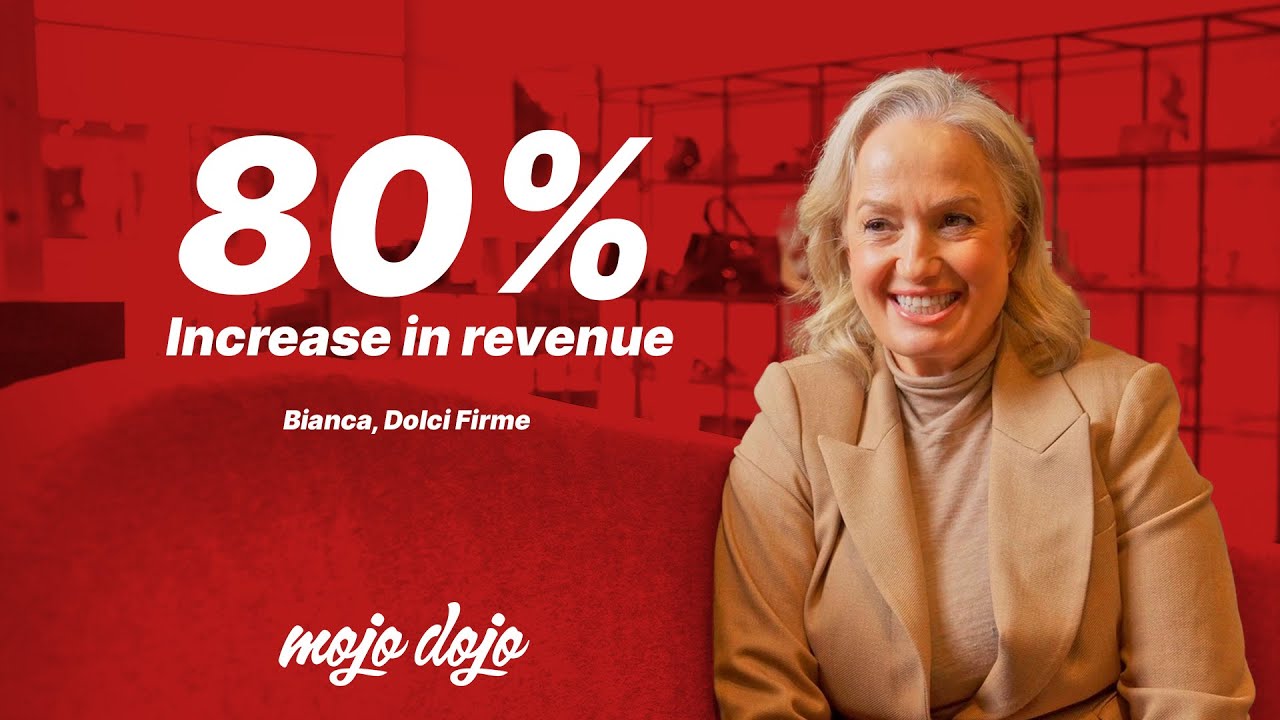
Real Mojo Dojo clients, on the record.
Trusted by 1,500+ brands across 81 industries


Design for a city of half a million small businesses.
There were 550,957 small businesses in Greater Melbourne at 30 June 2023. In a market that size, almost every service category has dozens of credible competitors a click away, and buyers compare them side by side. A website that looks dated, loads slowly on a phone or hides the price conversation loses that comparison before anyone reads the copy.
The audience is also unusually varied. At the 2021 Census, 37.7% of households used a language other than English at home, with Mandarin, Vietnamese, Greek, Punjabi and Arabic the most common. International education is Victoria's largest services export. The fastest online shopping growth is out in the growth corridors, where Point Cook ranked third in Australia for parcel volume in 2024. A single generic homepage cannot serve a Parkville researcher, a Werribee family and an overseas student equally well.
So we design for segments. Clear pathways for each audience, content structures that can carry translated pages, and templates for suburb or campus pages where they make sense. Professional firms usually build on WordPress; retailers choose between Shopify, BigCommerce, Magento and PrestaShop depending on catalogue size. Whatever the platform, search structure, speed and analytics are part of the build, not an add-on after launch.
Web design in Melbourne: market context.
Sourced figures on the size and make-up of the market your site competes in.
Industries we help in Melbourne.
Six sectors with distinct buyers, and what their websites have to get right.
Professional and technical services
The largest employer in the municipality. We build expertise-led sites for consultancies, engineers and law firms, with service pages, people profiles and insight hubs that support a referral.
Finance and insurance
The fastest-growing sector since 2019. Sites with disclosure areas, calculators and trust signals laid out so compliance teams can approve changes quickly.
Health and allied health
Accessible clinic and practice sites with booking flows, practitioner pages and service content patients can understand on a phone.
International education
Course finders, enquiry forms and multilingual content for providers recruiting students from overseas, with fast pages on slower international connections.
Hospitality and events
Venue and restaurant sites with menus, bookings and event pages ready for the Australian Open in January and Cup Carnival in November.
Manufacturing, food and logistics
Product catalogues, spec sheets and trade enquiry forms for B2B firms, with ecommerce where it makes sense.
Ready to stand out in the Melbourne market?
Tell us who your customers are and what the site needs to do. We will recommend a platform, scope and timeline that fit.
Websites that convert, not just look good.
Real figures from Mojo Dojo client case studies, where site structure, speed and conversion paths were part of the work.
Your website has seconds to earn the next click.
With so many competitors a search away, your website has seconds to show a visitor they are in the right place.
One homepage for very different visitors
Students, families, B2B buyers and speakers of other languages land on the same generic page and struggle to find what applies to them.
Clear routes for each audience
Audience pathways, in-language page structures and navigation designed around the segments you actually serve.
A clumsy mobile experience
Layouts built for desktop first break on the devices most people browse on.
Seamless on every device
Our designs ensure a seamless user experience across desktop and mobile devices, proven by responsive and browser testing before launch.
Every update needs a developer
Small content changes turn into tickets, delays and invoices.
An intuitive backend you control
Our intuitive backend management system makes it easy for you to make quick updates and changes as needed, and we train your team to use it.
A beautiful site nobody finds
Design without search architecture leaves you invisible where buyers are looking.
SEO built in from day one
Semantic structure, schema markup, page speed optimisation and analytics configured as standard on every build.
Invisible outside the inner city
A site that only speaks to the CBD can be nearly invisible to buyers in Werribee, Tarneit or Clyde North, where growth is fastest.
Pages for the suburbs you serve
Suburb and service-area templates built into the site, plus a structure that supports ecommerce delivery zones.
Platforms we design and build on.
We are platform-agnostic. A multilingual education provider, a boutique retailer and a law firm each get the CMS that suits their content, catalogue and team, not the one that is easiest for us.
WordPress. The world's most popular CMS, powering 43% of all websites. We have built over 1,500 WordPress sites since 2008, from small businesses to enterprise-scale platforms with complex custom post types and advanced SEO architecture.
Shopify. The ecommerce platform built for growth. We design conversion-optimised Shopify stores with custom theme development, app integrations, and SEO-first architecture that turns browsers into buyers from day one.
BigCommerce. A scalable SaaS ecommerce platform with built-in SEO tools, multi-channel selling, and enterprise-grade features. Ideal for rapidly growing stores that need power without the complexity of a self-hosted solution.
Magento. Enterprise-grade ecommerce for complex product catalogues, multi-store environments, and high-volume transactional requirements. Magento gives you total flexibility when your business has outgrown simpler platforms.
PrestaShop. A lightweight, open-source ecommerce platform with a global community since 2008. PrestaShop is well-suited for businesses that need a cost-effective, customisable storefront without the overhead of enterprise platforms.
Custom Development. Sometimes no off-the-shelf platform fits. Our development team builds fully bespoke web applications and headless CMS solutions for businesses with unique functional requirements that standard platforms cannot satisfy.
The methodology behind every build.
Our workflow runs in three phases: <a href="/au/branding-agency" data-entity-id="ada4e5d3-601e-4ec1-82a0-f74225ec0866" class="entity-link" data-target-slug="branding-agency" data-target-schema="service">branding</a> concept development and structural organisation, concept refinement, and construction. Wherever you are in your brand lifecycle, we scope the work and show you how the finished <a href="/au/website-design-development" data-entity-id="ae4e37eb-1959-4e8f-a980-23068a558503" class="entity-link" data-target-slug="website-design-development" data-target-schema="service">web development</a> project will look and read before development begins.
Brainstorming
You will meet with the development team to brainstorm and provide a brief of your online design requirements, vision and objectives. A feasibility study follows, with a project plan that gives you a better understanding of your target audience and the competitive landscape. Covers: understanding your target audience, choice of a custom CMS, the architecture design of your website, and finalisation of website feature requirements.
User Experience and User Interface
Mojo Dojo's designers create a fluid UX and UI experience with on-brand visualisations of your website in Adobe XD. Covers: incorporating your brand into the design, website layouts designed in Adobe XD, review of the layouts, and finalisation of navigation and design layout.
Custom Management System Development
The conversion from UX/UI design to a content management system takes the longest time in the project. The CMS is industry compliant, with support available from Mojo Dojo or the online community. Covers: custom development, calls to action, plugins, extensions and apps, SEO integration, and framework.
Testing Process
Before launching the final product, we perform thorough technical and user acceptance testing to ensure a high-quality, user-friendly website. Covers: responsive design testing, browser testing, functional requirements testing, and usability testing and improvements.
Training and Support
After launch, we run a website training session with your staff on navigating the content management system, in person or online. Ongoing support is available to enhance or edit the website on request. Covers: website backend training, in-person or online training, dedicated support, and phone or email support.
Website Maintenance
We highly recommend regular website maintenance to improve the security of your website. Regular updates add new features and functionality and reduce the risk of being hacked. Covers: updating the CMS and database to the latest version, updating plugins, extensions and apps, and regular backups of the website.
Get your free website design audit.
Submit your details and within 48 hours we will send a review of your website design, page speed, mobile experience and conversion bottlenecks. No calls, no obligations.
Five stages, one accountable team.
Every project goes through five main stages. We study your audiences and competitors, plan a structure around them and turn concepts into draft designs for your review. It is a discipline refined across 1,500+ projects in 81 verticals.
Brainstorm
We define your target audience, select the right CMS, map the information architecture, and identify the features and integrations your site needs to compete and convert.
UX/UI Design
We create high-fidelity wireframes in Adobe XD, incorporating your brand identity, navigation logic, and conversion-focused layouts. You review and approve before a single line of code is written.
CMS Development
Custom theme and plugin development, CTAs, SEO integration, schema markup, page speed optimisation, and framework configuration. Built to spec, not templated.
Testing
Responsive testing across devices, cross-browser compatibility, functional QA, form submission flows, page speed benchmarking, and usability review before any site goes live.
Training & Support
We train your team to manage the backend confidently. Ongoing support, maintenance packages, and performance optimisation ensure your site stays fast, secure, and competitive long after launch.
Areas we serve in Melbourne.
We work remotely with businesses across the whole metropolitan area, from the CBD, Docklands and Southbank to the inner north in Carlton, Fitzroy, Collingwood and Brunswick. Richmond, South Yarra, St Kilda and Hawthorn clients are served the same way, over video calls with a shared staging site.
In the east we build for firms in Balwyn, Box Hill, Mount Waverley, Glen Waverley and Ringwood, and in the south-east around Dandenong and Frankston. The west and north, including Footscray, Point Cook, Werribee, Tarneit and Epping, are where much of the new demand is, so we often add suburb pages for those areas.
Real results from real clients.
A selection of web design results from our national client portfolio, shown to illustrate the approach.


“Their team understood our business before we even had to explain it. Enquiries are up 250% and the quality is better than ever.”
The framework we use to build websites that sell.
Most websites are built by people who think about how they look. This one is about how they sell: the funnel, the proposition, and the landing page, in the order you should work on them.
Send me the Website Playbook →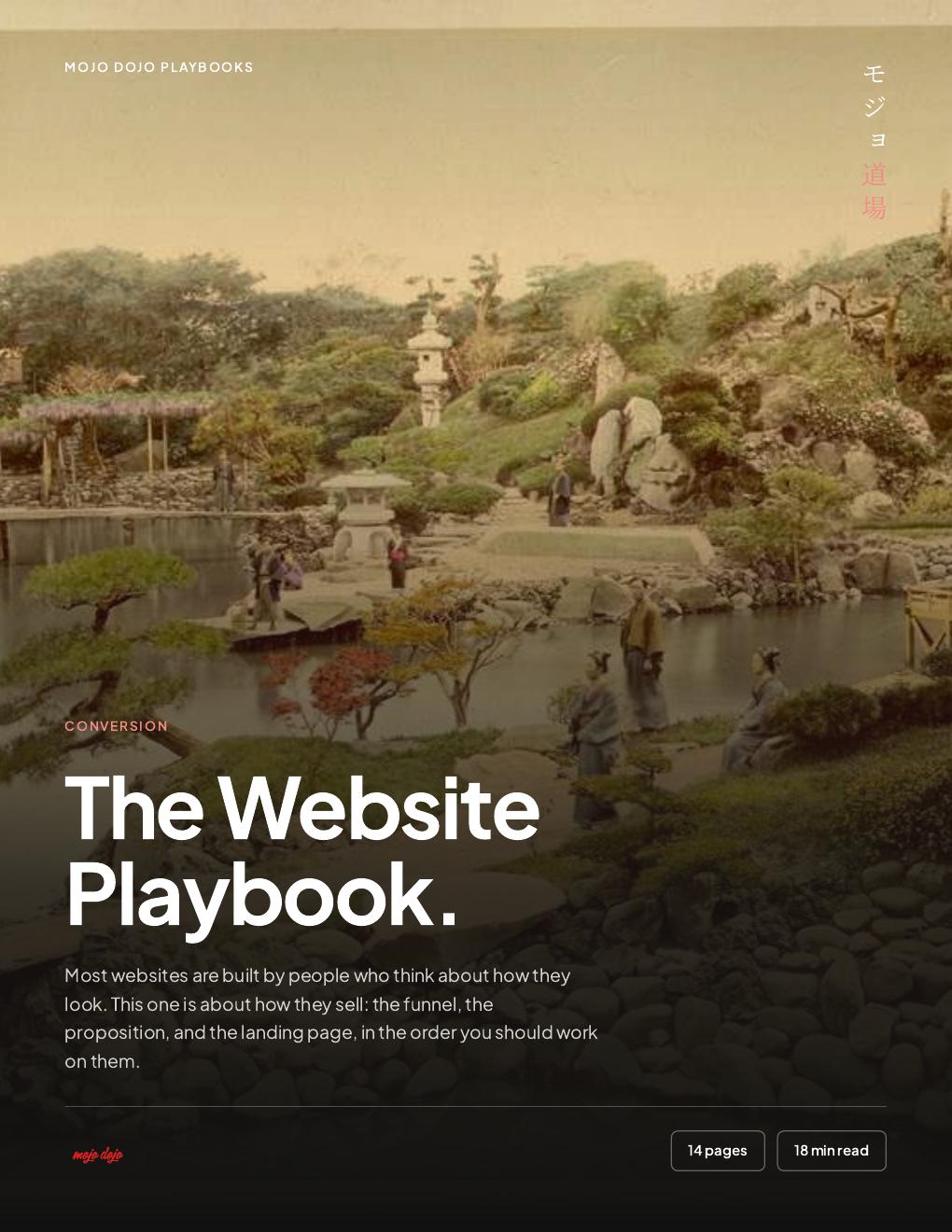
Free. 14 pages. In your inbox. Magic-link delivery, it arrives in about two minutes, and there's no sales call attached to reading it.
Do you work with Melbourne businesses?
Yes, and we run those projects remotely. Discovery, design reviews and CMS training happen over video calls, you follow the build on a shared staging site, and after launch you get shared reporting on speed, rankings and enquiries.
Can you build a multilingual website?
Yes. We set up language versions with proper hreflang tags, translated navigation and forms, and a CMS workflow that makes it clear which pages have been translated. More than a third of households here use a language other than English at home, so for many consumer brands this is worth planning from the start.
Do we need separate pages for the suburbs we serve?
If you serve a defined set of areas, usually yes. People often search by suburb or region rather than the city name, so a page for each service area, with genuine local detail rather than a swapped place name, helps both visitors and search engines understand where you work.
How long does a new website take to build?
Most projects land between 6 and 12 weeks from signed scope to live launch. Simple brochure sites on WordPress can be done in 4 weeks. Complex ecommerce builds with custom functionality or data migrations run 12 to 16 weeks. We set a realistic timeline at the start and hold to it with weekly progress updates.
Which platform is right for my business?
It depends on your goals. WordPress is the right choice for most content-heavy businesses, professional services firms, and brands that want maximum SEO flexibility. BigCommerce suits mid-market retailers that are scaling fast. Magento is for enterprise ecommerce with complex catalogue requirements. We give you an honest recommendation based on your specific situation, not on what is most profitable for us to build.
Do you include SEO in your web design projects?
Yes, always. Every site we build includes on-page SEO setup as standard: semantic HTML structure, schema markup, XML sitemap, Robots.txt, canonical tags, page speed optimisation, and Google Analytics 4 configuration. For clients wanting ongoing SEO campaigns post-launch, we offer integrated web design and SEO retainers that give you a single, coordinated team across both disciplines.
What happens after the website launches?
We include a 30-day post-launch support window on all projects. During that period we fix any bugs or inconsistencies at no charge. After that, clients can move onto a monthly maintenance retainer that covers updates, backups, security monitoring, and priority support. We also offer ongoing SEO retainers to help the site rank and convert over time.
What is the difference between web design and web development?
Web design is how your site looks, reads and flows: brand, layout, navigation and user experience, which we map in Adobe XD. Web development is the build: turning the approved design into a working CMS with custom functionality, integrations, SEO and speed optimisation. We deliver both as one project with one team, so nothing gets lost in the handover.
Will I be able to update the website myself?
Yes. Every site comes with an intuitive backend management system, and after launch we run a training session with your staff, in person or online, covering how to edit pages, add content and manage the CMS. Dedicated phone and email support is there if you get stuck.
Can you redesign or rebrand my existing website?
Yes. We handle CMS redesigns, redevelopments and rebranding projects. Depending on where you are in your branding lifecycle, we scope the work and show you what your brand will look like on completion before development starts, and we protect existing search rankings during the rebuild.
Will my new website work on mobile?
Yes. Every design is responsive and tested before launch across devices and browsers, alongside functional requirements testing and usability review, so visitors get a seamless experience on desktop, tablet and mobile.
Why choose Mojo Dojo for web design?
We have built 1,500+ websites since 2008 across 81 verticals, we are platform-agnostic so we recommend the CMS that fits your goals, and we build SEO and conversion tracking in from day one. Our clients stay with us: 94% client retention and a 4.7/5 average rating across 200+ reviews.
Get your free website design audit.
Submit your details and within 48 hours we will send a review of your website design, page speed, mobile experience and conversion bottlenecks. No calls, no obligations.