
Ecommerce SEO Services in Los Angeles
Los Angeles ecommerce SEO for fashion, beauty and lifestyle brands in one of the largest online retail markets in the world. LA's entertainment and media culture creates trends fast, and stores that already rank for the products people are searching for capture the demand first.
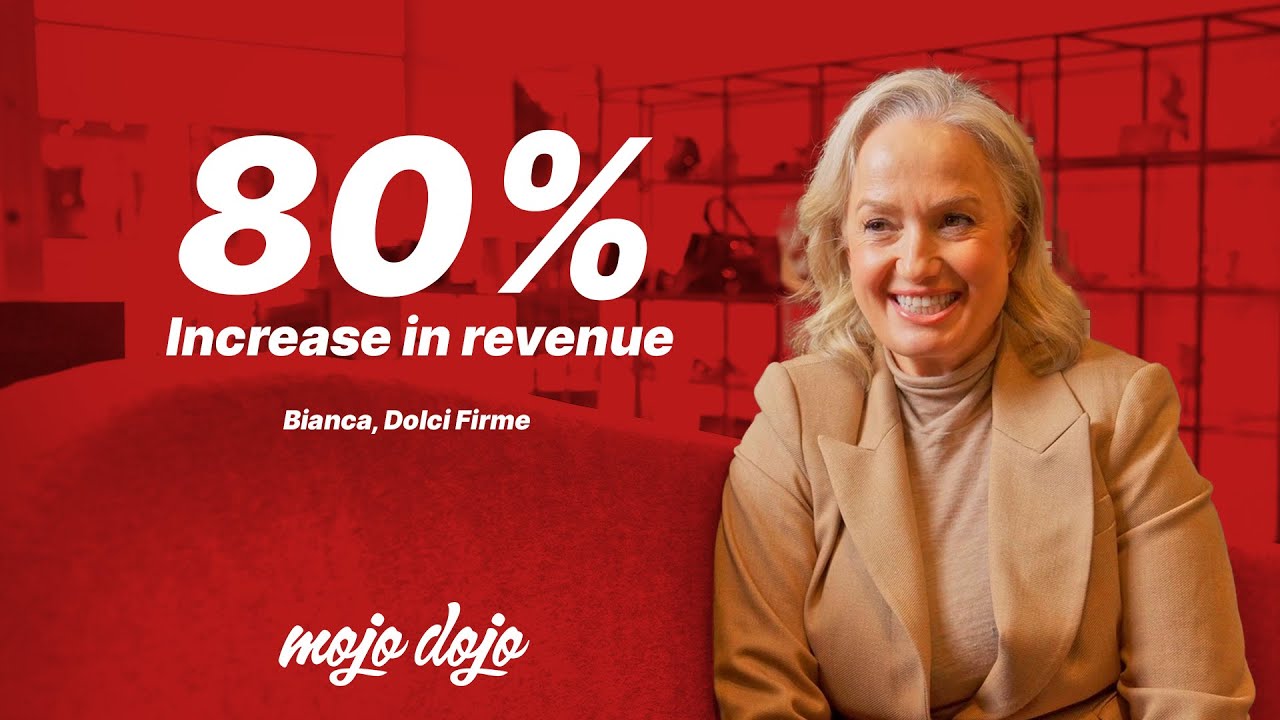
Real Mojo Dojo clients, on the record.
Where trends start and DTC brands scale.
A huge share of America’s imported goods arrives through two neighboring ports. The Port of Los Angeles alone handled 10,297,352 TEU in 2024, and LAEDC says the two ports together carry roughly 40% of the nation’s containerized waterborne cargo. Warehouses, 3PLs and fulfillment centers sit close by, which is one reason so many direct-to-consumer brands in fashion, beauty, home and wellness are built here and ship nationwide.
It also makes the market brutally competitive. The county had 1,128,124 nonemployer businesses in 2023 on top of about 305,000 employer establishments, and LAEDC estimates the cost of doing business runs about 20% above the national average. When margins are squeezed by rent and wages, paying for every click gets expensive fast, and organic search becomes the channel that decides which brands stay profitable.
Shoppers are diverse too. Spanish is spoken at home by 37.6% of county residents aged 5 and over, with sizable Chinese, Tagalog, Armenian and Korean speaking communities. And demand is seasonal: nationally, ecommerce hit 18.3% of unadjusted retail sales in the fourth quarter of 2025. Our ecommerce search engine optimization plans cover all of it: category structures that scale with a fast-moving catalog, product pages that answer real questions, bilingual content where demand exists, and holiday collections that are indexed long before Black Friday.
We report on organic revenue, transactions and conversion rate. For a primer, see our beginner guide to ecommerce SEO.
We also run this service nationally: see Ecommerce SEO USA. Operating in other cities? See New York, Chicago, Houston, Austin and Miami.
This service pairs well with Shopify SEO, SEO and Shopify Development in Los Angeles. For the full list, see our Los Angeles services.
Ecommerce SEO in Los Angeles: a crowded, high-cost market.
County figures from the Census Bureau and the Port, each with its source.
Industries we help in Los Angeles.
Where the region’s economy meets ecommerce, and the SEO work that fits each category.
Fashion and beauty brands
From the Fashion District to Silicon Beach, apparel and cosmetics labels compete on trend searches that move weekly. We keep collection URLs stable, handle color and size variants without duplicate content, and build editorial content that earns links.
Creator and entertainment merchandise
The region held 27% of US film and TV employment in 2023, and streaming, gaming and online content keep growing. Merch and creator stores need product pages that rank for fan searches, not just brand-name traffic.
Import-led DTC and home goods
With port and warehouse capacity on the doorstep, many home, kitchen and lifestyle brands import and ship nationwide. We structure large catalogs, clean up feeds and write copy that differs from the manufacturer descriptions every competitor reuses.
Wellness and biosciences products
Health care receipts reached about $113.5 billion in 2022, and biosciences is one of LAEDC’s named clusters. Supplement and med-tech stores need compliant claims, precise product schema and review markup.
Tourism and experience retail
Visitors generated $42.6 billion in business sales in 2025. Souvenir, tour and experience sellers can capture trip-planning searches with clear delivery and booking information on every product page.
Stop paying LA prices for every click
Book a strategy session and we will show which product and category searches your store could rank for organically, and how much ad spend that could replace.
What ecommerce SEO does for an online store.
Results from three online stores we have worked with, taken from our published case studies.
How ecommerce SEO is different from standard SEO.
A store has thousands of pages, a changing catalog and a checkout to protect. For a fast-growing Arts District brand, these six problems usually show up as the range expands.
Scale across thousands of URLs
Product, category, filter and pagination pages multiply fast. We decide which pages deserve to rank, which get consolidated and which stay out of the index.
Faceted navigation and duplicate content
Color, size and price filters can create endless near-duplicate URLs that waste crawl budget. We control them with canonicals, noindex rules and internal linking.
Buying intent, not just search volume
We target the keywords that lead to transactions, such as product, brand and comparison searches, and map each one to the page best placed to convert.
Products that come and go
Out of stock, discontinued and seasonal products need a plan so you keep the equity of the URL and never send a buyer to a dead end.
Product data Google can read
Product schema, review markup, price and availability, plus a clean merchant feed, make your listings eligible for rich results and free shopping placements.
Speed and checkout friction
A slow category page or a clumsy cart cancels out the traffic you earned. We treat page speed and checkout usability as part of SEO.
Get your free ecommerce SEO audit.
Send us your store URL and within 48 hours we will return an ecommerce SEO audit covering crawl waste, duplicate product content and category gaps, prioritized by revenue impact. No calls, no obligations.
What is included in our ecommerce SEO for LA stores.
Implementation is part of the work, so you are not left with a report and a developer invoice. Spanish-language pages and hreflang are added where search demand supports them.
Ecommerce keyword research. Revenue-weighted research across products, categories, brands and buying questions.
Technical SEO audit and fixes. Crawl, indexation, redirects, canonicals, sitemaps and Search Console issues.
Category page optimization. Titles, copy, internal links and layout for the pages that carry most of your revenue.
Product page optimization. Unique descriptions, metadata, images, variants and on-page trust signals.
Structured data. Product, offer, review, breadcrumb and FAQ schema implemented and validated.
Google Merchant Center and shopping feed. Feed clean-up and free listing eligibility, working alongside Google Shopping Ads where you run them.
Content that answers buying questions. Buying guides, comparisons and support content that capture shoppers earlier in the journey.
Internal linking architecture. Hierarchy and links that push authority to your highest margin categories.
Reviews and user generated content. Making customer reviews visible to shoppers and readable by search engines.
Off-page authority. Relevant, earned link building and digital PR for your store.
Site speed and mobile experience. Core Web Vitals, image weight and mobile checkout fixes.
Analytics and revenue reporting. Google Analytics and Tag Manager set up so we can report organic revenue, not just clicks.
Built around your platform and your catalog.
Every ecommerce platform has its own habits. Shopify generates collection and variant URL patterns that need canonical control. Magento and BigCommerce ship with layered navigation that can flood the index. WooCommerce sites depend heavily on plugin choices and hosting. If you run WooCommerce, see our dedicated WooCommerce SEO service.
We work inside your existing platform and with your developers, or handle the changes ourselves, including structured data, template changes, tag management and feed fixes. As search shifts toward AI answers, we also make sure your product and brand information is structured so assistants can cite it. Read more on AI SEO.
How our ecommerce SEO engagements work.
Five stages, each tied to revenue, delivered remotely with milestone reviews on video.
Market and revenue research
We study your customers, competitors and margins to find the categories and products worth winning first.
Full site audit
Technical, on-page and content review across templates, so we know exactly what is holding revenue back.
Strategy and roadmap
A prioritized plan ranked by likely revenue impact and effort, agreed with you before work starts.
Implementation
We ship the fixes, content and structured data, coordinating with your developers where needed.
Reporting and iteration
Monthly reporting on organic revenue, transactions and conversion rate, then we double down on what works.
Areas we serve in Los Angeles.
The county spans 88 cities, and we work remotely with online stores in all of them. Many fashion and lifestyle brands are in Downtown, Hollywood, West Hollywood, Silver Lake, Echo Park and Koreatown. On the Westside we support stores in Santa Monica, Venice, Culver City and Beverly Hills.
Further out, clients sell from Pasadena, Glendale and Burbank, from Sherman Oaks, Studio City, Van Nuys and Woodland Hills in the Valley, and from Long Beach, Torrance, Inglewood and El Segundo in the South Bay. To the east and north that includes Boyle Heights, Downey, Whittier, Pomona, Santa Clarita, Lancaster and Palmdale. Everything runs on video calls and shared reporting.
Selected results.
Featured campaigns from our wider client portfolio, shown to illustrate our approach. They are not results for businesses in this region.


“Their team understood our business before we even had to explain it. Enquiries are up 250% and the quality is better than ever.”
The exact framework we use to grow online stores.
Learn how we plan, ship and measure organic revenue growth for ecommerce, the same system behind 787% and 276% year-over-year revenue lifts.
Send me the Ecommerce Playbook →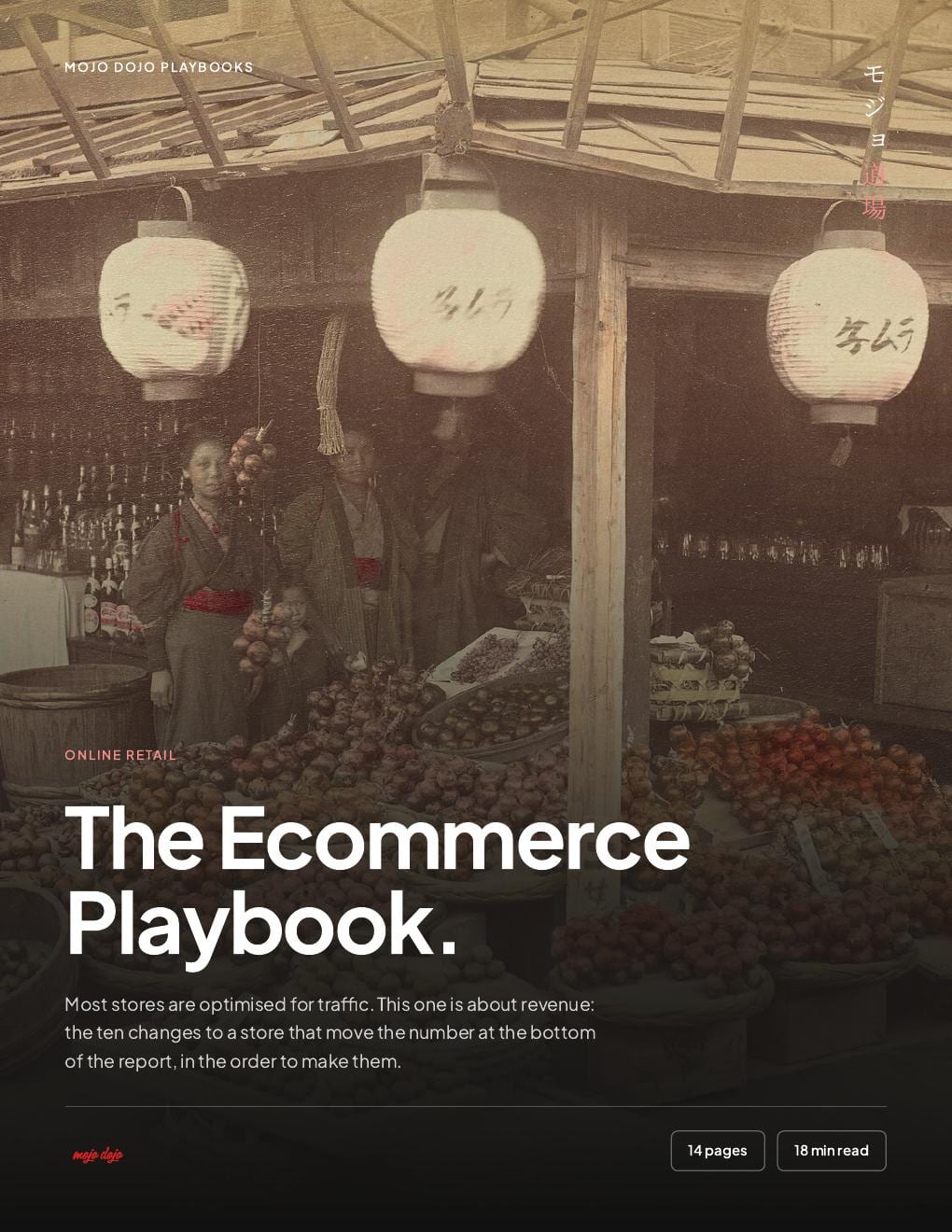
Free. 14 pages. In your inbox. Magic-link delivery, it arrives in about two minutes, and there's no sales call attached to reading it.
Ecommerce SEO questions, answered.
The questions we hear most, plus three from brands selling out of Southern California. Contact us →
Do you work with Los Angeles businesses?
Yes, remotely. We run strategy sessions and reviews over video calls and share reporting on fixes, rankings and organic revenue so you can check progress anytime. We have no premises or staff in California, and the work happens inside your store, Search Console and analytics.
What is ecommerce SEO?
Ecommerce SEO is optimizing an online store so its product, category and content pages rank in search and turn visitors into buyers. It combines technical SEO for large catalogs, on-page optimization, content, structured data and link building, measured by organic revenue rather than rankings alone.
How is ecommerce SEO different from regular SEO?
A store has far more pages, a catalog that changes daily, filters that create duplicate URLs and a checkout that has to convert without any human help. Regular SEO aims for enquiries. Ecommerce SEO aims for transactions, so page targeting, product data and user experience matter as much as rankings.
How important is SEO to my online store?
Organic search is one of the few channels where traffic keeps arriving without paying per click. Stores that rank for buying searches reduce their dependence on paid ads, improve margin, and stop rebuying the same customers every month.
What results can I expect?
It depends on your starting point, catalog and competition, so we do not promise a figure. For reference, Babylon Flowers grew revenue 787% year over year, Avenel Hats grew revenue 276% year over year, and Cosmetic Tattoo Supplies Australia grew revenue 114% over a 5 month campaign. Each is published in our case studies.
How long does ecommerce SEO take to work?
Technical fixes can affect crawling and indexing within weeks. Ranking and revenue gains usually build over several months, and they compound. Camino Kids lifted its organic conversion rate 143% across a 6 month campaign, and Cosmetic Tattoo Supplies Australia saw revenue up 114% in 5 months.
Who is a good fit for ecommerce SEO?
Stores with a catalog of real demand in search, a functioning checkout and the appetite to invest for several months. It suits established stores looking to reduce ad dependence and new stores launching product lines that need organic visibility from the start.
Which ecommerce platform is best for SEO?
Any major platform can rank well when configured properly. Shopify, WooCommerce, Magento and BigCommerce each have different strengths and pitfalls around URLs, faceted navigation, speed and structured data. We audit what you have before recommending a change, and we rarely advise migrating for SEO reasons alone.
How do you handle out-of-stock and discontinued products?
It depends on the product. Temporarily out of stock items usually stay live with clear availability markup and related alternatives. Permanently discontinued items are redirected to the closest relevant product or category so the page authority is kept and shoppers never hit a dead end.
Do product reviews help ecommerce SEO?
Yes. Reviews add fresh, unique content to product pages, build trust that lifts conversion, and with review schema can make your listings eligible for rich results. We help you collect them, display them and mark them up correctly.
How do you measure ecommerce SEO success?
By organic revenue, transactions, conversion rate and average order value from organic traffic, tracked in Google Analytics and reviewed with you each month. Rankings and traffic still matter, but they are treated as leading indicators, not the goal.
Why choose Mojo Dojo for ecommerce SEO?
We handle SEO, content, conversion optimization and paid channels together, so organic gains are not undone by a weak product page or checkout. Our case studies show the outcomes for real online stores, and implementation is included rather than handed back to you as a to-do list.
Should my store have English and Spanish versions?
Often, if you can serve Spanish-speaking customers well. About 37.6% of county residents speak Spanish at home. We check Spanish search demand for your products, then build translated category and product pages with correct hreflang, rather than relying on automatic translation.
How do I stop manufacturer descriptions hurting my rankings?
Rewrite the products that matter most. When dozens of stores use the same supplier copy, Google has little reason to rank yours. We prioritize high-margin and high-demand products, write unique descriptions with real detail, and add reviews, FAQs and original images to set your pages apart.
Get your free ecommerce SEO audit.
Send us your store URL and within 48 hours we will return an ecommerce SEO audit covering crawl waste, duplicate product content and category gaps, prioritized by revenue impact. No calls, no obligations.