
Ecommerce SEO Agency
Ecommerce SEO that grows organic revenue, not just traffic. Our clients have grown revenue by 787% (Babylon Flowers) and 276% (Avenel Hats) year over year — and we grew a hospitality ecommerce business by $2.8 million in seven months.
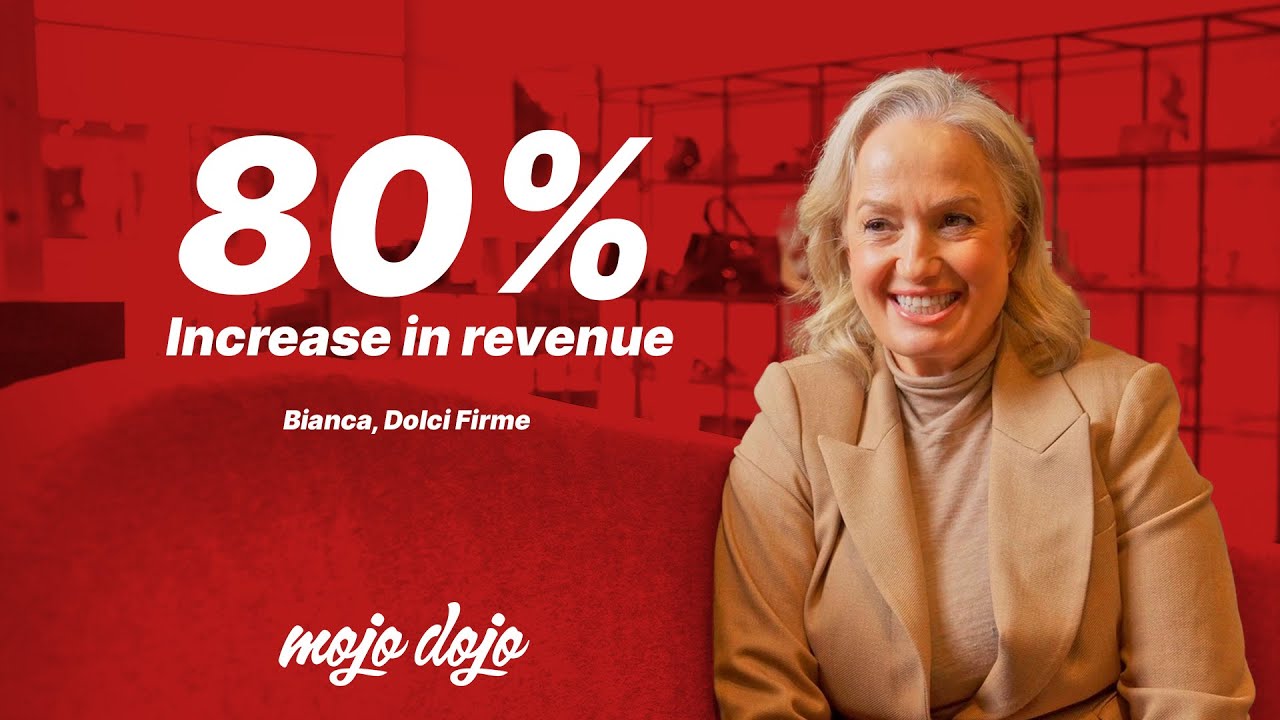
Real Mojo Dojo clients, on the record.
What ecommerce SEO actually solves.
Ecommerce SEO is the work of getting your product, category and content pages to rank in search so shoppers find your store without you paying for every click. It covers the technical health of a large catalogue, the on-page copy and structure of every product and collection page, the content that answers buying questions, and the authority signals that tell Google your store deserves to rank.
Scale. Product, filter and pagination pages multiply fast — we decide which deserve to rank, which get consolidated, which stay out of the index.
Faceted navigation. Colour, size and price filters spawn near-duplicate URLs — we control them with canonicals, noindex rules and internal linking.
Buying intent. We target the queries that lead to transactions and map each to the page best placed to convert.
Product lifecycle. Out-of-stock, discontinued and seasonal products get a plan so URL equity is kept and shoppers never hit a dead end.
Product data. Product, offer and review schema plus a clean merchant feed make your listings eligible for rich results and free shopping placements.
Speed & checkout. A slow category page or clumsy cart cancels out the traffic you earned — we treat page speed and checkout usability as part of SEO.
Judged on revenue, not rankings.
Ecommerce SEO is different from lead generation SEO because nobody calls you. A shopper lands on a page, compares it to three competitors, and either checks out or leaves. That means every decision we make is judged on one thing: does it put the right product in front of a buyer and make it easy to complete the purchase.
Most agencies report rankings and traffic. We report organic revenue, transactions and conversion rate, because those are the numbers your store is actually measured on. If you want the fundamentals first, start with our beginner guide to ecommerce SEO.
Every ecommerce platform has its own habits. Shopify generates collection and variant URL patterns that need canonical control. Magento and BigCommerce ship with layered navigation that can flood the index. WooCommerce sites depend heavily on plugin choices and hosting. We work inside your existing platform and with your developers, or handle the changes ourselves.
Online shopping in Singapore, and what SEO does for it.
Market figures from the Singapore Department of Statistics retail sales data for late 2025, and DataReportal’s Digital 2026 report. Retail sales reached $4.8 billion in December 2025.
What is included in our ecommerce SEO service.
Implementation is part of the work, so you are not left with a report and a developer invoice.
Ecommerce keyword research
Revenue-weighted research across products, categories, brands and buying questions.
Technical SEO audit & fixes
Crawl, indexation, redirects, canonicals, sitemaps and Search Console issues.
Category page optimisation
Titles, copy, internal links and layout for the pages that carry most of your revenue.
Product page optimisation
Unique descriptions, metadata, images, variants and on-page trust signals.
Schema & product markup
Product, offer, review, breadcrumb and FAQ schema implemented and validated.
Merchant Center & shopping feed
Feed clean-up and free listing eligibility, working alongside Google Shopping Ads where you run them.
Buying-question content
Buying guides, comparisons and support content that capture shoppers earlier in the journey.
Internal linking architecture
Hierarchy and links that push authority to your highest-margin categories.
Reviews & user content
Making customer reviews visible to shoppers and readable by search engines.
Off-page authority
Relevant, earned link building and digital PR for your store.
Site speed & mobile
Core Web Vitals, image weight and mobile checkout fixes, with revenue reporting in GA4.
Get a free store audit
A free 48-hour audit of your store's biggest organic revenue bottleneck — no calls, no obligations.
Built around your platform and your catalogue.
Every ecommerce platform has its own habits. Shopify generates collection and variant URL patterns that need canonical control. Magento and BigCommerce ship with layered navigation that can flood the index. WooCommerce sites depend heavily on plugin choices and hosting. We work inside your existing platform and with your developers, or handle the changes ourselves — including structured data, template changes, tag management and feed fixes.
Ecommerce SEO in the age of AI search
As search shifts toward AI answers, we also make sure your product and brand information is structured so assistants can cite it. Being recommended in an AI answer depends on the same foundations as ranking: crawlable pages, clear product and offer data, credible reviews and content that answers real buying questions directly. We build this into every ecommerce programme as standard.
A store fails in different ways from a lead-gen site.
A store has thousands of pages, a changing catalogue and a checkout to protect. These are the problems we solve that a generic SEO plan does not.
Thousands of URLs
Product, category, filter and pagination pages multiply fast. We decide which pages deserve to rank, which get consolidated and which stay out of the index.
Faceted navigation
Colour, size and price filters can create endless near-duplicate URLs that waste crawl budget. We control them with canonicals, noindex rules and internal linking.
Buying intent, not volume
We target the keywords that lead to transactions — product, brand and comparison searches — and map each one to the page best placed to convert.
Products that come and go
Out of stock, discontinued and seasonal products need a plan so you keep the equity of the URL and never send a buyer to a dead end.
Product data Google can read
Product schema, review markup, price and availability, plus a clean merchant feed, make your listings eligible for rich results and free shopping placements.
See what's costing you sales
A slow category page or clumsy cart cancels out the traffic you earned. Get a free 48-hour audit.
How our ecommerce SEO process works.
Five stages, each tied to revenue.
Market & revenue research
We study your customers, competitors and margins to find the categories and products worth winning first.
Full site audit
Technical, on-page and content review across templates, so we know exactly what is holding revenue back.
Strategy & roadmap
A prioritised plan ranked by likely revenue impact and effort, agreed with you before work starts.
Implementation
We ship the fixes, content and structured data, coordinating with your developers where needed.
Reporting & iteration
Monthly reporting on organic revenue, transactions and conversion rate, then we double down on what works.
Ecommerce SEO results.
Real results from online stores and multi-channel programmes we have delivered.

Babylon Flowers
787% increase in revenue

Melbourne HIFI
178% increase in online revenue

Swan Bathrooms
181% increase in organic sessions

ABC Tarps
1,534% increase in revenue

The Three Seas Group
1100% increase in search volume

Avenel Hats
276% increase in revenue
“Their team understood our business before we even had to explain it. Enquiries are up 250% and the quality is better than ever.”
The exact framework we use to grow online stores.
Learn how we plan, ship and measure organic revenue growth for ecommerce — the same system behind 787% and 276% year-over-year revenue lifts.
Send me the Ecommerce Playbook →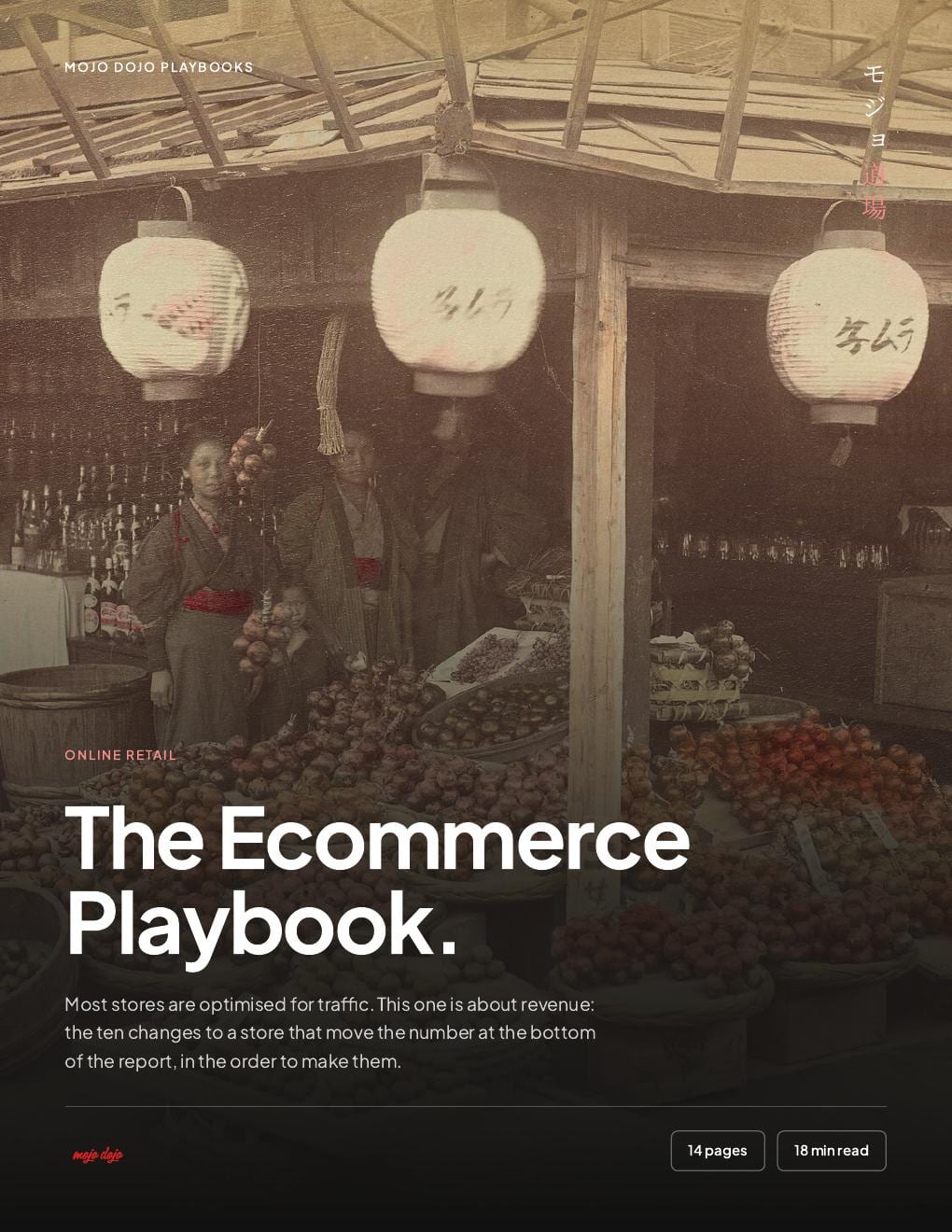
Free. 14 pages. In your inbox. Magic-link delivery — it arrives in about two minutes, and there's no sales call attached to reading it.
What is ecommerce SEO?
Ecommerce SEO is optimising an online store so its product, category and content pages rank in search and turn visitors into buyers. It combines technical SEO for large catalogues, on-page optimisation, content, structured data and link building, measured by organic revenue rather than rankings alone.
How is ecommerce SEO different from regular SEO?
A store has far more pages, a catalogue that changes daily, filters that create duplicate URLs and a checkout that has to convert without any human help. Regular SEO aims for enquiries. Ecommerce SEO aims for transactions, so page targeting, product data and user experience matter as much as rankings.
How important is SEO to my online store?
Organic search is one of the few channels where traffic keeps arriving without paying per click. With 14.8% of Singapore retail sales made online in December 2025, according to the Singapore Department of Statistics, the shoppers are already there. Stores that rank for buying searches reduce their dependence on paid ads, improve margin, and stop rebuying the same customers every month.
What results can I expect?
It depends on your starting point, catalogue and competition, so we do not promise a figure. For reference, Babylon Flowers grew revenue 787% year over year, Avenel Hats grew revenue 276% year over year, and Cosmetic Tattoo Supplies Australia grew revenue 114% over a 5 month campaign. Each is published in our case studies.
How long does ecommerce SEO take to work?
Technical fixes can affect crawling and indexing within weeks. Ranking and revenue gains usually build over several months, and they compound. Camino Kids lifted its organic conversion rate 143% across a 6 month campaign, and Cosmetic Tattoo Supplies Australia saw revenue up 114% in 5 months.
Who is a good fit for ecommerce SEO?
Stores with a catalogue of real demand in search, a functioning checkout and the appetite to invest for several months. It suits established stores looking to reduce ad dependence and new stores launching product lines that need organic visibility from the start.
Which ecommerce platform is best for SEO?
Any major platform can rank well when configured properly. Shopify, WooCommerce, Magento and BigCommerce each have different strengths and pitfalls around URLs, faceted navigation, speed and structured data. We audit what you have before recommending a change, and we rarely advise migrating for SEO reasons alone.
How do you handle out-of-stock and discontinued products?
It depends on the product. Temporarily out of stock items usually stay live with clear availability markup and related alternatives. Permanently discontinued items are redirected to the closest relevant product or category so the page authority is kept and shoppers never hit a dead end.
Do product reviews help ecommerce SEO?
Yes. Reviews add fresh, unique content to product pages, build trust that lifts conversion, and with review schema can make your listings eligible for rich results. We help you collect them, display them and mark them up correctly.
How do you measure ecommerce SEO success?
By organic revenue, transactions, conversion rate and average order value from organic traffic, tracked in Google Analytics and reviewed with you each month. Rankings and traffic still matter, but they are treated as leading indicators, not the goal.
Why choose Mojo Dojo for ecommerce SEO?
We handle SEO, content, conversion optimisation and paid channels together, so organic gains are not undone by a weak product page or checkout. Our case studies show the outcomes for real online stores, and implementation is included rather than handed back to you as a to-do list.
Find out what your store is leaving on the table.
Book a strategy session and we'll show you where your biggest organic revenue opportunities are. No calls you don't want, no obligations.
More SEO services.
Specialist pages for your business model, your platform, and the deliverables inside a retainer.