

Google says Performance Max may filter out brand searches
Google has added a paragraph to its Google Ads help page on how Performance Max interacts with other campaigns, stating that Performance Max campaigns "may also filter out navigational or brand-specific search queries to prioritize serving them through dedicated Search campaigns."
The addition was spotted and reported on 2 November; a June 2026 archived copy of the page does not contain it, so Google has not said exactly when it was added.
For an Australian business running Performance Max alongside a brand Search campaign, the effect is direct. Google does not spell out what happens when the brand campaign is capped or has no eligible ads, but its advice implies Performance Max may not pick those searches up. Brand traffic that was assumed to be covered one way or the other may get no ad from you at all.
Brand filtering extends the Search campaign exception
Most of the help page is about overlap. Performance Max can serve across Google Shopping, Google Images, YouTube and the rest of Google's inventory, so it can collide with existing campaigns that share the same conversion goals, bidding targets and other settings.
Google's general rule for that collision is Ad Rank. When two campaigns in one account could serve the same impression, the one with the higher Ad Rank wins, which Google says helps stop campaigns in the same account bidding against each other and driving up bids. The same rule applies between Performance Max and Demand Gen.
Search campaigns are the exception, and that is the section the new text joins. The page already said a Search campaign with a keyword that exactly matches the query, or is a spelling correction of it, is preferred over Performance Max. Google's example is the search "plumbrs": an account holding the exact match keyword [plumbers] and the broad match keyword plumbrs will serve the exact match. If no keyword in any match type exactly matches the query, Ad Rank decides again.
The new paragraph goes beyond the keyword rule. It says Performance Max may filter brand and navigational queries out on its own side so that campaigns with "more precise control" handle them. Google has not said how it decides which queries count as brand-specific, whether the filter applies to every account, or what happens to a brand query that no keyword in the brand campaign matches.
A capped brand budget may leave searches unserved
Google's advice in the same paragraph is to give the dedicated brand Search campaign "sufficient budget and high-quality, eligible ads." Read from the other direction, that means a brand campaign that is limited by budget, or whose ads are disapproved or paused, has no promise that Performance Max will step in and catch the brand searches it would have served before.
It is common to see the brand campaign sitting on a small fixed daily budget on the theory that brand clicks are cheap and anything it misses will flow to Performance Max anyway. Under the updated wording that assumption is weaker than it was.
For retailers whose brand searches rise in the lead-up to Black Friday, a budget set in a quieter month can run out early in the day. Google's own clarification on Smart Bidding myths before Black Friday applies here: changing the budget on a steady campaign does not reset Smart Bidding, so lifting a brand cap now carries less risk than many advertisers fear.
Search Themes reopen the brand auction
The other half of Google's advice is to "consider adding Search Themes to the Performance Max campaign" if you want it to capture that traffic. Search Themes are the signals an advertiser adds to a Performance Max asset group to point it towards particular searches.
Weigh that before doing it. Adding the brand name as a Search Theme invites Performance Max back into the brand auction, which is the opposite of what most advertisers wanted when they built a separate brand campaign. For a business that wants brand traffic reported cleanly and bid on separately, fixing the brand campaign is the better repair. Search Themes make more sense where there is no brand campaign at all, or where Performance Max is the only campaign in the account.
This follows last month's change that turned Performance Max sourced videos on by default, another setting that may already be active in existing campaigns without anyone having chosen it.
Cheap Performance Max conversions may include brand customers
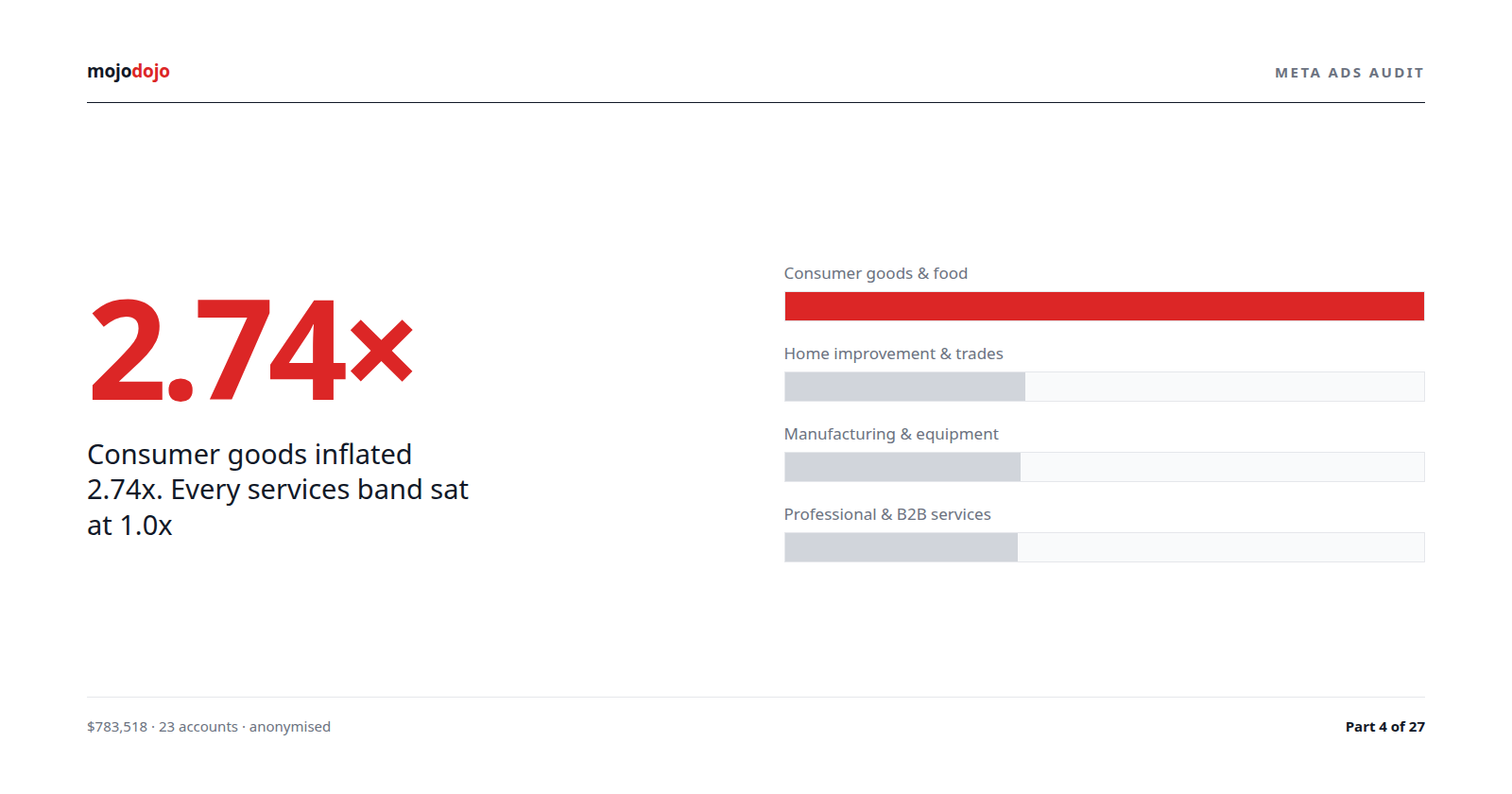
One habit this change should end is treating cheap Performance Max conversions as proof the campaign works. If some of those conversions came from brand searches, the campaign was taking credit for customers who already knew the business. Our figures from one account's lifetime on Performance Max cost per lead showed it beating Search ($114 against $126), with opacity as the standing objection. Knowing how much brand traffic sits inside that number is part of the opacity problem.
If the filtering is new or newly widened, a Performance Max campaign that looks dearer this month may be reporting its non-brand performance more honestly. Compare its search term insights over recent months before cutting its budget.
Check the brand campaign's budget and ads before Black Friday
Run these checks on the brand campaign:
- Check Search lost impression share (budget) for the last 30 days. Anything above a few per cent means the cap is binding and brand searches are going unserved at some hours of the day.
- Confirm every ad group has at least one approved responsive search ad and nothing is sitting in policy review or disapproved. Google's advice names "eligible ads", so a brand campaign with nothing eligible to show is no brand campaign at all.
- Make sure the brand keywords cover the spellings and variants customers type. The exact match rule on the page only helps when a keyword matches the query or its spelling correction.
- Pull the Performance Max campaign's search term insights for brand terms over the past few weeks and note the share. That is the traffic most likely to move.
- Decide on Search Themes on purpose. Add brand themes only if you want Performance Max competing for brand searches.
- Note the date in reporting. If brand conversions shift from Performance Max to Search, it will read as a Performance Max slump and a Search surge unless someone notes why.
If the brand campaign passes those checks, nothing needs to change today. If it fails on budget or eligibility, fix that first, then re-read the Performance Max numbers a fortnight later with brand traffic accounted for.