
Ecommerce SEO Services in Manchester
Manchester ecommerce SEO for ambitious Northern retailers ready to outrank national brands. The Northern Powerhouse has produced a wave of media, music and tech-led online stores, and organic search is where Manchester businesses can compete nationally without national-sized ad budgets.
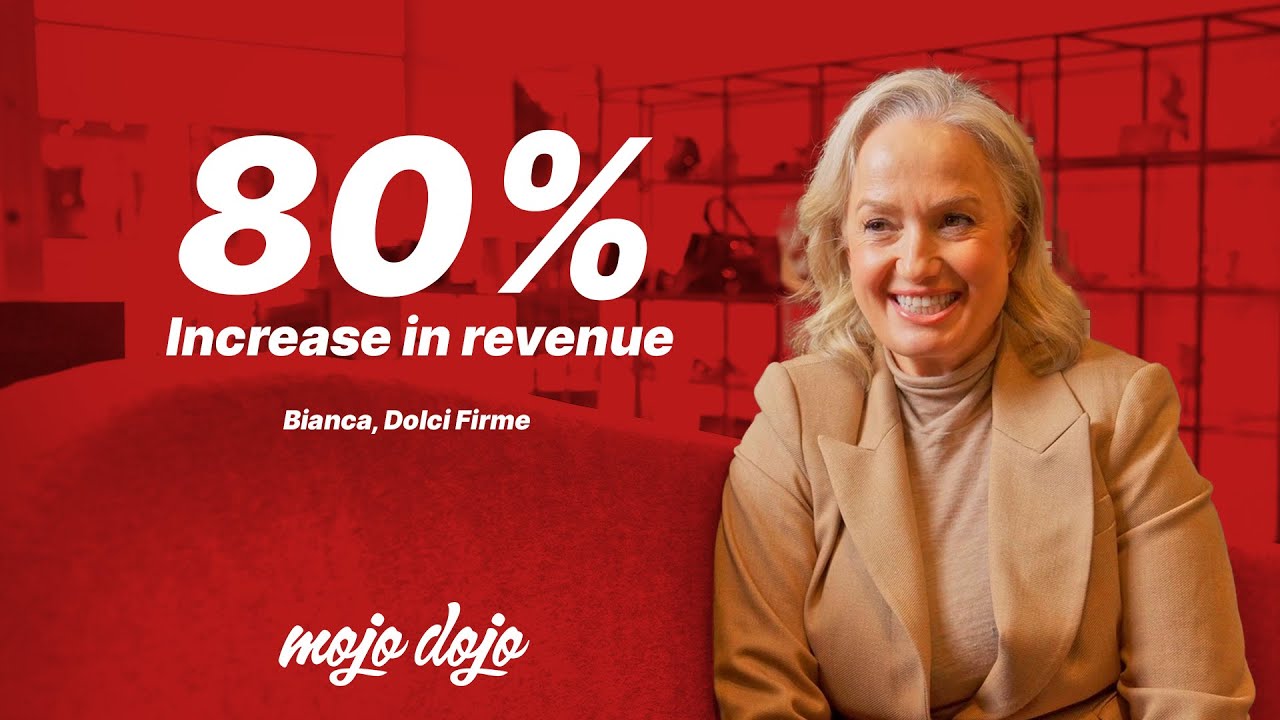
Real Mojo Dojo clients, on the record.
A fast-growing city region with a price-conscious shopper.
Few UK economies have grown as quickly. Between 2015 and 2023 the ten boroughs grew 3.1% a year, the fastest of any ITL2 sub-region, and provisional 2023 data put gross value added above £100 billion for the first time. GMCA lists e-commerce among the strengths of a £5 billion tech ecosystem, and 40,892 new companies were formed in 2024 alone. For an online store, that means a steady stream of new competitors, many of them small and nimble.
Nationally, internet sales reached 27.5% of UK retail in 2025, so the channel is mature and shoppers know what a good product page looks like. Here they are also careful with money: household income available for spending or saving sits £3,700 below the UK average. Stores win by making value obvious, with clear delivery costs, honest reviews and comparison content, rather than by shouting about discounts.
The area behaves like several markets. Most output is concentrated in the southern boroughs of Manchester, Salford, Trafford and Stockport, the northern towns have different incomes and habits, and over 100,000 students arrive each September. Our approach to organic search for stores here is to rank product and category pages nationally, then make sure delivery, click-and-collect and returns information works for every part of that audience.
We report on organic revenue, transactions and conversion rate. For an introduction, see our beginner guide to ecommerce SEO.
This page covers Manchester; for the national picture see Ecommerce SEO UK. We also provide ecommerce SEO in London. This service pairs well with Shopify SEO, SEO and Shopify Development in Manchester. Explore the full range of Manchester services.
Ecommerce SEO in Manchester: a growing, competitive market.
Population, company and student figures for the ten boroughs, each with its source.
Industries we help in Manchester.
Six sectors with strong online sellers in the city region, and what ecommerce SEO does for each.
Fashion and youth retail
A young population, a huge student intake and festivals such as Parklife make fashion one of the busiest online categories. We rank collection pages for style and trend searches and keep drop and restock pages from cannibalising each other.
Pure-play ecommerce brands
GMCA names e-commerce as a strength of the local tech ecosystem. For fast-scaling online brands we audit templates, faceted navigation and site speed so growth in range does not create crawl waste.
Gifts and seasonal retail
The Christmas Markets run to over 210 stalls across ten city-centre locations. Gift, food and homeware stores can capture the same November and December demand online with well-linked seasonal collections.
Manufacturers selling direct
Manufacturing employs about 110,000 people across the ten boroughs. Makers adding a direct or trade channel need product data, specifications and category pages that engineers and buyers can search.
Health and medtech supplies
The Oxford Road Corridor and The Christie anchor a large health cluster. Stores selling clinical, wellbeing or mobility products need compliant category copy and precise product schema.
Low-carbon home products
More than 3,000 low-carbon firms operate in the city region. Retailers of insulation, heat pumps, solar kits and retrofit supplies benefit from buying guides and comparison pages that answer detailed pre-purchase questions.
Grow your Manchester store beyond the North West
Book a strategy session and we will show the national product searches your store could rank for, and which technical fixes would unlock them.
What ecommerce SEO does for an online store.
Results from three online stores we have worked with, taken from our published case studies.
How ecommerce SEO is different from standard SEO.
A store has thousands of pages, a changing catalogue and a checkout to protect. For a fast-growing Northern Quarter brand, these six issues tend to surface all at once.
Scale across thousands of URLs
Product, category, filter and pagination pages multiply fast. We decide which pages deserve to rank, which get consolidated and which stay out of the index.
Faceted navigation and duplicate content
Colour, size and price filters can create endless near-duplicate URLs that waste crawl budget. We control them with canonicals, noindex rules and internal linking.
Buying intent, not just search volume
We target the keywords that lead to transactions, such as product, brand and comparison searches, and map each one to the page best placed to convert.
Products that come and go
Out of stock, discontinued and seasonal products need a plan so you keep the equity of the URL and never send a buyer to a dead end.
Product data Google can read
Product schema, review markup, price and availability, plus a clean merchant feed, make your listings eligible for rich results and free shopping placements.
Speed and checkout friction
A slow category page or a clumsy cart cancels out the traffic you earned. We treat page speed and checkout usability as part of SEO.
Get a free ecommerce SEO audit.
Send us your store URL and within 48 hours we will return an ecommerce SEO audit covering crawl waste, category gaps and product page issues, with the biggest revenue opportunities listed first. No calls, no obligations.
What is included for Manchester online stores.
Implementation is part of the work, so you are not left with a report and a developer invoice. We plan around the September student intake and the Christmas peak.
Ecommerce keyword research. Revenue-weighted research across products, categories, brands and buying questions.
Technical SEO audit and fixes. Crawl, indexation, redirects, canonicals, sitemaps and Search Console issues.
Category page optimisation. Titles, copy, internal links and layout for the pages that carry most of your revenue.
Product page optimisation. Unique descriptions, metadata, images, variants and on-page trust signals.
Structured data. Product, offer, review, breadcrumb and FAQ schema implemented and validated.
Google Merchant Center and shopping feed. Feed clean-up and free listing eligibility, working alongside Google Shopping Ads where you run them.
Content that answers buying questions. Buying guides, comparisons and support content that capture shoppers earlier in the journey.
Internal linking architecture. Hierarchy and links that push authority to your highest margin categories.
Reviews and user generated content. Making customer reviews visible to shoppers and readable by search engines.
Off-page authority. Relevant, earned link building and digital PR for your store.
Site speed and mobile experience. Core Web Vitals, image weight and mobile checkout fixes.
Analytics and revenue reporting. Google Analytics and Tag Manager set up so we can report organic revenue, not just clicks.
Built around your platform and your catalogue.
Every ecommerce platform has its own habits. Shopify generates collection and variant URL patterns that need canonical control. Magento and BigCommerce ship with layered navigation that can flood the index. WooCommerce sites depend heavily on plugin choices and hosting. If you run WooCommerce, see our dedicated WooCommerce SEO service.
We work inside your existing platform and with your developers, or handle the changes ourselves, including structured data, template changes, tag management and feed fixes. As search shifts toward AI answers, we also make sure your product and brand information is structured so assistants can cite it. Read more on AI SEO.
The five stages of our ecommerce SEO work.
Each one is tied to revenue and reviewed with you over video.
Market and revenue research
We study your customers, competitors and margins to find the categories and products worth winning first.
Full site audit
Technical, on-page and content review across templates, so we know exactly what is holding revenue back.
Strategy and roadmap
A prioritised plan ranked by likely revenue impact and effort, agreed with you before work starts.
Implementation
We ship the fixes, content and structured data, coordinating with your developers where needed.
Reporting and iteration
Monthly reporting on organic revenue, transactions and conversion rate, then we double down on what works.
Areas we serve in Manchester.
We work remotely with online retailers across all ten boroughs. Around the city centre that includes Ancoats, Chorlton and Didsbury, with Salford and Eccles to the west and Trafford, Stretford, Sale and Altrincham to the south-west.
To the south we support stores in Stockport, Cheadle and Wythenshawe. In the north and east that covers Bolton, Bury, Prestwich, Oldham, Rochdale, Wigan, Tameside and Ashton-under-Lyne. Planning happens on video calls and reporting is shared online.
Selected results.
Featured work from across our client portfolio, included to show our approach. These are not results from this city region.



“Their team understood our business before we even had to explain it. Enquiries are up 250% and the quality is better than ever.”
The exact framework we use to grow online stores.
Learn how we plan, ship and measure organic revenue growth for ecommerce, the same system behind 787% and 276% year-over-year revenue lifts.
Send me the Ecommerce Playbook →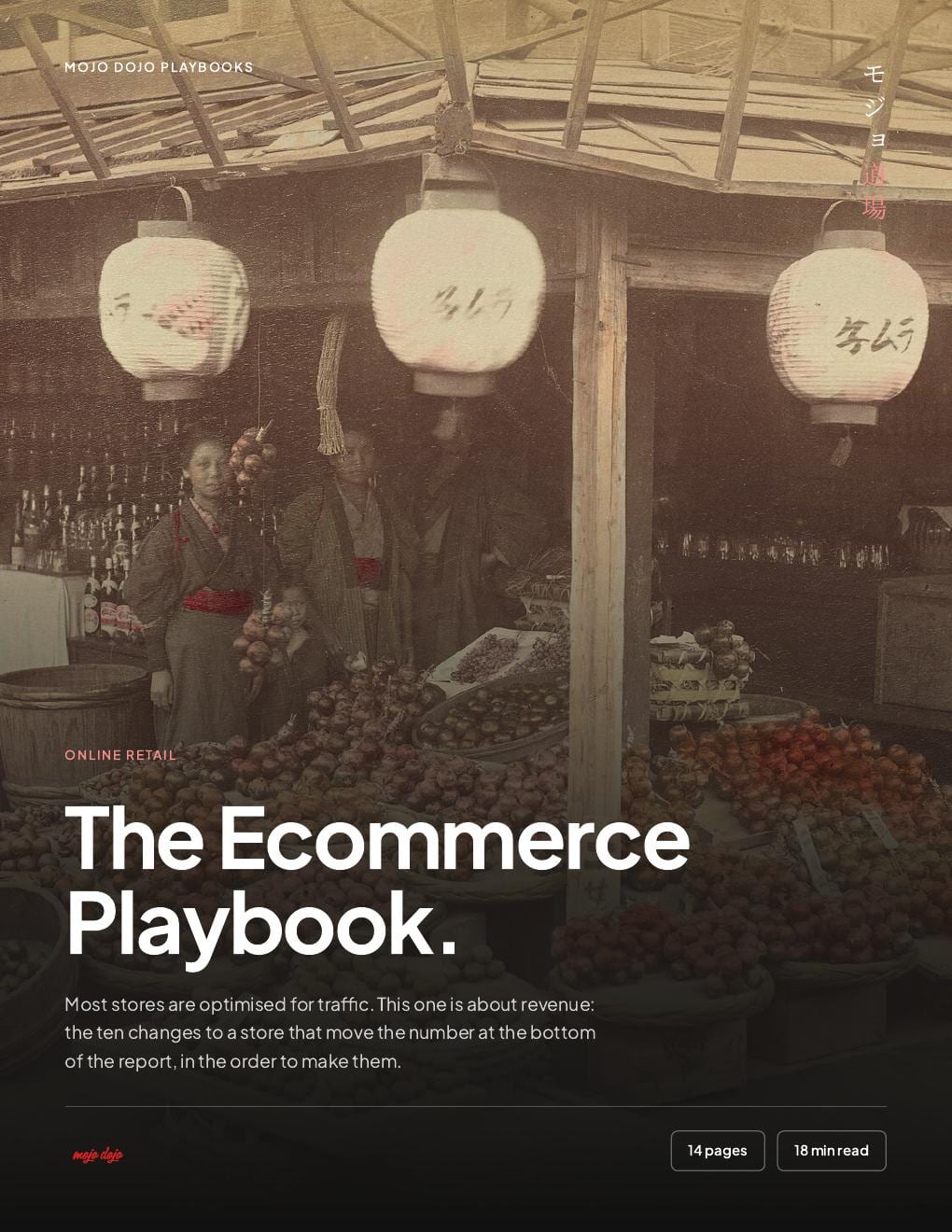
Free. 14 pages. In your inbox. Magic-link delivery, it arrives in about two minutes, and there's no sales call attached to reading it.
Questions about ecommerce SEO.
The questions store owners raise most, plus a few specific to the North West. Contact us →
Can you work with Manchester businesses remotely?
Yes, that is how we work with every client. Kick-off, strategy reviews and monthly check-ins happen over video calls, and you can follow fixes, rankings and organic revenue in shared reporting. We have no UK premises, and your store, Search Console and analytics are where the work actually happens.
What is ecommerce SEO?
Ecommerce SEO is optimising an online store so its product, category and content pages rank in search and turn visitors into buyers. It combines technical SEO for large catalogues, on-page optimisation, content, structured data and link building, measured by organic revenue rather than rankings alone.
How is ecommerce SEO different from regular SEO?
A store has far more pages, a catalogue that changes daily, filters that create duplicate URLs and a checkout that has to convert without any human help. Regular SEO aims for enquiries. Ecommerce SEO aims for transactions, so page targeting, product data and user experience matter as much as rankings.
How important is SEO to my online store?
Organic search is one of the few channels where traffic keeps arriving without paying per click. Stores that rank for buying searches reduce their dependence on paid ads, improve margin, and stop rebuying the same customers every month.
What results can I expect?
It depends on your starting point, catalogue and competition, so we do not promise a figure. For reference, Babylon Flowers grew revenue 787% year over year, Avenel Hats grew revenue 276% year over year, and Cosmetic Tattoo Supplies Australia grew revenue 114% over a 5 month campaign. Each is published in our case studies.
How long does ecommerce SEO take to work?
Technical fixes can affect crawling and indexing within weeks. Ranking and revenue gains usually build over several months, and they compound. Camino Kids lifted its organic conversion rate 143% across a 6 month campaign, and Cosmetic Tattoo Supplies Australia saw revenue up 114% in 5 months.
Who is a good fit for ecommerce SEO?
Stores with a catalogue of real demand in search, a functioning checkout and the appetite to invest for several months. It suits established stores looking to reduce ad dependence and new stores launching product lines that need organic visibility from the start.
Which ecommerce platform is best for SEO?
Any major platform can rank well when configured properly. Shopify, WooCommerce, Magento and BigCommerce each have different strengths and pitfalls around URLs, faceted navigation, speed and structured data. We audit what you have before recommending a change, and we rarely advise migrating for SEO reasons alone.
How do you handle out-of-stock and discontinued products?
It depends on the product. Temporarily out of stock items usually stay live with clear availability markup and related alternatives. Permanently discontinued items are redirected to the closest relevant product or category so the page authority is kept and shoppers never hit a dead end.
Do product reviews help ecommerce SEO?
Yes. Reviews add fresh, unique content to product pages, build trust that lifts conversion, and with review schema can make your listings eligible for rich results. We help you collect them, display them and mark them up correctly.
How do you measure ecommerce SEO success?
By organic revenue, transactions, conversion rate and average order value from organic traffic, tracked in Google Analytics and reviewed with you each month. Rankings and traffic still matter, but they are treated as leading indicators, not the goal.
Why choose Mojo Dojo for ecommerce SEO?
We handle SEO, content, conversion optimisation and paid channels together, so organic gains are not undone by a weak product page or checkout. Our case studies show the outcomes for real online stores, and implementation is included rather than handed back to you as a to-do list.
How should I prepare for the student intake in September?
Plan in spring. Pages for bedding, kitchenware, tech and fashion basics need to be live and indexed by summer to rank for arrival week. We usually build evergreen student collections and guides that stay online year-round, then refresh products and copy each July.
Can a store here compete for national searches?
Yes. Most product searches do not include a place name, so rankings depend on page quality, relevance and authority, not postcode. We focus on the categories where your range, pricing or expertise is strongest and build from there.
Get a free ecommerce SEO audit.
Send us your store URL and within 48 hours we will return an ecommerce SEO audit covering crawl waste, category gaps and product page issues, with the biggest revenue opportunities listed first. No calls, no obligations.