


Expert PPC Management for Austin Businesses
Austin PPC management for the Silicon Hills tech scene and the fast growing, high income audience moving in behind it. We run Google Ads and Microsoft Ads for SaaS, startups and local brands from SXSW week to year end, tuned to how Austin buyers actually search.
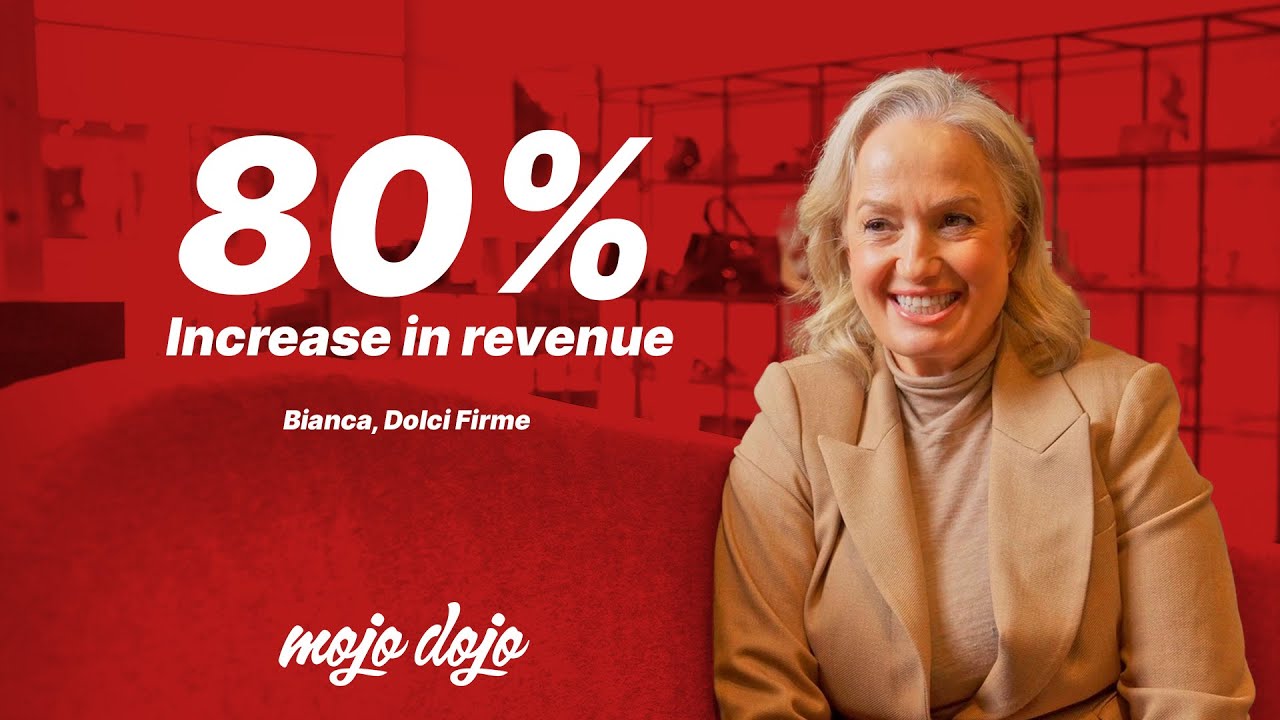
Real Mojo Dojo clients, on the record.
Advertising to a market full of marketers.
About one in six workers in the region works in tech, nearly 203,000 people at the end of 2023. That changes who you are bidding against. Many of your competitors, even small ones, already have someone who understands match types, audiences and conversion tracking, and the buyers you want are used to being targeted well. Sloppy accounts get found out quickly here, by the auction and by the customer.
Growth adds a second layer. The metro area reached 2,620,945 residents in July 2025, the second-fastest growing large metro in the country, yet the city itself grew only 0.4%. The new households are landing in Hutto, up 7.9%, Kyle, up 6.1%, Georgetown and Round Rock. Campaigns still aimed at central neighborhoods are missing a large share of the people now searching for builders, dentists, schools and restaurants.
PPC management is the ongoing job of planning, running and improving paid campaigns across Google, Microsoft, Meta and LinkedIn, and judging them on leads, sales and revenue instead of clicks. Here it also means planning for SXSW in March and ACL and the Grand Prix in October, when auctions in hospitality and events heat up, and testing Spanish-language ads where your customers use them. For the paid versus organic question, read our guide to SEO, PPC and SEM, and see how our SEO work supports the same landing pages.
Looking beyond Austin? Our PPC Management USA page covers the whole country. The same service is available in New York, Los Angeles, Chicago, Houston and Miami.
You may also be interested in Google Ads, Facebook Ads and LinkedIn Ads in Austin. See all of our Austin services.
Easily one of the most intelligent individual I have had the pleasure of working agency side. (You) did the best by the client who is reaping the benefit of running one of the most sophisticated Google adwords campaign I have seen in my career.
Kartik, on our Google Ads work
PPC management in Austin: who you are competing with.
Federal and regional figures on growth, the tech workforce and the small-business crowd.
Where PPC budgets leak, and what we do about it.
Six common ways paid budget leaks, two of them typical of this market.
Conversions are counted wrongly
Double-counted form fills, reloaded thank-you pages and missing call tracking make an account look better or worse than it is, and automated bidding then learns from bad data.
Measurement is fixed first
We audit every conversion action, remove duplicates, add call and form tracking, and feed real lead or revenue value back to the platform where we can.
Spanish-language searches ignored
About three in ten city residents speak a language other than English at home, mostly Spanish. English-only keywords and ads leave that demand to competitors, or send Spanish speakers to pages they cannot use.
Bilingual campaigns where they pay
We check Spanish search demand for your services, build separate Spanish ad groups and landing pages where it is real, and compare cost per lead with the English campaigns.
One campaign, one budget, no control
When everything is lumped together, the products or services that earn the most are starved while weak ones absorb spend.
Budget follows margin and return
Campaigns are split by intent and value, and budget moves toward what returns most, judged against your margins rather than platform averages.
Good clicks, poor landing page
Paid traffic sent to a generic or slow page converts badly, and platforms can charge more for a weak landing page experience.
Pages built for the ad
We match page to message, cut form friction and test variants. See our conversion rate optimization service.
Stale ads and creative fatigue
Ads that never change lose click-through rate, and on social platforms audiences tire of seeing the same creative.
Structured testing
We run controlled ad and creative tests, keep winners and retire losers, so learning compounds instead of resetting.
Festival weeks distort the averages
During SXSW, ACL and the Grand Prix, click prices in hospitality and events climb. Monthly averages blend those weeks with normal ones, so nobody can tell whether the peak spend paid off.
Peak periods reported on their own
We report event weeks separately, set bid limits and budgets for them in advance, and compare revenue per dollar against normal weeks to decide next year's plan.
Industries we help in Austin.
Six sectors with very different buyers, and what we do with paid media for each.
SaaS and software
Your buyers know what a retargeting ad looks like. We run search on high-intent comparison and integration terms, LinkedIn by role and company size, and report cost per demo and pipeline rather than sign-ups.
Semiconductor and industrial suppliers
Samsung is expected to invest over $37 billion in fabs in Taylor and in its existing local facility. Suppliers get narrow, exact-match search and account-based LinkedIn aimed at procurement and engineering teams.
Health, dental and therapy practices
Health care businesses in Travis County took in about $14.6 billion in 2022. Practices get booking-focused search with call tracking, split by suburb so the new families in Kyle or Leander see the nearest location.
Restaurants, bars, venues and hotels
ACL 2025 contributed $557.8 million to the local economy. We raise budgets and refresh ads ahead of festival weeks, then pull back, so you are visible when demand spikes and not overpaying after.
Builders, realtors and home services
The metro added nearly 32,000 housing units in 2024-25. We target new-build suburbs with service-area campaigns and lead forms that qualify the job and the budget.
Government contractors and education
The state capital and a university with a record 55,000 students. We run LinkedIn and search campaigns for public-sector suppliers, and enrollment-season campaigns for student-facing businesses.
Out-bid or out-think the Austin crowd?
Book a strategy session and we will review your PPC accounts, suburb targeting, event planning and conversion tracking.
What managed PPC does for the numbers.
Paid media results from our published client case studies.
Paid channels we manage.
We pick channels by buyer and margin. A SaaS company at The Domain may need LinkedIn and search, a South Congress boutique Meta and Shopping.
Search ads
Capture people already searching for what you sell, with full control of keywords, match types and ad copy across Google Ads management and Microsoft Advertising.
Shopping and Performance Max
Product feeds and automated campaigns for online stores, with feed clean-up and asset control. See Google Shopping Ads and Performance Max.
Display and YouTube
Reach and retarget audiences with visuals and video through Google Display and YouTube Ads.
Remarketing
Bring back visitors who did not convert, with audiences built from real behavior. See our remarketing service.
Meta ads
Demand generation and direct response on Facebook and Instagram, from creative testing to audience strategy. See Facebook Ads and Instagram Ads.
LinkedIn ads
Reach buyers by job title, company and industry for B2B lead generation. See LinkedIn Ads.
TikTok ads
Short-form video campaigns for brands whose buyers spend time on the platform. See TikTok Ads.
The right mix, not every channel
We will tell you when a channel is not worth your budget yet. A smaller, well-run mix beats a wide one spread too thin.
Get a free review of your PPC accounts.
Send us your website and the ad accounts you run, and we will show where suburb targeting, event planning and tracking could work harder. No obligation.
How PPC advertising works.
Most PPC platforms sell ad space through an auction that runs each time someone searches or scrolls. You choose who you want to reach and what you are willing to pay for a result. The platform then decides whether your ad enters the auction and where it appears.
On Google Ads, position depends on Ad Rank, which combines your bid with the quality of your ad and landing page and the context of the search. That is why the highest bidder does not always win, and why a relevant ad on a fast page can cost less per click than a poor one. Quality Score, a 1 to 10 diagnostic shown in the account, is a useful signal of how well keyword, ad and landing page fit together.
Other platforms work on similar principles with different inputs. Meta and LinkedIn weigh your bid against how likely the audience is to engage. Managing PPC well means knowing what each auction rewards and shaping the account to match. For the biggest platform, see our Google Ads management service.
What our PPC management includes.
Setup, daily running and data-heavy reporting, built for buyers who want to see the numbers.
Account and tracking audit. A full review of existing accounts, conversion actions and data quality before any budget moves.
Keyword, audience and competitor research. Intent-led research that finds the searches and audiences most likely to become customers.
Campaign structure and build. Campaigns organized by intent and value so budget can follow return.
Ad copy and creative. Copy, images and video written for the audience, tested against each other.
Bid and budget management. Bid strategies, budgets and pacing set against your target cost per lead or return on ad spend.
Search term and negative keyword control. Ongoing removal of wasted queries and protection of your brand terms.
Landing page recommendations and testing. Changes to pages and forms that lift conversion, working with our CRO team.
Conversion and call tracking. Form, call and sales tracking set up and checked so reported results can be trusted.
Remarketing audiences. Lists built from real site behavior to win back visitors who did not convert.
Ad and creative testing. Controlled experiments so winners are kept and learning builds over time.
Shopping feed optimization. For online stores, product data clean-up that improves eligibility and click-through.
Reporting and strategy reviews. Reports on leads, revenue and return, plus a regular review of what to do next.
PPC and SEO work best together.
Paid search buys speed and control. You can be on page one tomorrow, target exact audiences and switch budgets on and off. Organic search builds an asset that keeps bringing traffic without a cost per click. Each channel makes the other cheaper to run.
Search term data from paid campaigns shows which keywords convert, so we know which pages are worth ranking for. Organic data shows which pages already convert, so we know where paid clicks will land well. Bfree is a good example: running Google Ads management alongside SEO, sales rose 1000% and organic traffic 192%.
If you are deciding where to start, our guide to SEO vs PPC vs SEM sets out the trade-offs, and our SEO service covers the organic side.
How we manage your PPC, from audit to report.
Six stages, handled remotely with video calls and a shared dashboard you can check any time.
Goals and economics
We learn your margins, lead value, sales cycle and targets so success is defined in money, not clicks.
Account and tracking audit
We review any existing accounts and fix measurement before we touch budgets.
Strategy and budget plan
Channel mix, budget split and targets are agreed with you before anything launches.
Build and launch
Campaigns, ads, audiences and landing pages go live with tracking already in place.
Ongoing optimization
We review search terms, bids, budgets and creative tests, and move spend toward what returns most.
Reporting and review
Monthly reporting on leads, revenue and return on ad spend, then a plan for the next month.
Areas we serve in Austin.
We work remotely with businesses throughout the metro. In the urban core that includes downtown, the east side, South Congress, Zilker, Hyde Park, Mueller and the north side, plus Westlake across the river.
The suburbs are where much of the growth is, so we build targeting for Round Rock, Cedar Park, Leander, Georgetown, Pflugerville, Hutto and Manor to the north and east, Lakeway, Bee Cave and Dripping Springs to the west, and Kyle, Buda, San Marcos and Bastrop to the south and east. Each area gets its own bids, so budget follows where your customers are moving.
Selected results.
Featured work from our wider client portfolio. It shows how we approach growth, not results for businesses in this city.



“Their team understood our business before we even had to explain it. Enquiries are up 250% and the quality is better than ever.”
Outsmart competitors instead of outspending them.
What nine years and $32 million of Google Ads taught us about outsmarting competitors instead of outspending them. One client, five ideas that transfer to any account.
Send me the PPC Playbook →
Free. 12 pages, 14 min read. In your inbox. Magic-link delivery, it arrives in about two minutes, and there's no sales call attached to reading it.
What are PPC management services?
PPC management services cover the planning, setup, daily running and reporting of pay per click advertising. That includes keyword and audience research, ad copy and creative, bidding and budgets, tracking, landing page advice and regular reporting, across platforms such as Google Ads, Microsoft Advertising, Meta and LinkedIn.
How is PPC different from SEO?
PPC buys visibility. You pay per click or action, results start quickly and you control who sees the ad. SEO earns visibility over months and has no cost per click, but takes longer to build. Most businesses do best running both, each informing the other. Our guide to SEO vs PPC vs SEM goes through the trade-offs.
Do you work with Austin businesses?
Yes. We manage PPC for Texas businesses remotely, with planning and review sessions on video calls and shared reporting that shows spend, conversions and cost per lead in real time. There is no office to visit; the work happens in your accounts and our shared dashboards.
Which PPC platforms should I advertise on?
It depends on where your buyers are and what a customer is worth. Search ads suit people who already know what they want. Shopping suits online stores. LinkedIn suits B2B lead generation. Meta and TikTok suit demand creation and visual products. We recommend a mix after understanding your margins, not a fixed package.
How long does it take to see results from PPC?
Traffic starts as soon as campaigns are approved, but useful conclusions take longer. Platforms need data to learn, so expect the first weeks to be about collecting it and removing waste, with efficiency improving as tests conclude. Linen House cut marketing cost by 40% while paid revenue grew 109%, which is the pattern good management aims for.
How do I know if my PPC campaigns are working?
Judge them on business results: leads, sales, revenue, cost per acquisition and return on ad spend, not clicks or impressions. That only works if conversion tracking is accurate, so we check tracking first. Where possible we tie ad data to real sales or lead quality, not just form fills.
Should I manage PPC in-house or hire an agency?
In-house works when you have someone with the time and platform experience to keep accounts current. An agency suits teams that need experts across several platforms, fresh testing ideas and reporting that ties spend to revenue. Many businesses start with an agency and bring parts of the work in-house later.
How do you plan for SXSW, ACL and the Grand Prix?
We map which events move your category, then set budgets, bid limits and ad copy for those weeks ahead of time. Hospitality and event businesses usually get more budget in March and October, while B2B accounts may pull back to avoid inflated clicks.
Do you provide PPC audits?
Yes. An audit reviews your account structure, tracking, keywords and search terms, ads, budgets and landing pages, then ranks the fixes by likely impact. See our Google Ads audit, or use the form below to ask for a review.
What is remarketing and why does it matter?
Remarketing shows ads to people who have already visited your site or engaged with your brand. Most visitors do not convert on the first visit, so remarketing keeps you in front of warmer audiences, usually at a lower cost per conversion than cold traffic. Linen House used remarketing as part of the campaign that grew paid revenue 109%. See our remarketing service.
Should we run Spanish-language ads?
If your customers search in Spanish, it is worth testing. We check demand first, build separate Spanish campaigns and landing pages, and keep them only if they bring leads at a cost you are happy with.
What should I look for in a PPC agency?
Ask who owns the ad accounts, how conversions are measured, what the reports lead with, and how spend is split by margin. Look for published results in your kind of business, not just headline figures. Be wary of agencies that report clicks and impressions but cannot show revenue or cost per lead.
Get a free review of your PPC accounts.
Send us your website and the ad accounts you run, and we will show where suburb targeting, event planning and tracking could work harder. No obligation.