

Expert ChatGPT Ads for Wellington Businesses
Wellington ChatGPT Ads campaigns put your business in front of buyers who ask ChatGPT for a recommendation before they shortlist anyone. Government suppliers, creative studios and tech firms in the capital win when their name is the one ChatGPT surfaces for the question that matters.
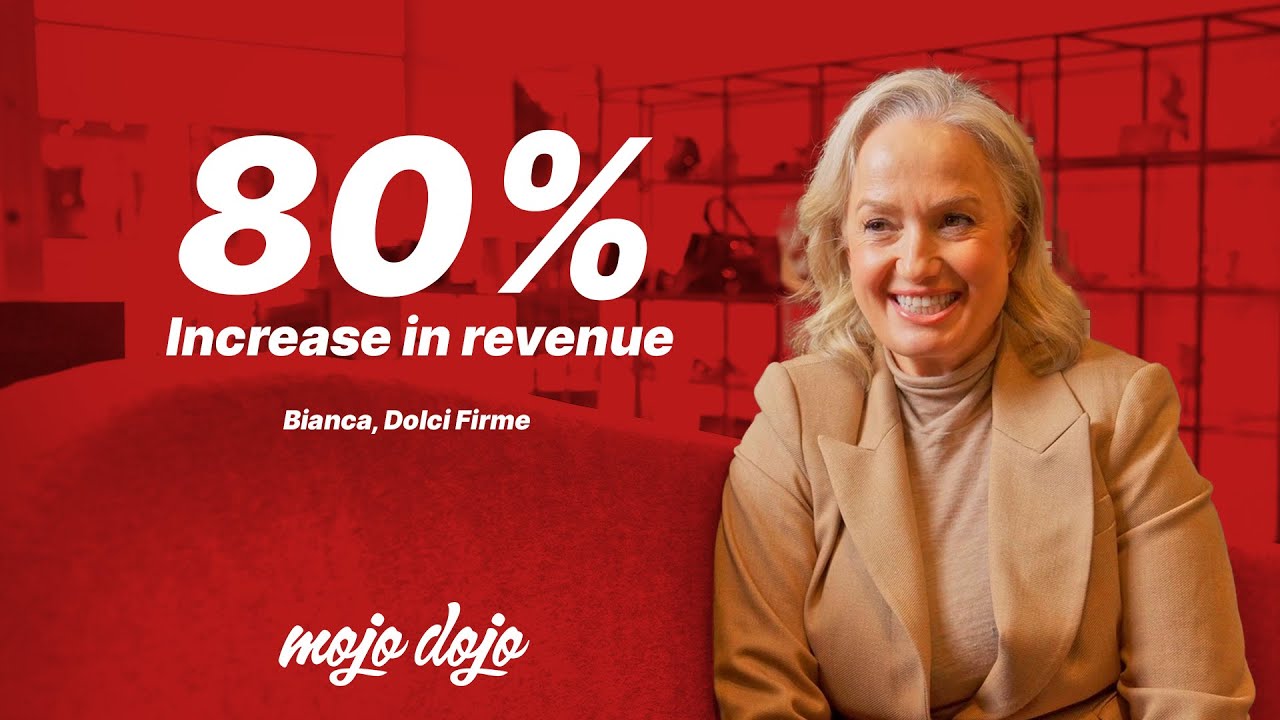
Real Mojo Dojo clients, on the record.
A high-income capital looking for new customers.
The Wellington region had the highest GDP per person of any New Zealand region in the year to March 2024, at $92,776. Its buyers are well paid, well educated and used to reading evidence: 65.6% of adults in Wellington City hold a post-school qualification. They tend to research carefully, and more of that research now happens in conversation with ChatGPT, where a person can lay out a policy problem, a software requirement or a renovation plan in detail before asking for options.
The last two years have been hard on the capital. Public sector cuts from 2024 took a large bite out of CBD spending, the city's population fell 0.3% in the year to June 2025, and the regional business count has been drifting down since late 2023. Many firms that relied on government contracts or on public servants buying lunch and services near Lambton Quay now need customers from elsewhere: the Hutt Valley, Kāpiti, the rest of the country or overseas.
ChatGPT Ads suit that search for new demand. Because ads are matched to what a person has described, a consultancy can appear when a private-sector manager explains a compliance problem, and a screen business in Miramar can reach an overseas producer asking about post-production. Neither depends on foot traffic or a local keyword.
We run the channel as a measured test: a modest budget, a clear success measure, and reporting written in plain English that you could hand to a board.
Looking beyond Wellington? Our ChatGPT Ads New Zealand page covers the whole country. We also provide ChatGPT Ads in Auckland. This service pairs well with Google Ads, AI SEO and PPC Management in Wellington. For the full list, see our Wellington services.
ChatGPT Ads in Wellington: what the numbers say.
Regional figures from official and independent sources. Each card names where it comes from.
What are ChatGPT ads?
ChatGPT ads are sponsored placements that OpenAI shows alongside ChatGPT answers. They are labelled as ads and shown separately from the answer itself, so a person can always tell which part is sponsored.
They work differently from Google Ads. A search ad is triggered by a single query. A ChatGPT ad can be matched to the wider conversation, using the context the person has built up over several messages. Advertisers do not bid on a list of keywords. They describe the conversations an ad is relevant to, and the platform decides when a match is good enough to show it.
Someone who has spent weeks asking ChatGPT to compare suppliers, explain a category or shortlist providers has told the platform far more about their intent than any one search could. That is the opportunity, and it is why creative, context and landing pages matter more than bid tweaks.
Who sees the ads
Ads are shown to adults on the Free and Go plans. They are not shown on Plus, Pro, Business, Enterprise or Edu plans, and not to users who are identified or predicted to be under 18. That is a large audience, but it is not every ChatGPT user, and we plan reach with that in mind.
OpenAI says advertising does not change the answers ChatGPT gives, and that conversations are not shared with advertisers. We explain what you actually receive in the measurement section below.
Availability in New Zealand
OpenAI has introduced ads market by market, and the buying options are still changing. At the start of every engagement we confirm what New Zealand advertisers can buy today, so the plan you approve is one we can actually run.
Industries we help in Wellington.
The sectors that shape the capital's economy, and what a conversational ad can do for each.
Consultancies and policy advisers
Professional, scientific and technical services was the region's largest industry by GDP in 2024. Many firms sold mainly to government. We help them reach private-sector and out-of-region clients by matching ads to the problems those clients describe in ChatGPT.
Government suppliers
Public administration is the second-largest industry, but budgets tightened from 2024. For suppliers diversifying beyond it, we build campaigns around the questions new buyers ask when they are working out who can help.
Finance and insurance
One of the three largest industries by regional GDP. A regulated category needs factual copy, compliance sign-off and tracking through to real applications, and we build campaigns that way from day one.
Software and digital services
Technology firms here sell to buyers who compare tools inside ChatGPT. Ads matched to those comparisons put you in the evaluation instead of waiting to be found afterwards.
Screen, visual effects and creative studios
Production and post-production businesses sell to international clients, not local foot traffic. Conversation matching can reach a producer researching suppliers anywhere in the world, subject to where ads are available.
Hospitality and events
Major events drew 1.07 million attendees and $73.8 million of visitor spend in 2023-24. Cafes, bars and accommodation can reach visitors planning a trip around WOW or Wellington On a Plate, while plans are still open.
Find new customers for your Wellington business inside ChatGPT
Book a strategy session and we will look at who you could be selling to, what they ask before they buy, and whether your tracking is ready to measure it.
Why ChatGPT ad campaigns underperform, and how we avoid it.
Two challenges particular to the capital right now, and five that affect any new channel, with our fix for each.
A customer base that shrank overnight
After the public sector cuts, businesses that depended on government contracts or CBD workers lost demand that is not coming back soon.
Campaigns aimed at new buyer groups
We identify the private-sector, regional and overseas buyers who need what you do, and build context hints around the problems they describe, so the channel finds customers beyond the old ones.
Keyword thinking on a conversation channel
Copying a search campaign into ChatGPT means describing keywords when the platform matches on conversations, so ads land in the wrong places or nowhere.
Conversation-intent research first
We map the questions your buyers ask before they buy, such as comparisons, price checks and category education, and build context hints around those moments.
Ads that read as ads
A loud, generic ad next to a considered answer looks out of place and gets ignored.
Copy that fits the conversation
We write each ad component to be clear, specific and useful, so the ad reads as a natural next step and not an interruption.
Results nobody can attribute
Without cookie-style attribution, conversions from a new channel disappear into direct or unassigned traffic and the channel looks worse than it is.
Tracking designed before launch
We build a UTM schema and connect it to your analytics and CRM, so leads and revenue trace back to the campaign that earned them.
Clicks that land on a generic page
Someone who arrives from a detailed conversation expects a page that picks up where it left off, not a homepage.
Pages that continue the conversation
We match page, message and offer to the ad, and test variants. See our conversion rate optimisation service.
Scaling before anything is learned
Large budgets on an unproven campaign burn money while the platform and your messaging are still learning.
Conservative start, earned scale
We begin with controlled bids to gather clean data, then raise spend only where the results justify it, judged against your margins.
Treating the region as one city
Harbour and hills split the region into distinct catchments. People ask about Petone, Porirua or Upper Hutt, and a CBD-only message misses them.
Messages built for each catchment
We write landing pages and context hints for the parts of the region you serve, including the Hutt Valley and Kāpiti, where population growth has held up best.
ChatGPT Ads compared with Google search ads.
Both channels are paid and measurable. For evidence-minded buyers, here is a plain comparison.
Trigger
Google search ads respond to one query typed in the moment. ChatGPT ads can draw on the context of a whole conversation, so intent builds across several messages.
Targeting
Google ads are built around keywords, match types and audiences. ChatGPT ads use natural-language context hints that describe the conversations where an ad belongs.
Format
A Google ad sits in a results page of links. A ChatGPT ad is a labelled placement beside a conversational answer, so the copy has to read as helpful, not loud.
Stage of the buyer
Search often catches people ready to act. ChatGPT is where many people compare, learn and shortlist first, so it suits earlier and mid-funnel decisions well.
Measurement
Google Ads has mature conversion and attribution tooling. ChatGPT Ads reporting is newer, so we lean on UTM tagging and your own analytics to tie results to revenue.
Maturity
Google Ads is a decades-old auction with stable best practice. ChatGPT Ads is early and changing, which rewards testing and punishes assumptions. Compare it with our Google Ads management work.
Get your free ChatGPT Ads audit.
Send us your website and within 48 hours we will return a ChatGPT Ads opportunity audit in plain English: likely buyer conversations, gaps in your landing pages, and whether the channel is worth a test.
What careful paid media management has delivered.
These results come from Google Ads and other paid channels we manage, because ChatGPT Ads is too new for a published case study. The evidence is in cost and revenue, not clicks.
What is included in our ChatGPT Ads management.
Setup, daily running and plain-English reporting are all part of the service.
Account setup and verification. Ads Manager access and account setup where your market allows self-serve, or coordinated with OpenAI's team where it does not.
Conversation-intent research. A map of the questions your ideal customers ask ChatGPT before they buy, including comparisons, price checks and competitor evaluations.
Context hints and campaign structure. Campaigns, ad groups and ads organised around conversation themes, with context hints written to match the moments that matter.
Native ad creative. Advertiser name, favicon, headline, description, landing page and image, each written to feel native to the conversation.
Landing page alignment. Audits and dedicated pages that continue the conversation the visitor was having, matching tone, message and offer to the ad.
Bid model and budget planning. CPC or CPM chosen for your goal, with a conservative start and scaling rules agreed in advance.
UTM and attribution set-up. A tagging schema wired into GA4, your CRM or your BI tool so leads and revenue trace back to ChatGPT campaigns.
Ad and message testing. Controlled tests of copy, context and offers so winners are kept and learning compounds.
Monthly optimisation cycles. Bid changes, message tests, landing page improvements and budget moves, each measured against a clear before-and-after benchmark.
Reporting and strategy reviews. Reporting on leads, revenue and return, plus a regular review of what to do next, alongside your wider PPC programme.
ChatGPT Ads pricing, spend and measurement.
Pricing and spend
ChatGPT Ads can be bought on a cost-per-click (CPC) or cost-per-thousand-impressions (CPM) basis, so you can match the model to the goal. CPC suits lead and traffic goals because you pay when someone clicks. CPM suits awareness and reach goals, where visibility across relevant conversations is the point.
OpenAI has been changing the buying options and minimums as the product matures, so we do not quote a fixed price here. During planning we confirm what is open to you today, recommend a bidding model, and set a starting budget against what a lead or a sale is worth to your business. There are two costs to plan for: the media spend that goes to OpenAI, and our management fee.
Measuring results
This channel does not have the mature attribution of Google Ads, so we do not rely on last click alone. We combine UTM parameters with the reporting in OpenAI's Ads Manager Beta, which currently covers impressions, clicks, click-through rate, average CPC, average CPM and conversions, and with your own analytics and CRM. The measure that matters is leads, revenue and pipeline, not clicks.
Privacy and answer independence
OpenAI states that customer conversations stay private and are not shared with advertisers. Advertisers receive aggregated performance data, which is enough to measure results without identifying individuals. OpenAI has also committed publicly that advertising will not alter the answers ChatGPT gives.
Timing your test
Most New Zealand businesses close their books on 31 March, so B2B budgets are often set between February and April. For hospitality, the August food and beer festivals and the September to October WOW season are the windows to be ready for. We plan tests to finish before the one that matters to you.
How we plan, launch and improve your ChatGPT Ads.
Six stages, from research to plain-English reporting, with no budget increase until the results justify it.
Goals and economics
We learn your margins, lead value and targets so success is defined in revenue and cost per lead, not clicks.
Audience and intent research
We identify the conversations and decision moments most relevant to your business, using audience research, competitor analysis and customer pain points.
Strategy and creative
We agree the plan with you, then write ad components, landing pages and offers built for a conversational environment.
Tracking and launch
UTMs, analytics and CRM tracking are checked before any budget is spent. Campaigns then go through OpenAI's review and launch.
Learn and scale
Bidding starts conservatively so we can gather data on real intent, then budgets grow as performance earns it.
Optimise and report
Monthly cycles of bid, message and landing page tests, reported on leads, revenue and return, with a plan for the next month.
Who ChatGPT Ads suits.
The channel favours purchases that people research before they decide, which suits advisory, technical and specialist services especially well.
Considered purchases
Products and services where buyers compare options, read reviews and ask questions first, such as furniture, equipment and home improvements.
B2B and technology
Software, industrial suppliers and professional services, where a long research phase happens before anyone fills in a form.
Professional and local services
Legal, financial, health and trade services where people ask for recommendations and explanations.
Ecommerce with comparison-heavy categories
Stores where shoppers ask which product suits them, and where a well-matched ad can meet the question.
Brands investing in AI visibility
Businesses already working on organic presence in AI answers, who want a paid layer to test messaging. See our SEO for ChatGPT service.
Teams that want to learn early
Advertisers who would rather build data and creative knowledge now than start from zero once the channel is crowded.
Get your free ChatGPT Ads audit.
Send us your website and within 48 hours we will return a ChatGPT Ads opportunity audit in plain English: likely buyer conversations, gaps in your landing pages, and whether the channel is worth a test.
Areas we serve in Wellington.
We work with businesses throughout the region remotely, through video calls and shared reporting. In the city that includes Wellington Central, Te Aro, Thorndon, Kelburn, Newtown, Kilbirnie, Miramar, Island Bay and Karori, and the northern suburbs of Johnsonville, Khandallah and Tawa.
Beyond the city we work with firms in Lower Hutt, Petone, Eastbourne and Upper Hutt, in Porirua, up the coast in Paraparaumu, and over the hill in Masterton. People usually name the place they mean, so we build pages and context hints for the catchments you serve, and we handle Māori place names and macrons correctly.
Selected paid media results.
These outcomes come from paid channels we manage for clients outside New Zealand. They are not ChatGPT Ads results, and they are not presented as results from this region.

Paid visibility and organic visibility in ChatGPT.
Paid placements sit beside ChatGPT answers. The answers themselves are shaped by what the model can find and trust about your brand, and no amount of ad spend changes that. Businesses that only buy ads rent their visibility, and it stops when the budget does.
The stronger approach pairs the two. Ads let you test which questions and messages produce leads. Organic work, covered in our SEO for ChatGPT and AI SEO services, builds the presence that earns mentions without a click cost. What you learn from one feeds the other.
Capital firms often hold more useful material than they realise: research, submissions, guidance notes and case write-ups. Published well, that material gives ChatGPT something credible to cite about you, and the questions that prompt your ads show which topics deserve it first.
“Their team understood our business before we even had to explain it. Enquiries are up 250% and the quality is better than ever.”
How AI engines decide which businesses to name.
A growing share of your buyers now ask ChatGPT, Gemini, Perplexity or Claude and never see a results page, how those engines decide which businesses to name, how to become one of them, and how to know if it is working.
Send me the GEO Playbook →
Free. 12 pages, 15 min read. In your inbox. Magic-link delivery, it arrives in about two minutes, and there's no sales call attached to reading it.
Are there ads in ChatGPT?
Yes. OpenAI began showing ads in ChatGPT in 2026 and has been extending them country by country. Ads appear as labelled placements separate from the answer, for adults on the Free and Go plans. Whether you can buy them today, and how, depends on your market, so we confirm your options at the start.
Will ChatGPT Ads change the answers the assistant gives?
No. OpenAI has committed to answer independence as part of its advertising principles: advertising will not change the answers ChatGPT gives. Ads are labelled and shown separately from the response.
How are ChatGPT ads different from Google Ads?
Google search ads respond to a single query and are built around keywords. ChatGPT ads can be matched to the context of a whole conversation, and advertisers describe the conversations an ad is relevant to instead of bidding on keyword lists. The format, the reporting and the way intent builds all differ, which is why a copied search campaign rarely works here.
Who sees ChatGPT ads?
Adults on ChatGPT's Free and Go plans. Ads are not shown on Plus, Pro, Business, Enterprise or Edu plans, or to users who are identified or predicted to be under 18. That shapes reach, and we plan campaigns with it in mind.
Is my customers' conversation data shared with advertisers?
No. OpenAI states that conversations remain private and are not shared with advertisers. Advertisers receive aggregated campaign data such as impressions, clicks and conversions, enough to measure performance without identifying individual users. Users also keep control over their privacy and ad personalisation settings.
How do you measure ChatGPT Ads results?
We combine UTM parameters, the reporting in OpenAI's Ads Manager Beta, and your analytics and CRM. Ads Manager currently reports impressions, clicks, click-through rate, average CPC, average CPM and conversions. We tie those to leads and revenue so the channel is judged on business results, not clicks.
How long does it take to see results?
Campaigns can start delivering once they pass OpenAI's review, but useful conclusions take longer. The first weeks are for gathering data on which conversations and messages work, with bids kept conservative. Efficiency improves as tests conclude and budgets move toward what returns most.
Is ChatGPT advertising right for my business?
It suits purchases that people research before deciding, such as considered products, B2B services and professional services. It is less suited to impulse purchases or businesses with a very small addressable market. In the strategy session we tell you plainly if we think your budget would work harder elsewhere, for example in Google Ads.
Do I still need SEO if I run ChatGPT Ads?
Yes. Ads buy a placement beside an answer. They do not change what ChatGPT says about your brand in the answer itself. Organic work builds that presence and carries on without a click cost. We recommend testing paid while building organic, and our SEO for ChatGPT service covers the second half.
Do you work with Wellington businesses?
Yes, remotely. We plan and review campaigns with New Zealand clients over video calls, and you get shared reporting you can check at any time. Everything we need, from the ad account to your analytics, is online, so meeting in person adds nothing to the results.
We lost government work. Can ChatGPT Ads help us find private clients?
It is one of the better uses of the channel. Private-sector buyers often describe their problem to ChatGPT before looking for an adviser. We target those conversations with ads that explain what you do in their terms, and track which enquiries turn into paying work.
Can we reach clients outside New Zealand?
Possibly, depending on where ads are available and what the platform allows in each market. Screen, software and consulting firms often sell overseas, so we check the options for each target country at the start and plan campaigns only where they can run.
Get your free ChatGPT Ads audit.
Send us your website and within 48 hours we will return a ChatGPT Ads opportunity audit in plain English: likely buyer conversations, gaps in your landing pages, and whether the channel is worth a test.