

Adelaide Ecommerce SEO Agency
Adelaide ecommerce SEO that turns product and category pages into steady organic revenue. Adelaide's digital market is still underinvested, so online stores serving defence, food and wine buyers can win high-intent rankings faster than they would on the east coast.
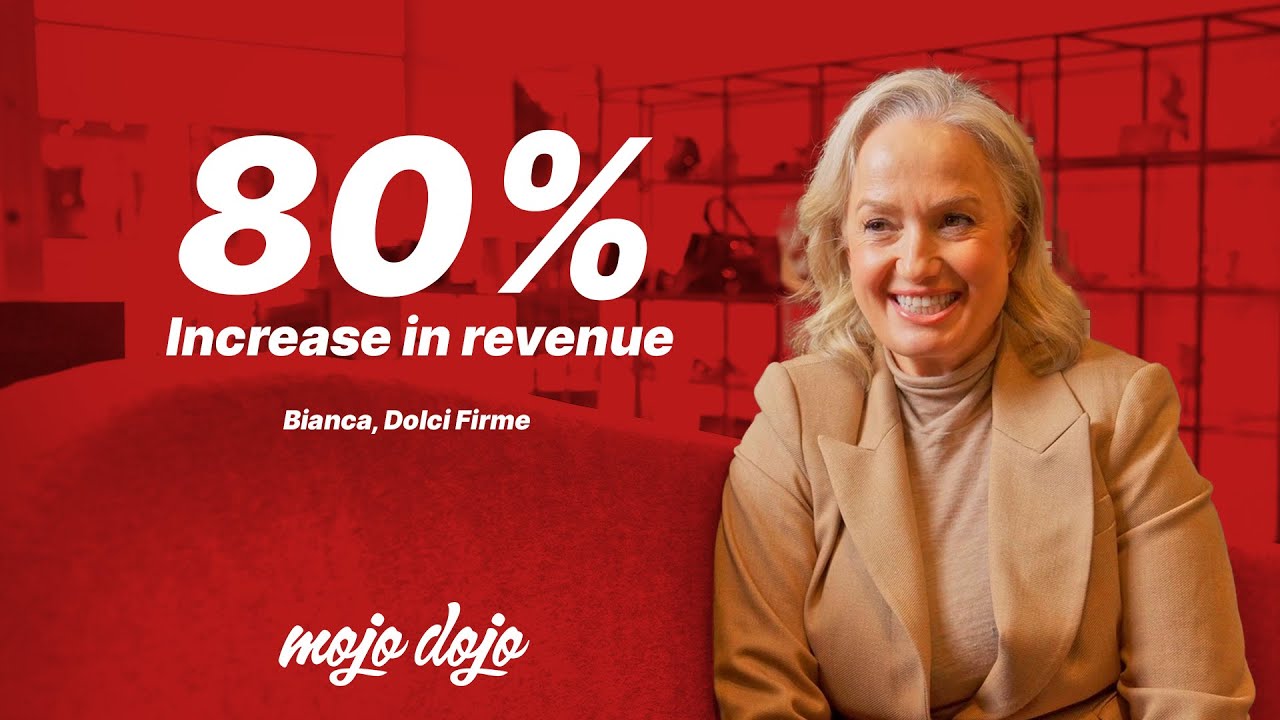
Real Mojo Dojo clients, on the record.
Wine, festivals and a less crowded search market.
South Australia crushed 48% of the country’s winegrapes in 2025, and McLaren Vale, the Barossa and the Adelaide Hills all sit within or right next to the metro area. That makes direct-to-consumer wine, gourmet food and gifting some of the most natural ecommerce categories in the state. Cellar doors bring visitors in; a well-ranked online store keeps them ordering after they fly home.
The wider picture favours sellers who invest early. Nationally, Australians spent $82.6 billion online in 2025, up 14% on the year, while Greater Adelaide has 118,344 small businesses, a fraction of the eastern capitals. Many product categories here have a handful of established names and plenty of room beneath them. The trade-off is price sensitivity: median household income sits below the national figure, so shoppers compare carefully and reward clear shipping costs, reviews and honest product detail.
Seasonality is sharp. The Fringe sold more than a million tickets in 2025 and the Tour Down Under drew 807,900 fans in January, so event, cycling and hospitality retailers see short, intense peaks. Ecommerce SEO for these stores is about having the right collection pages indexed and linked well before those weeks arrive, then keeping the URLs alive for next year instead of deleting them.
We judge every recommendation on organic revenue and orders. If you want the fundamentals, read our beginner guide to ecommerce SEO.
This page covers Adelaide; for the national picture see Ecommerce SEO Australia. Other cities we cover: Sydney, Melbourne, Brisbane and Perth.
Related Adelaide services include Shopify SEO, SEO and Shopify Development. Everything else we do here is listed under Adelaide services.
Ecommerce SEO in Adelaide: key figures.
Numbers that shape online selling in South Australia, each with its published source.
Industries we help in Adelaide.
Five sectors with distinct online buyers, and what we change in each store.
Wine, gourmet food and gifting
For wineries and producers selling direct, we structure collections by region, variety and occasion, mark up products for rich results, and handle the age and shipping rules that trip up wine stores in search.
Cycling, outdoor and event retail
The Tour Down Under generated a record $98 million in expenditure in 2025. Bike, apparel and outdoor stores can win January demand with evergreen category pages and buying guides that build authority all year.
Health and aged care supplies
Hospitals and residential aged care were the two largest employers of residents at the 2021 Census. Suppliers of continence, mobility and clinical products need precise product data and restrained, compliant copy.
Technical and defence components
Lot Fourteen and the Osborne shipyard anchor a specialist B2B community. Component and equipment suppliers with long catalogues benefit from part-number indexing and technical documentation that search engines can read.
Home and building products
Construction led state growth in 2024-25, up 5.0%, with new estates in the outer north and Mount Barker. Retailers of tiles, fixtures and furniture can rank for the product searches that follow every handover.
Is your Adelaide store ready for its next peak season?
Book a strategy session and we will show which collections and product pages could rank before your busiest weeks, and what is stopping them now.
What ecommerce SEO does for an online store.
Results from three online stores we have worked with, taken from our published case studies.
How ecommerce SEO is different from standard SEO.
A store has thousands of pages, a changing catalogue and a checkout to protect. A McLaren Vale winery and a Mawson Lakes parts supplier face the same six issues in very different forms.
Scale across thousands of URLs
Product, category, filter and pagination pages multiply fast. We decide which pages deserve to rank, which get consolidated and which stay out of the index.
Faceted navigation and duplicate content
Colour, size and price filters can create endless near-duplicate URLs that waste crawl budget. We control them with canonicals, noindex rules and internal linking.
Buying intent, not just search volume
We target the keywords that lead to transactions, such as product, brand and comparison searches, and map each one to the page best placed to convert.
Products that come and go
Out of stock, discontinued and seasonal products need a plan so you keep the equity of the URL and never send a buyer to a dead end.
Product data Google can read
Product schema, review markup, price and availability, plus a clean merchant feed, make your listings eligible for rich results and free shopping placements.
Speed and checkout friction
A slow category page or a clumsy cart cancels out the traffic you earned. We treat page speed and checkout usability as part of SEO.
Get your free ecommerce SEO audit.
Share your store URL and within 48 hours we will send an ecommerce SEO audit highlighting indexation problems, weak category pages and missed product searches, in order of revenue impact. No calls, no obligations.
What our ecommerce SEO service includes for Adelaide stores.
Implementation is part of the work, so you are not left with a report and a developer invoice. Scope is sized to your catalogue and budget, not to a fixed package.
Ecommerce keyword research. Revenue-weighted research across products, categories, brands and buying questions.
Technical SEO audit and fixes. Crawl, indexation, redirects, canonicals, sitemaps and Search Console issues.
Category page optimisation. Titles, copy, internal links and layout for the pages that carry most of your revenue.
Product page optimisation. Unique descriptions, metadata, images, variants and on-page trust signals.
Structured data. Product, offer, review, breadcrumb and FAQ schema implemented and validated.
Google Merchant Center and shopping feed. Feed clean-up and free listing eligibility, working alongside Google Shopping Ads where you run them.
Content that answers buying questions. Buying guides, comparisons and support content that capture shoppers earlier in the journey.
Internal linking architecture. Hierarchy and links that push authority to your highest margin categories.
Reviews and user generated content. Making customer reviews visible to shoppers and readable by search engines.
Off-page authority. Relevant, earned link building and digital PR for your store.
Site speed and mobile experience. Core Web Vitals, image weight and mobile checkout fixes.
Analytics and revenue reporting. Google Analytics and Tag Manager set up so we can report organic revenue, not just clicks.
Built around your platform and your catalogue.
Every ecommerce platform has its own habits. Shopify generates collection and variant URL patterns that need canonical control. Magento and BigCommerce ship with layered navigation that can flood the index. WooCommerce sites depend heavily on plugin choices and hosting. If you run WooCommerce, see our dedicated WooCommerce SEO service.
We work inside your existing platform and with your developers, or handle the changes ourselves, including structured data, template changes, tag management and feed fixes. As search shifts toward AI answers, we also make sure your product and brand information is structured so assistants can cite it. Read more on AI SEO.
The ecommerce SEO process, step by step.
Five stages, each tied to revenue, planned around your seasonal peaks and delivered remotely.
Market and revenue research
We study your customers, competitors and margins to find the categories and products worth winning first.
Full site audit
Technical, on-page and content review across templates, so we know exactly what is holding revenue back.
Strategy and roadmap
A prioritised plan ranked by likely revenue impact and effort, agreed with you before work starts.
Implementation
We ship the fixes, content and structured data, coordinating with your developers where needed.
Reporting and iteration
Monthly reporting on organic revenue, transactions and conversion rate, then we double down on what works.
Areas we serve in Adelaide.
We work remotely with online stores throughout the metro area and nearby wine country. Close in, that covers North Adelaide, Norwood, Unley, Prospect and Hindmarsh, with Glenelg and Marion to the south-west and Port Adelaide on the Lefevre Peninsula.
In the north we support businesses in Mawson Lakes, Salisbury, Parafield Gardens, Elizabeth, Munno Para, Angle Vale, Modbury and Campbelltown. Up in the hills, Stirling, Aldgate and Mount Barker, and down south Noarlunga, McLaren Vale and Aldinga. Meetings are held by video, and reporting is shared online.
Ecommerce SEO case studies.
Results drawn from online stores across our client list. They illustrate the method and are not presented as South Australian results.

Babylon Flowers
787% increase in revenue

Avenel Hats
276% increase in revenue

Cosmetic Tattoo Supplies Australia
114% increase in revenue
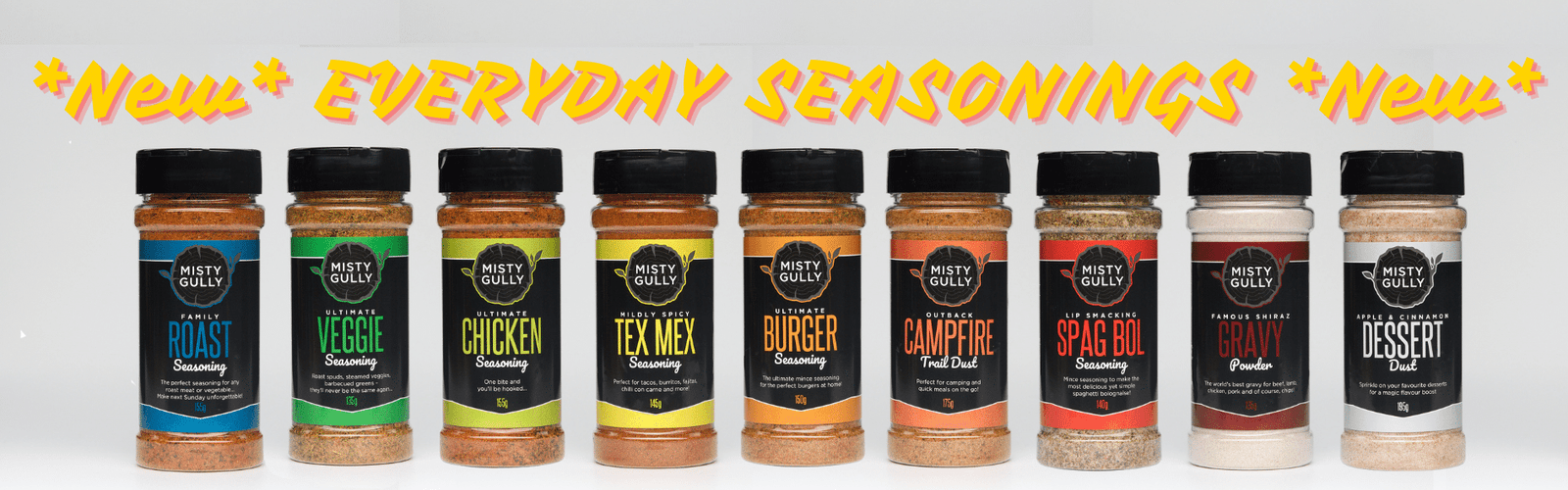
Smoked & Cured
111% increase in organic revenue
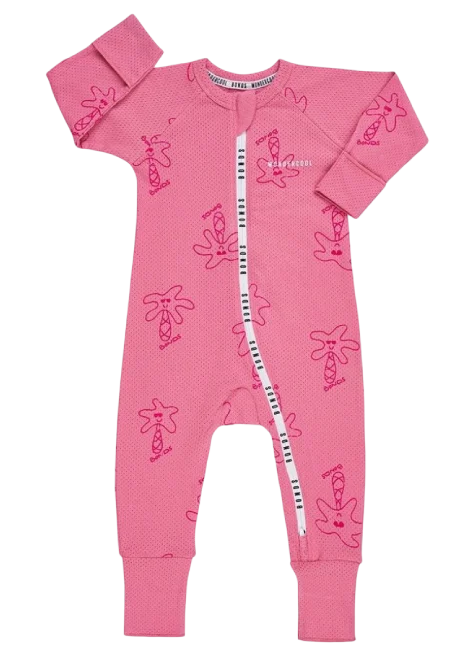
Camino Kids
143% increase in conversion rate via organic
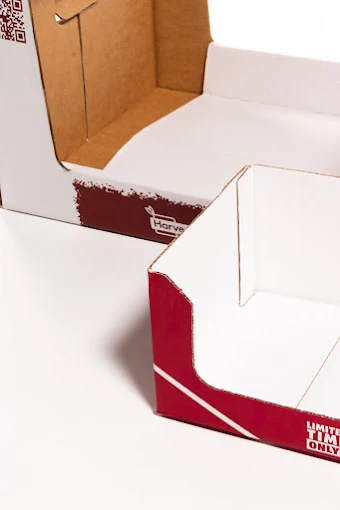
Echo Cartons
86.5% Increase In Organic Revenue
“Their team understood our business before we even had to explain it. Enquiries are up 250% and the quality is better than ever.”
The exact framework we use to grow online stores.
Learn how we plan, ship and measure organic revenue growth for ecommerce, the same system behind 787% and 276% year-over-year revenue lifts.
Send me the Ecommerce Playbook →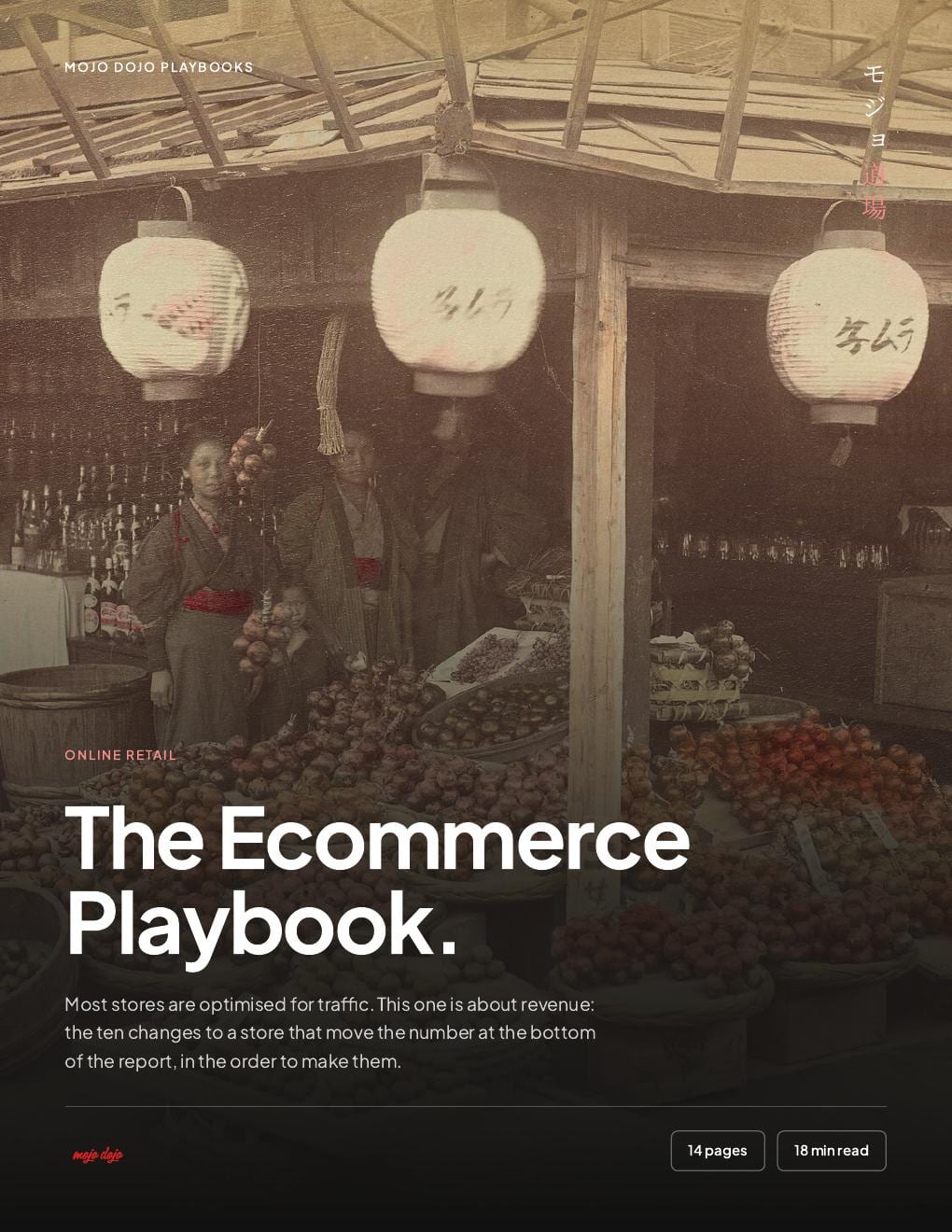
Free. 14 pages. In your inbox. Magic-link delivery, it arrives in about two minutes, and there's no sales call attached to reading it.
Questions about ecommerce SEO.
Standard questions, followed by a few we hear from South Australian store owners. Contact us →
Do you work with Adelaide businesses?
Yes, remotely. We run strategy sessions and reviews on video calls and give you shared reporting on rankings, fixes and organic revenue. We have no premises in South Australia, and the work itself happens inside your store platform and analytics.
What is ecommerce SEO?
Ecommerce SEO is optimising an online store so its product, category and content pages rank in search and turn visitors into buyers. It combines technical SEO for large catalogues, on-page optimisation, content, structured data and link building, measured by organic revenue rather than rankings alone.
How is ecommerce SEO different from regular SEO?
A store has far more pages, a catalogue that changes daily, filters that create duplicate URLs and a checkout that has to convert without any human help. Regular SEO aims for enquiries. Ecommerce SEO aims for transactions, so page targeting, product data and user experience matter as much as rankings.
How important is SEO to my online store?
Organic search is one of the few channels where traffic keeps arriving without paying per click. Stores that rank for buying searches reduce their dependence on paid ads, improve margin, and stop rebuying the same customers every month.
What results can I expect?
It depends on your starting point, catalogue and competition, so we do not promise a figure. For reference, Babylon Flowers grew revenue 787% year over year, Avenel Hats grew revenue 276% year over year, and Cosmetic Tattoo Supplies Australia grew revenue 114% over a 5 month campaign. Each is published in our case studies.
How long does ecommerce SEO take to work?
Technical fixes can affect crawling and indexing within weeks. Ranking and revenue gains usually build over several months, and they compound. Camino Kids lifted its organic conversion rate 143% across a 6 month campaign, and Cosmetic Tattoo Supplies Australia saw revenue up 114% in 5 months.
Who is a good fit for ecommerce SEO?
Stores with a catalogue of real demand in search, a functioning checkout and the appetite to invest for several months. It suits established stores looking to reduce ad dependence and new stores launching product lines that need organic visibility from the start.
Which ecommerce platform is best for SEO?
Any major platform can rank well when configured properly. Shopify, WooCommerce, Magento and BigCommerce each have different strengths and pitfalls around URLs, faceted navigation, speed and structured data. We audit what you have before recommending a change, and we rarely advise migrating for SEO reasons alone.
How do you handle out-of-stock and discontinued products?
It depends on the product. Temporarily out of stock items usually stay live with clear availability markup and related alternatives. Permanently discontinued items are redirected to the closest relevant product or category so the page authority is kept and shoppers never hit a dead end.
Do product reviews help ecommerce SEO?
Yes. Reviews add fresh, unique content to product pages, build trust that lifts conversion, and with review schema can make your listings eligible for rich results. We help you collect them, display them and mark them up correctly.
How do you measure ecommerce SEO success?
By organic revenue, transactions, conversion rate and average order value from organic traffic, tracked in Google Analytics and reviewed with you each month. Rankings and traffic still matter, but they are treated as leading indicators, not the goal.
Why choose Mojo Dojo for ecommerce SEO?
We handle SEO, content, conversion optimisation and paid channels together, so organic gains are not undone by a weak product page or checkout. Our case studies show the outcomes for real online stores, and implementation is included rather than handed back to you as a to-do list.
Can SEO help my winery sell more online?
It can. Wine shoppers search by variety, region, vintage and occasion, and those searches map neatly to collection and product pages. We make sure each wine has unique tasting and pairing copy, correct product markup and clear shipping and age information, then build region and gift content that earns links from food and travel writers.
How do I prepare my store for Mad March and January events?
Start months ahead. Create or refresh the collection pages you want to rank, link them from your main navigation, and keep them live after the event so they keep their authority. Pages launched a week before the Fringe or the Tour rarely rank in time.
Get your free ecommerce SEO audit.
Share your store URL and within 48 hours we will send an ecommerce SEO audit highlighting indexation problems, weak category pages and missed product searches, in order of revenue impact. No calls, no obligations.