

Expert Ecommerce SEO for Melbourne
Melbourne ecommerce SEO focused on product and category pages, not vanity traffic. As one of Australia's two largest markets, the city is crowded with fashion, food and lifestyle brands, so we rank the searches that turn into orders rather than chasing broad terms.
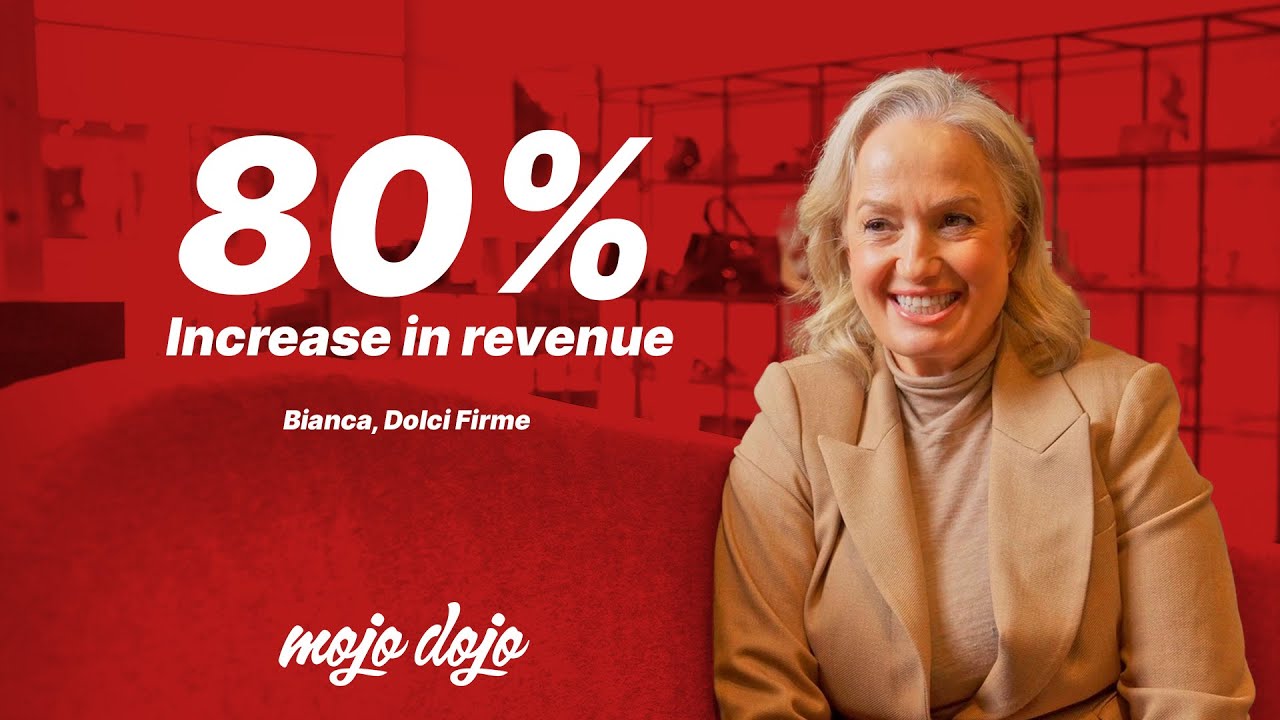
Real Mojo Dojo clients, on the record.
Selling online to a city of five million.
Greater Melbourne was home to 5,435,590 people in mid 2025 and added about 105,000 residents in a single year, the biggest numeric rise of any Australian capital. Most of that growth landed on the outer fringe. Rockbank, Fraser Rise and Mickleham are new suburbs full of households furnishing homes and ordering everything from nappies to garden tools, and they search for it product by product.
That demand is already visible in parcel data. Australia Post ranked Point Cook (3030) third in the country for online shopping volume in 2024, and Fraser Rise topped its list of fastest-growing suburbs. For an online store, these are not abstract numbers. They are the buyers who compare three product pages and pick the one that answers the question, shows stock and ships quickly.
The market is hard because it is crowded. There were 550,957 small businesses in Greater Melbourne in 2023, and national retailers bid on the same category terms as independent labels from Collingwood or Brunswick. More than a third of households speak another language at home, and demand peaks around the spring racing season and the summer tennis. Ecommerce SEO here means choosing the categories you can realistically own, fixing the catalogue so Google can crawl it, and timing content before the seasonal spikes rather than after.
We report on organic revenue and transactions, not rankings alone. If you are new to the discipline, our beginner guide to ecommerce SEO explains the fundamentals.
For the wider picture across the country, see Ecommerce SEO Australia. Our team also works in Sydney, Brisbane, Perth and Adelaide.
Related Melbourne services include Shopify SEO, SEO and Shopify Development. For the full list, see our Melbourne services.
Ecommerce SEO in Melbourne: the market in numbers.
Published figures on population, business density and online shopping. Sources are named under each figure.
Industries we help in Melbourne.
Store owners in these sectors face different catalogue and search problems. Here is how the work changes for each.
Food producers and distributors
Victoria treats food and advanced manufacturing as a priority sector, and the Port of Melbourne moves more containers than any other Australian port. For producers selling direct or wholesale online, we structure product feeds and category pages around pack size, dietary terms and trade buyers.
Events, hospitality and gifting
The Melbourne Cup Carnival generated $468.3 million in 2023 and drives fashion, beauty and gifting searches through October. We build and refresh race-day collections months ahead so those pages have authority when the searches arrive.
Student-facing retail
With about 322,000 international enrolments in Victoria in 2025, semester starts lift demand for phones, homewares and study gear. We target the plain-English and comparison queries new arrivals use, and advise where in-language content is worth it.
Health and wellbeing products
Health care is one of the sectors driving job growth in the city. Supplement, mobility aid and allied health supply stores need accurate product schema and careful claims, and we write category copy that stays within advertising rules.
Technology and electronics
About 62,856 residents worked in computer system design at the 2021 Census, so buyers are informed and compare specs. Spec tables, variant handling and comparison content are where tech stores win or lose these shoppers.
See which Melbourne categories your store could own
Book a strategy session and we will show you the product and category searches with the most organic revenue left on the table, and the seasonal peaks worth preparing for.
What ecommerce SEO does for an online store.
Results from three online stores we have worked with, taken from our published case studies.
How ecommerce SEO is different from standard SEO.
A store has thousands of pages, a changing catalogue and a checkout to protect. A Fitzroy fashion label and a Dandenong wholesaler face the same six structural problems at different scales.
Scale across thousands of URLs
Product, category, filter and pagination pages multiply fast. We decide which pages deserve to rank, which get consolidated and which stay out of the index.
Faceted navigation and duplicate content
Colour, size and price filters can create endless near-duplicate URLs that waste crawl budget. We control them with canonicals, noindex rules and internal linking.
Buying intent, not just search volume
We target the keywords that lead to transactions, such as product, brand and comparison searches, and map each one to the page best placed to convert.
Products that come and go
Out of stock, discontinued and seasonal products need a plan so you keep the equity of the URL and never send a buyer to a dead end.
Product data Google can read
Product schema, review markup, price and availability, plus a clean merchant feed, make your listings eligible for rich results and free shopping placements.
Speed and checkout friction
A slow category page or a clumsy cart cancels out the traffic you earned. We treat page speed and checkout usability as part of SEO.
Get your free ecommerce SEO audit.
Send us your store URL and within 48 hours we will send an ecommerce SEO audit covering crawl waste, category gaps and product page issues, ranked by revenue impact. No calls, no obligations.
What a Melbourne ecommerce SEO engagement includes.
Implementation is part of the work, so you are not left with a report and a developer invoice. Everything below is delivered remotely and tracked in shared reporting.
Ecommerce keyword research. Revenue-weighted research across products, categories, brands and buying questions.
Technical SEO audit and fixes. Crawl, indexation, redirects, canonicals, sitemaps and Search Console issues.
Category page optimisation. Titles, copy, internal links and layout for the pages that carry most of your revenue.
Product page optimisation. Unique descriptions, metadata, images, variants and on-page trust signals.
Structured data. Product, offer, review, breadcrumb and FAQ schema implemented and validated.
Google Merchant Center and shopping feed. Feed clean-up and free listing eligibility, working alongside Google Shopping Ads where you run them.
Content that answers buying questions. Buying guides, comparisons and support content that capture shoppers earlier in the journey.
Internal linking architecture. Hierarchy and links that push authority to your highest margin categories.
Reviews and user generated content. Making customer reviews visible to shoppers and readable by search engines.
Off-page authority. Relevant, earned link building and digital PR for your store.
Site speed and mobile experience. Core Web Vitals, image weight and mobile checkout fixes.
Analytics and revenue reporting. Google Analytics and Tag Manager set up so we can report organic revenue, not just clicks.
Built around your platform and your catalogue.
Every ecommerce platform has its own habits. Shopify generates collection and variant URL patterns that need canonical control. Magento and BigCommerce ship with layered navigation that can flood the index. WooCommerce sites depend heavily on plugin choices and hosting. If you run WooCommerce, see our dedicated WooCommerce SEO service.
We work inside your existing platform and with your developers, or handle the changes ourselves, including structured data, template changes, tag management and feed fixes. As search shifts toward AI answers, we also make sure your product and brand information is structured so assistants can cite it. Read more on AI SEO.
Our ecommerce SEO process, stage by stage.
Five stages, each tied to revenue, with the seasonal calendar built into the roadmap from week one.
Market and revenue research
We study your customers, competitors and margins to find the categories and products worth winning first.
Full site audit
Technical, on-page and content review across templates, so we know exactly what is holding revenue back.
Strategy and roadmap
A prioritised plan ranked by likely revenue impact and effort, agreed with you before work starts.
Implementation
We ship the fixes, content and structured data, coordinating with your developers where needed.
Reporting and iteration
Monthly reporting on organic revenue, transactions and conversion rate, then we double down on what works.
Areas we serve in Melbourne.
We work with online stores across the whole metro area, entirely remotely. Inner-city brands in Carlton, Fitzroy, Collingwood, Richmond and South Yarra tend to sell fashion, homewares and specialty food. Further out, Hawthorn, Balwyn, Box Hill and the Waverleys are home to many family-run importers and retailers.
The west and north are where delivery demand is growing fastest: Footscray, Point Cook, Werribee, Tarneit and Epping. In the south-east we support stores and distributors around Dandenong, Frankston and Ringwood. Whichever suburb you ship from, strategy calls happen over video and progress sits in a shared dashboard.
Ecommerce SEO results from our client portfolio.
Online stores from across our wider client list, shown to illustrate the approach. None are presented as local results.

Babylon Flowers
787% increase in revenue

Avenel Hats
276% increase in revenue

Cosmetic Tattoo Supplies Australia
114% increase in revenue
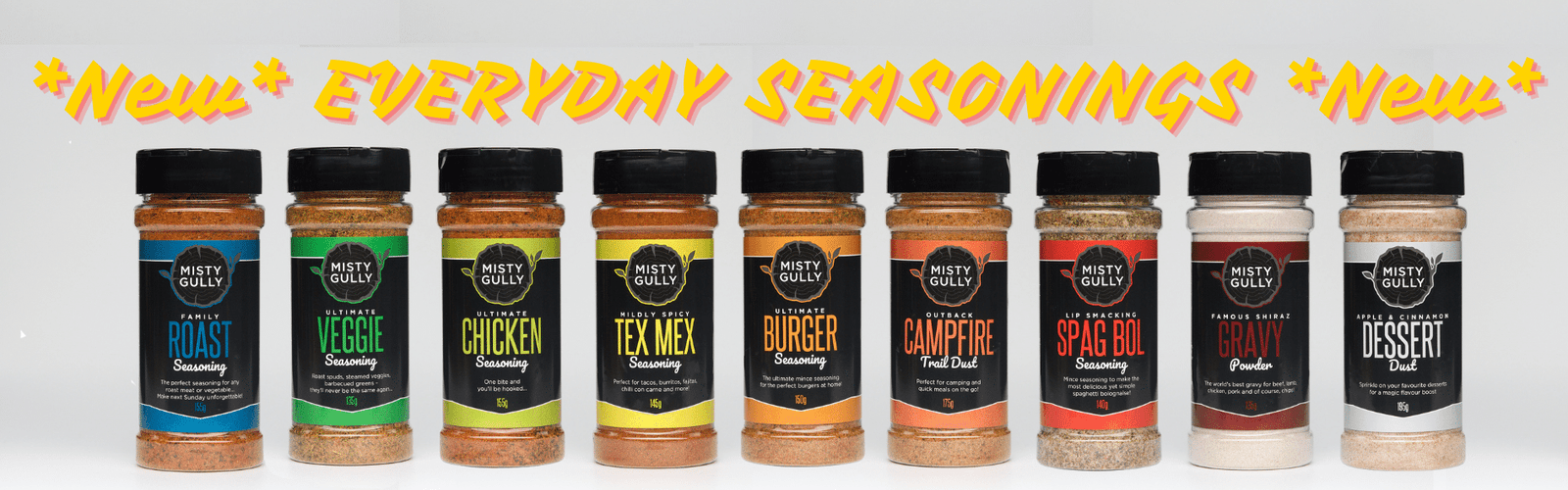
Smoked & Cured
111% increase in organic revenue

Camino Kids
143% increase in conversion rate via organic

Echo Cartons
86.5% Increase In Organic Revenue
“Their team understood our business before we even had to explain it. Enquiries are up 250% and the quality is better than ever.”
The exact framework we use to grow online stores.
Learn how we plan, ship and measure organic revenue growth for ecommerce, the same system behind 787% and 276% year-over-year revenue lifts.
Send me the Ecommerce Playbook →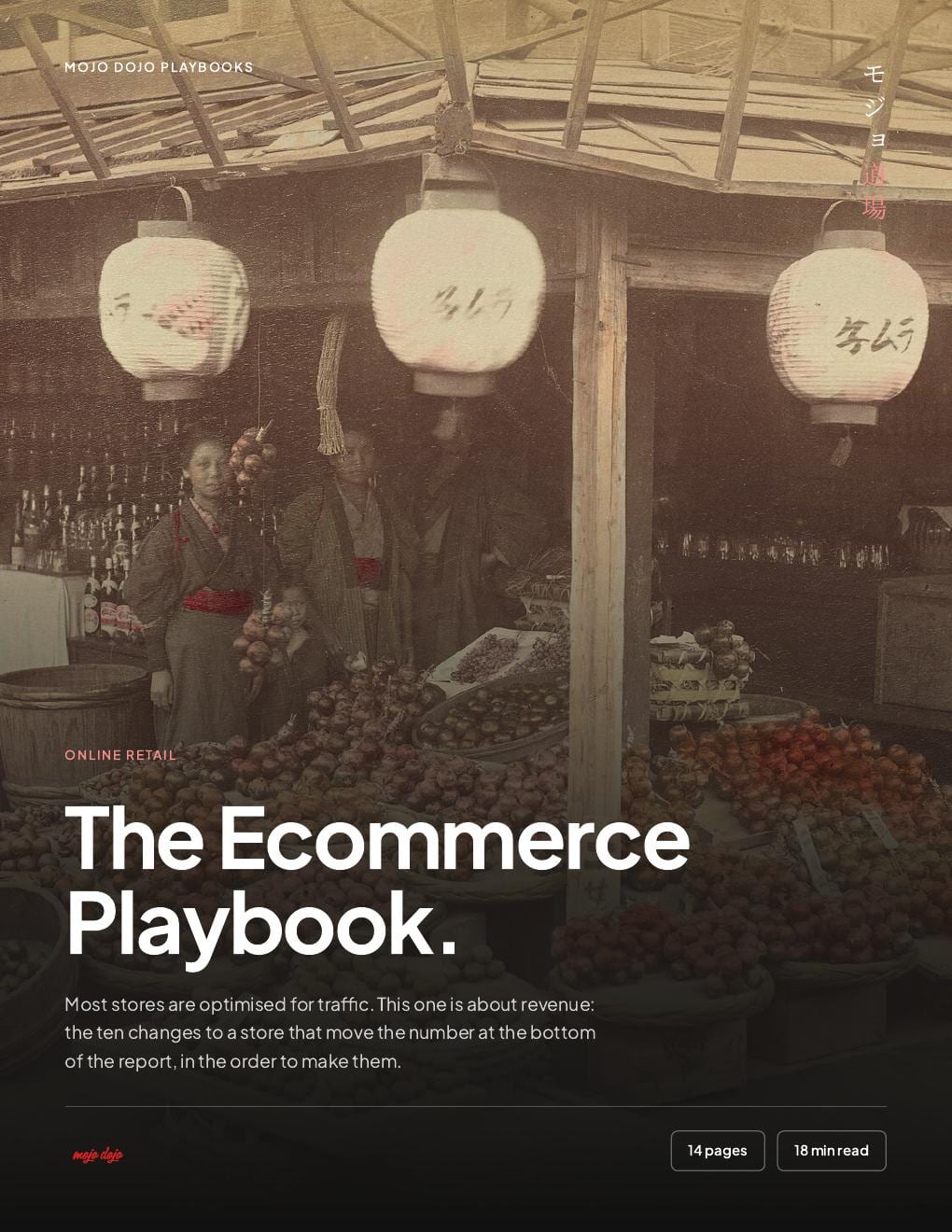
Free. 14 pages. In your inbox. Magic-link delivery, it arrives in about two minutes, and there's no sales call attached to reading it.
Ecommerce SEO questions answered.
The questions store owners ask most, plus three about selling into this market. Contact us →
Do you work with Melbourne businesses?
Yes. We work with online stores here remotely, with strategy sessions over video calls and shared reporting you can check at any time. We do not run a shopfront or meeting space, and store owners tell us they rarely miss one, because the work happens inside your platform and analytics.
What is ecommerce SEO?
Ecommerce SEO is optimising an online store so its product, category and content pages rank in search and turn visitors into buyers. It combines technical SEO for large catalogues, on-page optimisation, content, structured data and link building, measured by organic revenue rather than rankings alone.
How is ecommerce SEO different from regular SEO?
A store has far more pages, a catalogue that changes daily, filters that create duplicate URLs and a checkout that has to convert without any human help. Regular SEO aims for enquiries. Ecommerce SEO aims for transactions, so page targeting, product data and user experience matter as much as rankings.
How important is SEO to my online store?
Organic search is one of the few channels where traffic keeps arriving without paying per click. Stores that rank for buying searches reduce their dependence on paid ads, improve margin, and stop rebuying the same customers every month.
What results can I expect?
It depends on your starting point, catalogue and competition, so we do not promise a figure. For reference, Babylon Flowers grew revenue 787% year over year, Avenel Hats grew revenue 276% year over year, and Cosmetic Tattoo Supplies Australia grew revenue 114% over a 5 month campaign. Each is published in our case studies.
How long does ecommerce SEO take to work?
Technical fixes can affect crawling and indexing within weeks. Ranking and revenue gains usually build over several months, and they compound. Camino Kids lifted its organic conversion rate 143% across a 6 month campaign, and Cosmetic Tattoo Supplies Australia saw revenue up 114% in 5 months.
Who is a good fit for ecommerce SEO?
Stores with a catalogue of real demand in search, a functioning checkout and the appetite to invest for several months. It suits established stores looking to reduce ad dependence and new stores launching product lines that need organic visibility from the start.
Which ecommerce platform is best for SEO?
Any major platform can rank well when configured properly. Shopify, WooCommerce, Magento and BigCommerce each have different strengths and pitfalls around URLs, faceted navigation, speed and structured data. We audit what you have before recommending a change, and we rarely advise migrating for SEO reasons alone.
How do you handle out-of-stock and discontinued products?
It depends on the product. Temporarily out of stock items usually stay live with clear availability markup and related alternatives. Permanently discontinued items are redirected to the closest relevant product or category so the page authority is kept and shoppers never hit a dead end.
Do product reviews help ecommerce SEO?
Yes. Reviews add fresh, unique content to product pages, build trust that lifts conversion, and with review schema can make your listings eligible for rich results. We help you collect them, display them and mark them up correctly.
How do you measure ecommerce SEO success?
By organic revenue, transactions, conversion rate and average order value from organic traffic, tracked in Google Analytics and reviewed with you each month. Rankings and traffic still matter, but they are treated as leading indicators, not the goal.
Why choose Mojo Dojo for ecommerce SEO?
We handle SEO, content, conversion optimisation and paid channels together, so organic gains are not undone by a weak product page or checkout. Our case studies show the outcomes for real online stores, and implementation is included rather than handed back to you as a to-do list.
When should I prepare for spring racing and summer sales?
Earlier than most stores do. Category pages need weeks to be recrawled and months to build authority, so we usually update race-day, gifting and summer collections by August and keep those URLs live all year. A page that disappears after the Cup loses what it earned and starts from scratch next season.
Is it worth targeting growth suburbs like Point Cook?
For stores that deliver, often yes. Australia Post data shows Point Cook among the heaviest online shopping postcodes in the country. We do not create thin suburb pages, but we do make delivery areas, dispatch times and click-and-collect options clear on product and shipping pages, which helps both conversion and relevance.
Get your free ecommerce SEO audit.
Send us your store URL and within 48 hours we will send an ecommerce SEO audit covering crawl waste, category gaps and product page issues, ranked by revenue impact. No calls, no obligations.