

#1 Ecommerce SEO Agency in Sydney
Sydney ecommerce SEO for stores competing in the hardest Australian market to rank in. Sydney's finance and media money funds deep-pocketed competitors, so winning here means owning long-tail product searches and building category authority they cannot buy quickly.
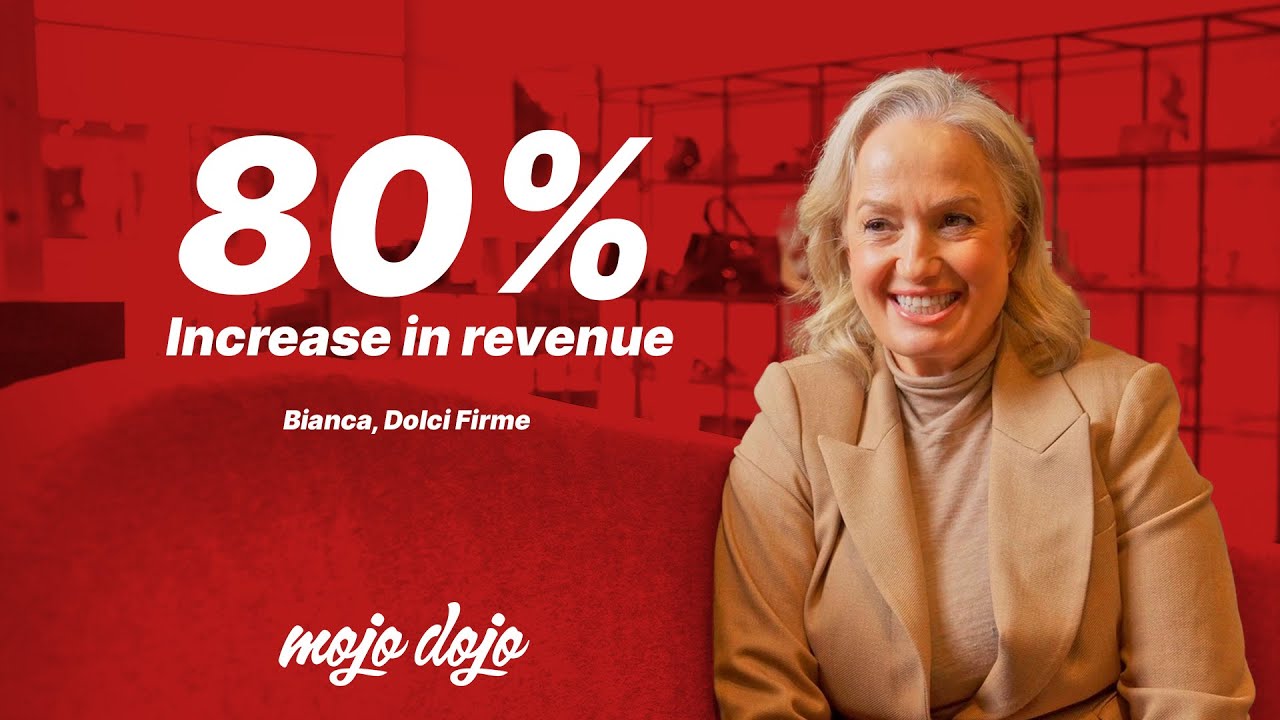
Real Mojo Dojo clients, on the record.
Why product searches are expensive to win here.
Few Australian postcodes order more online per person than 2000 and 2015. Australia Post named the CBD and Alexandria as two of the three top locations in the country by parcel volume per capita in 2024. The same inner-city streets hold warehouses, showrooms and head offices for many of the retailers you are competing with, which is why category results here fill up with household names before an independent store gets a look in.
Money is part of the problem. Median weekly household income across the metro area was $2,077 at the last Census, well above the national $1,746, so retailers with deep budgets fight over the same buyers in paid and organic search. Around 42% of households speak a language other than English at home, and the region behaves like several markets at once: Parramatta, Macquarie Park, the Hills and the south-west each have their own shoppers and delivery expectations.
So we do not try to outspend the giants on head terms. We look for the product, brand and comparison searches where your range is genuinely better, clean up the catalogue so crawl budget goes to pages that sell, and build authority into a small number of categories until they hold. The same thinking applies to timing. Vivid in winter, Mardi Gras in late summer and the end of the financial year each shift what people search for, and pages ranked before those windows open are the ones that get the orders.
Every recommendation is measured against organic revenue, transactions and conversion rate. For the basics, start with our beginner guide to ecommerce SEO.
This page covers Sydney; for the national picture see Ecommerce SEO Australia. Operating in other cities? See Melbourne, Brisbane, Perth and Adelaide.
In Sydney we also work on Shopify SEO, SEO and Shopify Development. Browse all Sydney services.
Ecommerce SEO in Sydney: who you are selling to.
Four published indicators of market size, spending power and language mix, each with its source.
Industries we help in Sydney.
Different sectors, different catalogues. What ecommerce SEO looks like for five of the region’s biggest industries.
Wholesale, manufacturing and logistics
The Southern Enterprise precinct around Alexandria holds about half of the local manufacturing jobs. For B2B suppliers with trade catalogues, we build category structures around part numbers, specifications and bulk terms that buyers actually type.
Tourism, gifts and experiences
International visitors spent $12.2 billion in the year ending March 2025. Stores selling souvenirs, experiences and gift vouchers need pages indexed well before the cruise and summer peaks, with shipping terms spelt out for overseas buyers.
Technology hardware and accessories
Computer system design employed 75,278 residents in 2021. That audience reads specs closely, so we focus on variant handling, comparison pages and structured data for compatibility, stock and price.
Medical and health supplies
Hospitals were the largest single employer of residents at the 2021 Census, at 98,480 people. Online suppliers of scrubs, consumables and equipment need precise product data and restrained, compliant category copy.
Products for international students
NSW hosts 39% of Australia’s international students. Retailers of furniture, electronics and kitchen basics can capture semester-start demand with buying guides and landing collections that answer newcomers’ questions.
Find the product searches your Sydney rivals have missed
In a strategy session we map the categories where your range can outrank bigger brands, and estimate the organic revenue each one could add.
What ecommerce SEO does for an online store.
Results from three online stores we have worked with, taken from our published case studies.
How ecommerce SEO is different from standard SEO.
A store has thousands of pages, a changing catalogue and a checkout to protect. In a market dominated by national chains, getting these six fundamentals right is how an independent store earns its place.
Scale across thousands of URLs
Product, category, filter and pagination pages multiply fast. We decide which pages deserve to rank, which get consolidated and which stay out of the index.
Faceted navigation and duplicate content
Colour, size and price filters can create endless near-duplicate URLs that waste crawl budget. We control them with canonicals, noindex rules and internal linking.
Buying intent, not just search volume
We target the keywords that lead to transactions, such as product, brand and comparison searches, and map each one to the page best placed to convert.
Products that come and go
Out of stock, discontinued and seasonal products need a plan so you keep the equity of the URL and never send a buyer to a dead end.
Product data Google can read
Product schema, review markup, price and availability, plus a clean merchant feed, make your listings eligible for rich results and free shopping placements.
Speed and checkout friction
A slow category page or a clumsy cart cancels out the traffic you earned. We treat page speed and checkout usability as part of SEO.
Request a free ecommerce SEO audit.
Share your store URL and within 48 hours we will send a store SEO audit showing which categories leak crawl budget, which product pages underperform and where the quickest revenue gains are. No calls, no obligations.
Inside our ecommerce SEO service for Sydney stores.
Implementation is part of the work, so you are not left with a report and a developer invoice. We scope each item to the categories where you can realistically outrank bigger rivals.
Ecommerce keyword research. Revenue-weighted research across products, categories, brands and buying questions.
Technical SEO audit and fixes. Crawl, indexation, redirects, canonicals, sitemaps and Search Console issues.
Category page optimisation. Titles, copy, internal links and layout for the pages that carry most of your revenue.
Product page optimisation. Unique descriptions, metadata, images, variants and on-page trust signals.
Structured data. Product, offer, review, breadcrumb and FAQ schema implemented and validated.
Google Merchant Center and shopping feed. Feed clean-up and free listing eligibility, working alongside Google Shopping Ads where you run them.
Content that answers buying questions. Buying guides, comparisons and support content that capture shoppers earlier in the journey.
Internal linking architecture. Hierarchy and links that push authority to your highest margin categories.
Reviews and user generated content. Making customer reviews visible to shoppers and readable by search engines.
Off-page authority. Relevant, earned link building and digital PR for your store.
Site speed and mobile experience. Core Web Vitals, image weight and mobile checkout fixes.
Analytics and revenue reporting. Google Analytics and Tag Manager set up so we can report organic revenue, not just clicks.
Built around your platform and your catalogue.
Every ecommerce platform has its own habits. Shopify generates collection and variant URL patterns that need canonical control. Magento and BigCommerce ship with layered navigation that can flood the index. WooCommerce sites depend heavily on plugin choices and hosting. If you run WooCommerce, see our dedicated WooCommerce SEO service.
We work inside your existing platform and with your developers, or handle the changes ourselves, including structured data, template changes, tag management and feed fixes. As search shifts toward AI answers, we also make sure your product and brand information is structured so assistants can cite it. Read more on AI SEO.
How the work runs, from research to reporting.
Five stages, each tied to revenue. Milestones are reviewed on video calls and results live in a shared dashboard.
Market and revenue research
We study your customers, competitors and margins to find the categories and products worth winning first.
Full site audit
Technical, on-page and content review across templates, so we know exactly what is holding revenue back.
Strategy and roadmap
A prioritised plan ranked by likely revenue impact and effort, agreed with you before work starts.
Implementation
We ship the fixes, content and structured data, coordinating with your developers where needed.
Reporting and iteration
Monthly reporting on organic revenue, transactions and conversion rate, then we double down on what works.
Areas we serve in Sydney.
Online retailers from Surry Hills, Redfern, Newtown and Pyrmont through to Bondi Junction and Manly work with us, as do wholesalers and 3PL-backed brands in Alexandria. North of the harbour we support stores around Chatswood and Macquarie Park.
Western and south-western businesses make up a growing share of our work: Parramatta, Blacktown, Merrylands, Bankstown, Liverpool, Campbelltown and Penrith, plus the fast-growing Hills suburbs of Castle Hill, Bella Vista, Baulkham Hills, Box Hill and Marsden Park. Hurstville and Cronulla round out the south. Everything runs remotely, with video calls and shared reports.
Ecommerce SEO results across our clients.
A selection of online stores we have worked with in Australia and beyond. They show the method, not a promise of identical outcomes.

Babylon Flowers
787% increase in revenue

Avenel Hats
276% increase in revenue

Cosmetic Tattoo Supplies Australia
114% increase in revenue
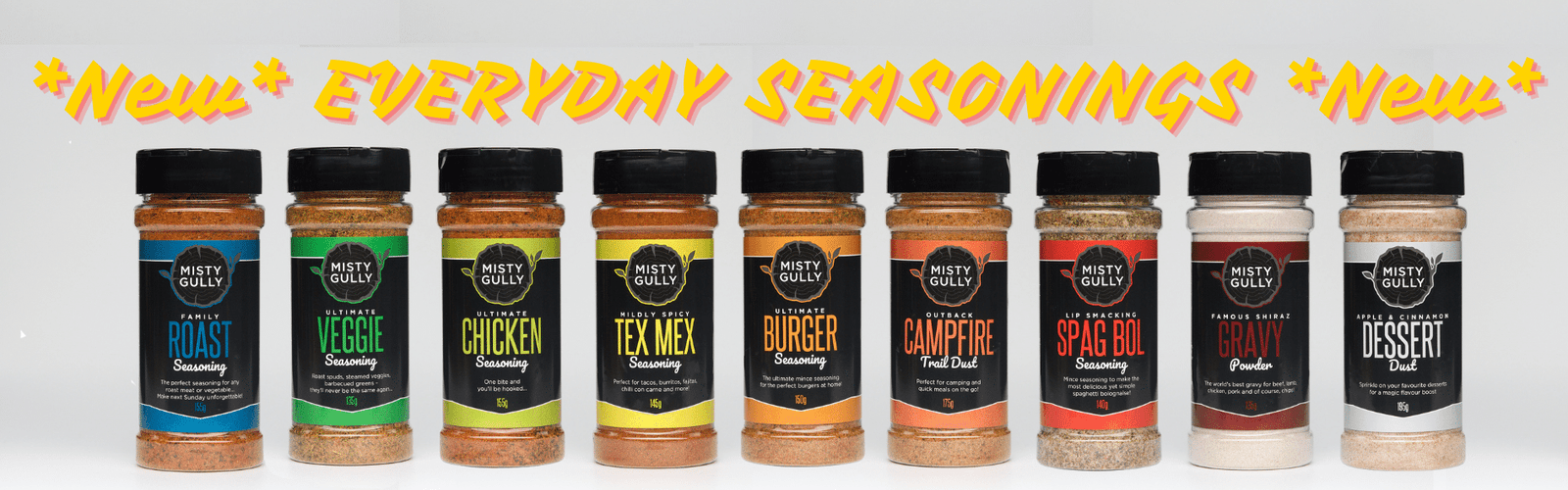
Smoked & Cured
111% increase in organic revenue

Camino Kids
143% increase in conversion rate via organic

Echo Cartons
86.5% Increase In Organic Revenue
“Their team understood our business before we even had to explain it. Enquiries are up 250% and the quality is better than ever.”
The exact framework we use to grow online stores.
Learn how we plan, ship and measure organic revenue growth for ecommerce, the same system behind 787% and 276% year-over-year revenue lifts.
Send me the Ecommerce Playbook →
Free. 14 pages. In your inbox. Magic-link delivery, it arrives in about two minutes, and there's no sales call attached to reading it.
Ecommerce SEO: common questions.
Everything store owners usually ask, with a few answers for this particular market. Contact us →
Can you help Sydney online stores without meeting in person?
Yes, and that is how we work with every client. Kick-off, strategy reviews and monthly check-ins happen over video calls, and you get shared reporting on organic revenue, rankings and fixes shipped. There is no Mojo Dojo premises to visit, and none is needed for the work.
What is ecommerce SEO?
Ecommerce SEO is optimising an online store so its product, category and content pages rank in search and turn visitors into buyers. It combines technical SEO for large catalogues, on-page optimisation, content, structured data and link building, measured by organic revenue rather than rankings alone.
How is ecommerce SEO different from regular SEO?
A store has far more pages, a catalogue that changes daily, filters that create duplicate URLs and a checkout that has to convert without any human help. Regular SEO aims for enquiries. Ecommerce SEO aims for transactions, so page targeting, product data and user experience matter as much as rankings.
How important is SEO to my online store?
Organic search is one of the few channels where traffic keeps arriving without paying per click. Stores that rank for buying searches reduce their dependence on paid ads, improve margin, and stop rebuying the same customers every month.
What results can I expect?
It depends on your starting point, catalogue and competition, so we do not promise a figure. For reference, Babylon Flowers grew revenue 787% year over year, Avenel Hats grew revenue 276% year over year, and Cosmetic Tattoo Supplies Australia grew revenue 114% over a 5 month campaign. Each is published in our case studies.
How long does ecommerce SEO take to work?
Technical fixes can affect crawling and indexing within weeks. Ranking and revenue gains usually build over several months, and they compound. Camino Kids lifted its organic conversion rate 143% across a 6 month campaign, and Cosmetic Tattoo Supplies Australia saw revenue up 114% in 5 months.
Who is a good fit for ecommerce SEO?
Stores with a catalogue of real demand in search, a functioning checkout and the appetite to invest for several months. It suits established stores looking to reduce ad dependence and new stores launching product lines that need organic visibility from the start.
Which ecommerce platform is best for SEO?
Any major platform can rank well when configured properly. Shopify, WooCommerce, Magento and BigCommerce each have different strengths and pitfalls around URLs, faceted navigation, speed and structured data. We audit what you have before recommending a change, and we rarely advise migrating for SEO reasons alone.
How do you handle out-of-stock and discontinued products?
It depends on the product. Temporarily out of stock items usually stay live with clear availability markup and related alternatives. Permanently discontinued items are redirected to the closest relevant product or category so the page authority is kept and shoppers never hit a dead end.
Do product reviews help ecommerce SEO?
Yes. Reviews add fresh, unique content to product pages, build trust that lifts conversion, and with review schema can make your listings eligible for rich results. We help you collect them, display them and mark them up correctly.
How do you measure ecommerce SEO success?
By organic revenue, transactions, conversion rate and average order value from organic traffic, tracked in Google Analytics and reviewed with you each month. Rankings and traffic still matter, but they are treated as leading indicators, not the goal.
Why choose Mojo Dojo for ecommerce SEO?
We handle SEO, content, conversion optimisation and paid channels together, so organic gains are not undone by a weak product page or checkout. Our case studies show the outcomes for real online stores, and implementation is included rather than handed back to you as a to-do list.
How can a smaller store compete with national retailers here?
By choosing ground they are not defending. Big chains rank on broad category terms with brand authority. Independents win on specific product, material, size and comparison searches, on deeper buying guides, and on faster, cleaner product pages. We pick a handful of categories and build them until they hold, rather than spreading effort thin.
Should I publish content in languages other than English?
Sometimes. With about 42% of households using another language at home, some categories have real demand in Mandarin, Arabic or Cantonese. We check search demand and your ability to serve those customers first, then set up translated pages with correct hreflang rather than machine-translated copies.
Request a free ecommerce SEO audit.
Share your store URL and within 48 hours we will send a store SEO audit showing which categories leak crawl budget, which product pages underperform and where the quickest revenue gains are. No calls, no obligations.