

Google Ads Agency in Melbourne
Melbourne Google Ads run by the team that helped one Australian retailer become the country's number-one in its category in under 5 years. We manage Search, Performance Max, Shopping, and remarketing for Melbourne businesses.
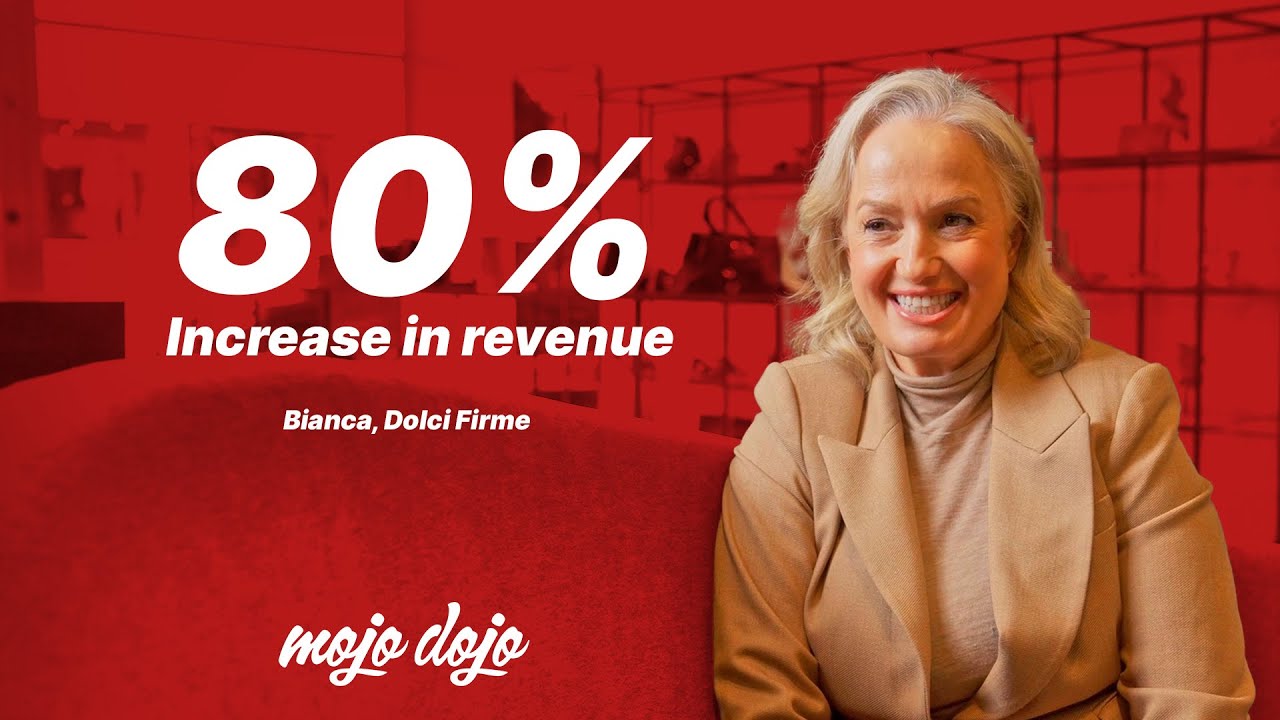
Real Mojo Dojo clients, on the record.
Why Google Ads is harder to get right in a city this size.
At 30 June 2023 there were 550,957 small businesses across the greater metro area, and about two thirds of them were sole operators. Add national brands and interstate advertisers chasing the same customers, and most common service keywords here are crowded, contested auctions. The advertisers who stay profitable are rarely the ones spending most. They are the ones who know exactly which searches, suburbs and hours turn into customers.
Knowledge work sets the tone in the centre. Professional services, finance and health made up 46% of jobs in the City of Melbourne municipality in 2024 and supplied 61,700 of its 72,000 new jobs since 2019. Those are high-value, often regulated categories, where one qualified enquiry can be worth more than a week of clicks and where ad copy has to respect sector rules.
Out on the fringe the challenge is different. The outer west and north recorded the largest population growth in the country in 2024-25, led by Rockbank - Mount Cottrell, Fraser Rise - Plumpton and Mickleham - Yuroke, and more than a third of households speak a language other than English at home. A tradie in Tarneit and a migration adviser in Box Hill need very different targeting. If you already run campaigns, start with a Google Ads audit. If you are deciding how paid and organic fit, see our SEO work and our wider PPC management services.
This page covers Melbourne; for the national picture see Google Ads Australia. We also provide Google Ads in Sydney, Brisbane, Perth and Adelaide.
Related Melbourne services include PPC Management, Facebook Ads and SEO. See all of our Melbourne services.
Google Ads in Melbourne, by the numbers.
Sourced figures on the size of the audience and the competition. Every card names where the number comes from.
Industries we help in Melbourne.
Six sectors that make up much of the local economy, and the Google Ads work each one needs.
Professional and technical services
The largest employer in the municipality. For consultancies, law firms and engineers we build Search campaigns on specific practice areas, import offline conversions from the CRM and bid towards signed clients rather than raw form fills.
Finance and insurance
The fastest-growing sector in the municipality since 2019. We handle Google's financial services verification, keep ad copy compliant, and separate brand, product and comparison terms so each has a clear cost per application.
Health and allied health
Clinics and practices win on nearby searches. We run suburb-level Search with call tracking and booking conversions, and write copy that stays inside Google's healthcare policies and AHPRA guidance.
International education
About 322,000 international enrolments in Victoria in 2025. Providers and student services need campaigns timed to February and July intakes, with language and country targeting set per market.
Hospitality and events
Venues and restaurants plan spend around the Australian Open in January, the Grand Prix in March and the Cup Carnival in November, with ad schedules and seasonality adjustments rather than a flat daily budget.
Manufacturing, food and logistics
B2B manufacturers and distributors near the country's largest container port search on narrow technical terms. We use exact and phrase match, manual bidding and remarketing to stay in front of buyers through long quotes.
Is your Melbourne Google Ads account paying for the wrong clicks?
Book a strategy session and we will look at your search terms, location settings and conversion tracking, and show you where the budget is leaking.
What managed Google Ads does for the numbers.
Paid media results taken from our published case studies. Every account is different, so treat these as examples, not promises.
Where Google Ads accounts lose money.
The six leaks we find most often when we open an account, plus two that are especially common in a large, multilingual metro market.
Conversions are counted wrongly
Duplicate conversion actions, reloaded thank-you pages and missing call tracking make an account look better or worse than it is, and Smart Bidding then learns from bad data.
Measurement is fixed first
We audit every conversion action, remove duplicates, add call and form tracking through Google Tag Manager and feed real lead or sale value back to Google where we can.
Ads show for the wrong searches
Broad and phrase match can trigger ads on loosely related queries, so budget goes to clicks that were never going to buy.
Search terms reviewed continually
We mine search term reports, add negative keywords, tighten match types and keep watching close variants, so spend follows real intent.
Brand searches flatter the results
Brand terms convert cheaply, and when they share a campaign with generic terms the average hides what new customers really cost.
Brand and non-brand kept apart
We separate brand from non-brand so you can see the true cost of winning a customer who did not already know you.
One English campaign for a multilingual city
More than a third of households use a language other than English at home, yet most accounts run a single English campaign and leave Mandarin, Vietnamese or Greek speaking customers to competitors.
Language and audience targeting set deliberately
Where the demand justifies it, we build separate campaigns with in-language ads and landing pages, and measure them on their own cost per lead.
Automation with no guardrails
Performance Max can spend across every Google channel while reporting little about where the money went, especially with weak assets and vague goals.
Performance Max with signals and limits
We build it with clear conversion goals, strong assets, audience signals and brand exclusions, then review channel and search category reports.
Clicks sent to the homepage
Landing page experience feeds Quality Score, and a generic page loses buyers who came for something specific.
A page for every campaign theme
We match each campaign to a focused page and test headlines, forms and layouts with our conversion rate optimisation team.
Bid strategy chosen too early
Target CPA or target ROAS set before an account has enough conversions leaves Google's models guessing.
Strategy follows the data
We start conservatively, collect clean conversion data and move to automated bidding as volume allows.
The same bid for Carlton and Werribee
A metro area this spread out has very different competition and travel times from one side to the other, but many accounts treat it as one location.
Location bids by suburb performance
We split targeting by region, review location reports monthly and shift budget and bids towards the suburbs where you convert at the right cost.
Google Ads campaign types we manage.
We choose the mix from your margins and buyers. An inner-city fashion label might lean on Shopping, a western suburbs plumber on call-focused Search.
Search campaigns
Capture people already searching for what you sell, with full control of keywords, match types, negatives and ad copy.
Shopping campaigns
Product feeds and campaigns for online stores, with feed clean-up and margin-based structure. See Google Shopping Ads.
Performance Max
One campaign across Search, Shopping, YouTube, Display, Discover, Gmail and Maps, built with the right asset groups and audience signals. See Performance Max.
Display and Demand Gen
Visual reach and prospecting for audiences earlier in the buying journey. See Google Display Ads.
Remarketing
Audiences built from real site behaviour to win back visitors who did not convert. See Google remarketing.
Get your free Google Ads audit.
Send us your website and within 48 hours we will return a Google Ads audit covering wasted spend, tracking gaps and suburb targeting. No calls and no obligations.
Our Google ads management results
Google ads performance is based on three factors: ad text relevance, user search term to ad relevance & landing page relevance.
Higher ad quality generally leads to better performance.
This improvement in performance is measured as better ad positions and lower cost per click.
Let us show you how…
A prominent audio visual company returned $25 for every dollar spent. For a meager spend of $1800, the campaign generated $47,000 in revenue.
A prominent linen manufacturer with a $8.91 return for every $1 spent on ads. A $63K in revenue from Google ads based on a $7K spend.
A prominent cooking business returned $12.89 for every dollar spent. A 12.89 ROAS and a $13,000 return for a simple $1000 ad spend.
A very prominent collectibles company returning $171K for a $5600 in spend. A return of $30 for every dollar spent.
Another catering company having a $21 return for every dollar spent. A revenue of $170,000 for a spend of $7700.
And if you think, we don’t even have that kind of ad spend.
Would this even work for us ?
Here is a shot from a cleaning business that obtained a lead for every $11.45.
Just for a $2800 spend, they managed to have 250 leads.
How the Google Ads auction decides who wins.
Each time someone searches, Google runs an auction to decide which ads appear and in what order. Position depends on Ad Rank, which combines your bid with the quality of your ads and landing page and the context of the search. That is why the highest bidder does not always win, and why a relevant ad on a fast page can cost less per click than a poor one.
Quality Score, a 1 to 10 diagnostic in the account, shows how well your keyword, ad and landing page fit together through expected click-through rate, ad relevance and landing page experience. We treat it as a guide, not a goal. The goal is profitable customers.
Smart Bidding strategies such as Maximise conversions, Target CPA and Target ROAS use auction-time signals that no person could adjust by hand. They are only as good as the conversion data you feed them, which is why we fix tracking first and pick each strategy for where an account is in its life.
That is good news in a crowded market. Big advertisers with large budgets often run broad, generic ads. A smaller business with a tightly matched ad and a fast, specific landing page can hold a strong position for less per click, as long as someone keeps the relevance high every week.
What our Google Ads management includes.
Twelve disciplines, run together every month. Leave one out, and the others start to underperform.
Account and tracking audit. A full review of any existing account, conversion actions and data quality before budget moves.
Keyword and competitor research. Intent-led research into the searches most likely to become customers and how competitors show up for them.
Account structure. Campaigns split by budget, network and intent, with tightly themed ad groups so keyword, ad and landing page stay relevant.
Ad copy and asset testing. Headlines, descriptions and assets written for the searcher and tested against each other, with every result logged.
Bid strategy and budget control. Manual and Smart Bidding chosen for the stage of the account, with budgets and pacing set against your targets.
Search term and negative keyword control. Ongoing removal of wasted queries and protection of your brand terms.
Performance Max management. Asset groups, audience signals, conversion goals and exclusions set up so Google's automation aims at outcomes that matter.
Shopping feed optimisation. Titles, images, categories and margin labels improved so products win the right auctions.
Remarketing audiences. Full-funnel lists for middle and bottom of funnel visitors, with messaging matched to where they are in the buying journey.
Landing page recommendations. Pages reviewed for message match, speed and form friction, with testing alongside our CRO team.
Conversion and call tracking. Form, call and sales tracking set up and checked so reported results can be trusted.
Reporting and review. Weekly snapshots and a monthly review of leads, revenue, ROAS and next steps.
Our process, step by step.
Six stages from audit to monthly review, delivered over video calls with reporting you can check whenever you like. Nothing changes in your account without a note explaining why.
Account audit
If you have an existing account, we identify wasted spend, structural issues, missing conversion tracking and untapped opportunities. New accounts start with competitor and keyword research.
Strategy and build
Campaign architecture designed around your goals, with ad copy written, landing pages reviewed and tracking verified before a single dollar of budget goes live.
Launch and data gathering
Campaigns go live. The first weeks focus on collecting search terms, device performance and audience behaviour, with bidding kept conservative until conversion data builds.
Learning phase review
Once Google's bidding models have enough data, we check that the strategy is stabilising and move to automated bidding where the numbers support it.
Optimise and scale
Regular cycles of bid adjustments, copy testing, landing page improvements, audience expansion and budget scaling. Every change is logged and measured against a clear benchmark.
Reporting and review
Weekly snapshots and a monthly deep-dive on leads, revenue and return on ad spend, then a plan for the month ahead.
Timing your spend around the city's big events.
Summer and spring bring the largest crowds. The Australian Open drew a record 1,218,831 people in 2025, the Formula 1 Grand Prix at Albert Park recorded 465,498 attendees across four days, and the Cup Carnival at Flemington generated $468.3 million in gross economic benefit in 2023. Fashion, beauty, hospitality and accommodation searches rise sharply around each one.
We treat them as planned peaks. Budgets and seasonality adjustments are agreed a month ahead, event-specific ads are written and approved early, and ad schedules follow the hours when people book. After each event, spend comes back down so the extra budget does not leak into weaker weeks.
Education providers and student services have their own calendar, with February and July intakes, and B2B advertisers see budget decisions cluster before the 30 June year end. We build each account's calendar from those dates and from your own conversion history.
Google Ads and SEO work best together.
Google Ads buys visibility now. SEO earns it over months and carries no cost per click. Paid search shows which keywords and messages convert, and that data tells the organic programme where to aim. Organic rankings in turn lower your dependence on paid clicks over time.
The same goes for other channels. If your buyers also spend time on social platforms, our Facebook Ads team can run them under one reporting view, and our PPC management services cover every paid platform together. For sites that already send traffic but convert poorly, conversion rate optimisation often lifts results faster than more spend.
In a market this competitive, paid search data is especially useful to SEO. Knowing which suburb and service terms convert at a profitable cost tells the organic programme where to build pages first, and those pages then reduce how much you have to pay for the same clicks.
Areas we serve in Melbourne.
We manage campaigns for businesses from the CBD and inner north, Carlton, Fitzroy, Collingwood and Brunswick, across to Richmond, South Yarra, St Kilda and Hawthorn. In the east our clients' service areas take in Balwyn, Box Hill, Mount Waverley, Glen Waverley and Ringwood, and in the south-east Dandenong and Frankston.
To the west we cover Footscray, Point Cook, Werribee and Tarneit, and to the north Epping and the growth suburbs beyond it. We work with all of them remotely, over video calls and shared reports, and we target each campaign to the suburbs you actually serve.
Suburb names do most of the work in search here. People look for a dentist in Brunswick or a builder in Tarneit rather than typing the city, and they often describe regions, the inner north, the south-east, the western suburbs, instead. We mirror that in the account: ad groups and ad copy that name the area, location bid adjustments by region, and monthly reports that show where each lead came from.
Google Ads results from our wider client base.
Published paid media outcomes for Australian businesses across several industries. They illustrate our approach, not results in any single city.

Bfree
1000% Increase in Sales
House & Trade Supplies
118% increase in Organic Revenue

downies collectables
105% Increase in Paid Traffic

Linen House
109% Increase in Paid Revenue
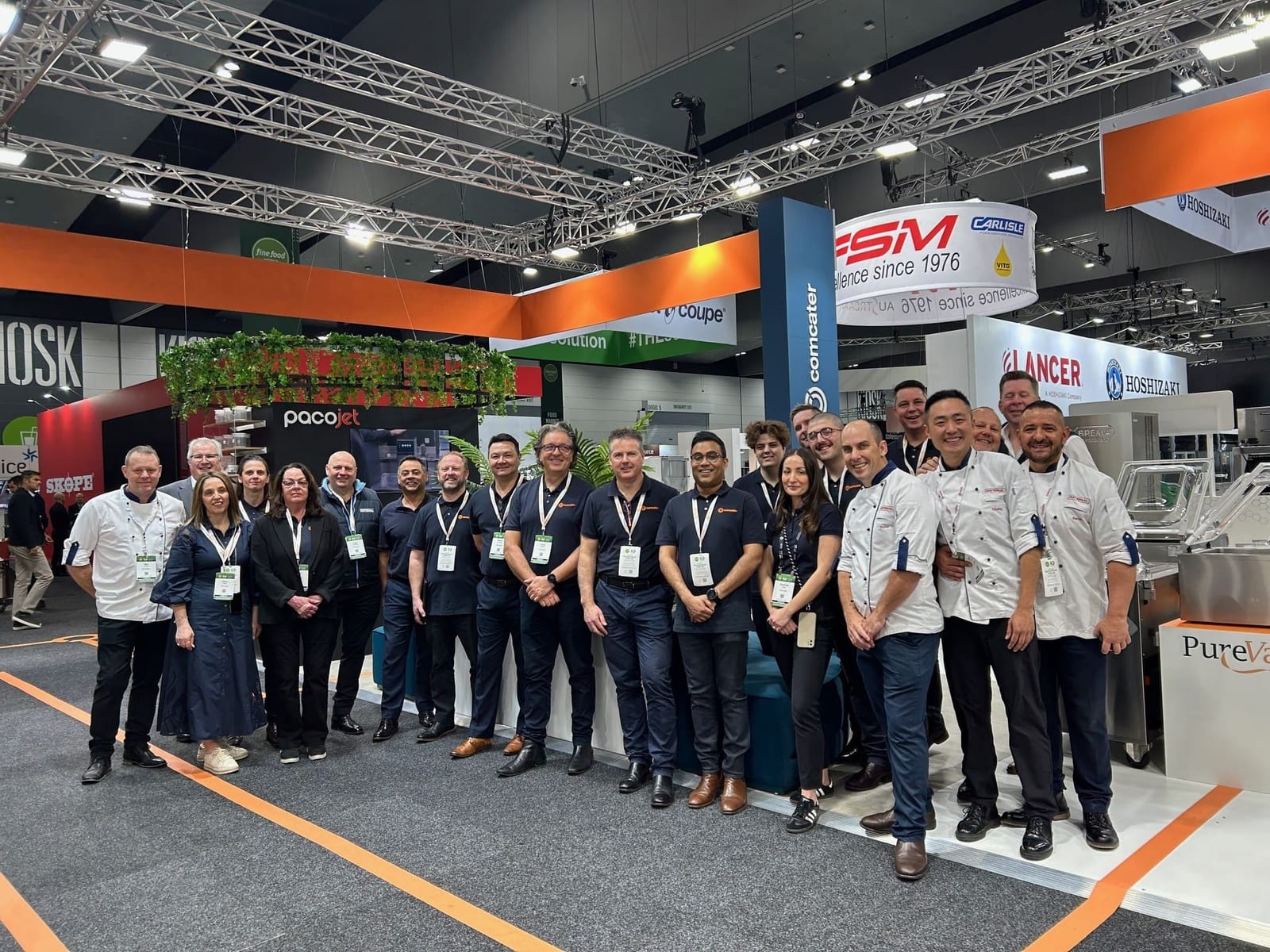
Comcater
54% Increase in New Users

Arise Solar
700% Increase In Brand Searches
“Their team understood our business before we even had to explain it. Enquiries are up 250% and the quality is better than ever.”
Outsmart competitors instead of outspending them.
What nine years and $32 million of Google Ads taught us about outsmarting competitors instead of outspending them. One client, five ideas that transfer to any account.
Send me the PPC Playbook →
Free. 12 pages, 14 min read. In your inbox. Magic-link delivery, it arrives in about two minutes, and there's no sales call attached to reading it.
Do you work with Melbourne businesses?
Yes, and we do it remotely. Strategy sessions and monthly reviews run over video calls, and you have shared reporting that shows spend, conversions and the search terms behind them. All the work happens inside your own Google Ads account, so you can see every change we make.
What does a Google Ads management agency do?
It plans, builds, runs and reports on your Google Ads account. That covers keyword and audience research, account structure, ad copy, bidding, conversion tracking, landing page advice and regular reporting, so that ad spend is judged on leads and revenue rather than clicks.
How long does it take to see results from Google Ads?
Unlike SEO, Google Ads produces traffic from day one. It typically takes 30 to 60 days for an account to exit the learning phase and for bidding strategies to stabilise. The first 30 days are data gathering, days 30 to 90 are optimisation, and by month three or four you should have a clear picture of your true cost per lead or ROAS at scale. Accounts with existing conversion history tend to accelerate faster than new ones.
What is a good ROAS for Google Ads?
It depends on your margins. A business with high gross margins can be profitable at a modest return on ad spend, while a business with thin margins needs a much higher one just to break even. The useful question is not what a good ROAS is but what your break-even ROAS is and what you need to hit your growth targets. We calculate that with you before setting bidding targets. For a real example, Downies Collectables grew ROAS by 1209% while ad spend rose 387%.
Should we run Google Ads in languages other than English?
Sometimes. If a meaningful share of your customers search in Mandarin, Vietnamese, Greek, Punjabi or Arabic, a separate campaign with in-language ads and a matching landing page usually converts better than English ads alone. We check search demand and your ability to serve customers in that language before recommending it.
What is Performance Max and should I use it?
Performance Max is Google's automated campaign type that runs across Search, Shopping, YouTube, Display, Discover, Gmail and Maps from a single campaign. It works well when it is fed strong first-party audience signals, quality assets and clear conversion goals, and it wastes budget when it is not. We use it for most ecommerce clients. For lead generation we are more selective, because quality control needs more active management than Search alone. See our Performance Max service.
Which Google Ads campaign types do you manage?
Search, Shopping, Performance Max, Display, YouTube video, Demand Gen and remarketing. We recommend a mix after learning your margins, sales cycle and buyers rather than a fixed package.
How do you measure success?
By what the account returns to your business: leads, sales, revenue, cost per lead and ROAS. We verify conversion tracking first, including calls and form fills, so the numbers in reports can be trusted. You get weekly snapshots and a monthly review that compares results against the benchmark we set at the start.
Can you audit my existing Google Ads account?
Yes. We review conversion tracking, account structure, search terms, match types, bidding, ad copy and landing pages, then show you where money is being wasted and what to fix first. Ask for our Google Ads audit or use the free audit form on this page.
Do I own my Google Ads account?
Yes, always. We build campaigns inside your own Google Ads account, which you own and can access at any time. If we ever part ways, the campaign history, audiences and conversion data stay with you.
Do you manage both ecommerce and lead generation accounts?
Yes. Ecommerce accounts lean on Shopping and Performance Max with a clean product feed. Lead generation accounts lean on Search, call tracking and lead quality feedback so bidding aims at real enquiries rather than form spam.
Can Google Shopping target the suburbs we deliver to?
Yes. Shopping and Performance Max campaigns can be limited to the postcodes or regions you ship to, and your product feed's shipping settings should match, so shoppers see accurate delivery costs. Point Cook was one of the top three locations in Australia for online shopping parcel volume in 2024 and Fraser Rise the fastest growing, so we often give them their own location bid adjustments and watch return on ad spend there separately.
Is Google Ads better than SEO?
Neither is better. Google Ads gives you visibility and data quickly and you control who sees the ad. SEO takes longer to build but adds durable visibility with no cost per click. Most businesses do best running both, each informing the other. Our guide to SEO vs PPC vs SEM goes through the trade-offs.
Get your free Google Ads audit.
Send us your website and within 48 hours we will return a Google Ads audit covering wasted spend, tracking gaps and suburb targeting. No calls and no obligations.