

#1 AI SEO Agency in Melbourne
Melbourne AI SEO that combines AI-driven keyword research, content optimisation and technical fixes to lift rankings in Australia's most competitive digital market. Fashion, food and arts brands here fight for every position, so AI-assisted search gives Melbourne businesses the edge they need to stand out.
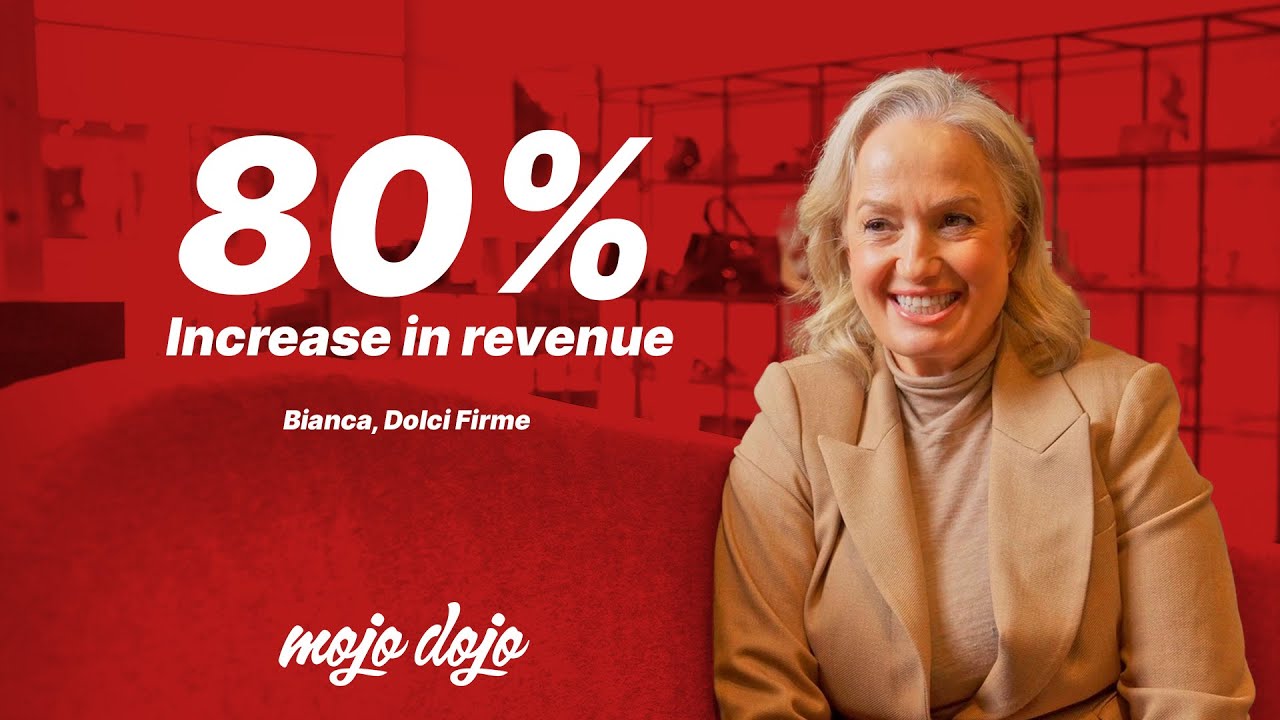
Real Mojo Dojo clients, on the record.
Half a million small businesses, and an answer box that names three.
Greater Melbourne had 550,957 small businesses at 30 June 2023. In classic search, a crowded category still offers ten links and a map pack. In an AI answer, a buyer asking for "a good employment lawyer in Richmond" or "a Box Hill accountant who speaks Mandarin" usually sees two or three names. Being one of them depends less on who has the biggest budget and more on whose facts are clearest, most consistent and best corroborated across the web.
The knowledge economy is where this bites first. Professional services, finance and insurance, and health care made up 46% of jobs in the City of Melbourne municipality in 2024, and delivered 61,700 of the 72,000 local jobs added since 2019. These are exactly the high-consideration purchases people now research inside ChatGPT, Perplexity and Google's AI Mode before they ever fill in a form.
The audience is also unusually varied. At the 2021 Census, 37.7% of households used a language other than English at home, led by Mandarin, Vietnamese, Greek, Punjabi and Arabic. Assistants answer in the language they are asked, and they draw on whatever sources exist in that language. Firms that publish clear in-language pages give AI tools something to cite that most competitors never provide.
This page covers Melbourne; for the national picture see AI SEO Australia. We also provide AI SEO in Sydney, Brisbane, Perth and Adelaide.
Related Melbourne services include SEO, Link Building and ChatGPT Ads. See all of our Melbourne services.
AI SEO in Melbourne: why the field is so crowded.
Sourced numbers that explain why clarity and corroboration decide who AI tools recommend in Victoria's capital.
Industries we help in Melbourne.
Where being named in an AI answer is worth the most across the Victorian capital's economy.
Professional and technical services
The largest employer in the municipality. We help consultancies, law firms and engineers publish expert, answer-first pages with named authors, so assistants can cite real expertise instead of a directory.
Finance and insurance
The fastest-growing sector in the municipality since 2019. We tighten product, fee and licensing information so AI answers about brokers, advisers and insurers describe you accurately and compliantly.
Health and allied health
AI tools are careful about which clinics they name. We make practitioner credentials, services, locations and reviews consistent everywhere, from Parkville specialists to suburban physios.
International education
Students often research courses and housing in their first language. We build clear, in-language course and support pages that assistants can quote to overseas applicants.
Digital and technology firms
Computer system design employed about 62,856 residents in 2021. Software and IT firms need product, integration and pricing pages that AI tools can compare fairly.
Food, hospitality and events
Visitors ask assistants where to eat near Melbourne Park or what is on during the Grand Prix. We keep venues' hours, menus and bookings consistent so answers stay current.
Find out how AI assistants describe your Melbourne business
Book a strategy session and we will show you where you are cited today, where competitors are named instead, and what is holding you back.
What is AI SEO?
AI SEO is used to mean two different things, and we do both.
Optimising for AI search. Making sure AI assistants and AI search features can find, understand, trust and quote your business. This is also called generative engine optimisation (GEO) or answer engine optimisation (AEO). It covers crawl access, page structure, answer-first content, schema markup, brand mentions and measurement.
Using AI inside the SEO workflow. Using AI tools to analyse large sets of data, cluster keywords, audit sites and draft outlines faster. Every recommendation and every word of copy is reviewed by a specialist. AI speeds up the analysis. It does not replace expert review, original thinking or accountability for results.
AI SEO is not a separate silo. It builds on SEO, link building and content, and for ChatGPT specifically we have a dedicated SEO for ChatGPT service. The difference is what we measure and how we shape each page: answers that can be lifted cleanly, facts that can be checked and a brand that is named consistently across the web.
What we see in our own data.
First-party figures from our audit of B2B companies and from our own website logs, not borrowed benchmarks. The gaps they show are just as common among Victorian firms.
Where AI visibility is lost in a crowded market, and how we fix it.
Buyers here compare more options than almost anywhere in Australia, and increasingly they do it inside AI tools before they reach a site.
Pages bury the answer
Long introductions, vague claims and no clear definitions give an AI system nothing clean to quote, so a competitor with a plainer page is cited instead.
Answer-first, evidence-led pages
We restructure key pages so the direct answer comes first, claims carry sources and numbers, and each topic is covered in depth below.
Crawlers cannot read the page
Content that only appears after heavy JavaScript, pages blocked in robots.txt or slow servers can leave AI crawlers seeing an empty page.
Crawl access and rendering fixed
We check which AI crawlers can reach your site, fix rendering, speed and indexing issues, and add schema markup so entities and facts are machine readable.
English-only sites in a multilingual city
When a buyer asks an assistant in Mandarin or Vietnamese, it looks for sources in that language. If your site only speaks English, the answer is built from a competitor's page or a third-party listing.
In-language pages for the communities you serve
Where your customers use another language, we plan properly translated service and FAQ pages with correct hreflang and schema, reviewed by a fluent speaker before they go live.
Outranked by bigger brands in AI answers
National firms with years of press coverage dominate city-wide prompts. A smaller practice with a better offer is skipped because few other sites vouch for it.
Niche authority that assistants can check
We earn mentions from trade bodies, professional associations and suburban publications, and focus on the precise questions where a specialist can beat a generalist.
Classic search vs AI search: what is different now.
The fundamentals of good SEO still matter. What changes is the shape of the query, the result and the goal.
| Area | Traditional search | AI search |
|---|---|---|
| User behaviour | Short keyword queries, refined by trial and error | Longer, conversational, multi-part questions with follow-ups |
| Results | A ranked list of links | One written answer with a handful of cited sources |
| Journey | Click through several sites to compare | Research happens inside the assistant; visitors arrive later and better informed |
| SEO focus | Keywords, rankings, backlinks | Clear answers, entities, evidence and brand authority, on top of the same technical base |
| Visibility | Position on the results page | Being cited, mentioned or recommended in the answer |
| Measurement | Rankings, impressions, clicks | Citations, share of voice across prompts, AI referral traffic |
How SEO fuels AI visibility.
AI search does not replace SEO. It rewards the parts of SEO that make a page easy to understand and safe to quote.
| SEO activity | How it can help in AI search |
|---|---|
| Topic clusters and internal links | Cover a subject and its follow-up questions in one place, so a system finds a complete set of answers on your site |
| Schema markup | States who you are, what you sell and what each page covers in a format machines read directly |
| Answer-first copy | Gives assistants a short, self-contained passage that is easy to quote accurately |
| Long-form depth | Supports the multi-part prompts people now type, with detail beyond the first answer |
| Links and digital PR | Third-party links and mentions show other sources vouch for you |
| Technical SEO | Crawlable, fast, correctly rendered pages that AI crawlers can actually read |
| Reviews and consistent business details | Help systems recognise your brand as one clear entity and trust it |
| Regular updates | Keep facts, prices and dates current so answers built from your page stay accurate |
No one can promise a citation, because each assistant chooses its own sources. In a market this crowded, what we can do is remove every reason you would be left out, test the prompts your buyers really use, and report plainly on what changes month by month.
How we build AI visibility, stage by stage.
Five stages, delivered remotely and woven into our SEO work rather than sold as a separate silo.
Baseline
We test a set of real buyer questions across ChatGPT, Gemini, Perplexity, Claude, Copilot and Google AI Overviews, and record who is cited, who is named and what the answers get wrong about you.
Access and technical
We check crawl access for AI bots, rendering, speed, indexing and schema, and fix what blocks them. This overlaps with a full SEO audit.
Content
We map the questions your buyers ask, then build or restructure pages with a direct answer first, evidence, definitions and structured FAQs.
Authority
We earn relevant links and mentions, align brand and entity details across the web, and fix wrong or outdated facts at their source.
Measure and refine
We track prompts, citations and AI referral traffic alongside rankings and leads, then feed what we learn back into the next month of work.
What our AI SEO service covers.
Every engagement includes the analysis, the fixes and the reporting, so nobody on your team has to decode AI search alone.
AI visibility baseline. Prompt testing across the major AI assistants and AI Overviews, compared with your competitors.
AI crawler and technical audit. Robots rules, rendering, speed, indexing and structured data reviewed for human and AI bots.
Question and intent research. The real questions buyers ask at each stage, grouped into topics you can own.
Answer-first content. New and rewritten pages built to be understood, quoted and trusted.
Schema and entity markup. Organisation, service, FAQ, product and author markup that states the facts plainly.
Topic cluster architecture. Internal linking and page structure that shows depth on a subject.
Digital PR and link acquisition. Relevant third-party links and mentions that build authority.
Brand and entity consistency. Business details, profiles, directories and reviews aligned across the web.
Wrong-answer correction. Where an AI tool states something incorrect about you, we fix the source it learned from.
AI referral tracking. AI traffic segmented in analytics so its value can be reported.
Human review of every AI-assisted output. AI speeds up analysis and drafting. A specialist checks facts, tone and intent before anything goes live.
Monthly reporting. Plain-language reports on citations, traffic, rankings and leads, with next steps.
Areas we serve in Melbourne.
All of our work runs remotely, through video calls and shared reporting, so it reaches every corner of the metro area equally. Inner suburbs include the CBD, Carlton, Fitzroy, Collingwood, Brunswick, Richmond, South Yarra and St Kilda.
East of the river we work with firms in Hawthorn, Balwyn, Box Hill, Mount Waverley, Glen Waverley and Ringwood. To the south-east there are Dandenong and Frankston, and in the west and north we support businesses in Footscray, Point Cook, Werribee, Tarneit and Epping, where growth is fastest.
SEO outcomes from our published case studies.
Traditional organic search results for clients around Australia. They show the authority and content foundations AI answers draw on. They are not presented as local results or as AI citation figures.
Smarter SMSF
150% increase in course sales

ARP
292% increase in organic traffic

Planet Ark Power
46% increase in leads

Loan Gallery Finance
438% increase in organic keywords

Anvelo
2278% increase in organic rankings

Babylon Flowers
787% increase in revenue
Research and guides on ranking in AI search.
We publish our findings openly, including data from our own site and from the companies we audit.
State of B2B AI Visibility 2026: our audit of 719 B2B companies, covering score distribution, the measurement gap and what the leaders do differently.
AI crawlers now match Googlebot in traffic to our site: 30 days of bot logs showing how much of our traffic comes from AI crawlers.
The GEO Playbook: a practical guide to generative engine optimisation.
The AEO Playbook: how to structure content so answer engines can quote it.
Selling to other businesses? See our B2B SEO services. Serving a local area? See local SEO. Optimising for spoken questions? See voice search optimisation.
“Their team understood our business before we even had to explain it. Enquiries are up 250% and the quality is better than ever.”
A practical guide to generative engine optimisation.
A growing share of your buyers now ask ChatGPT, Gemini, Perplexity or Claude and never see a results page. How those engines decide which businesses to name, how to become one of them, and how to know if it is working.
Send me the GEO Playbook →
Free. 12 pages · 15 min read. In your inbox. Magic-link delivery, it arrives in about two minutes, and there's no sales call attached to reading it.
What is AI SEO?
AI SEO is the work of making your business visible in AI-generated answers from Google AI Overviews, ChatGPT, Perplexity, Gemini, Copilot and Claude. It is also called GEO or AEO. The term is also used for using AI tools inside SEO work. We do both, with a specialist reviewing everything before it goes live.
Do you work with Melbourne businesses?
Yes, and we do it remotely. Workshops and monthly reviews run over video calls, and shared reporting lets you follow prompt tests, fixes and results between meetings. That keeps the cost down and the focus on the work.
Is GEO the same as SEO?
No, but they overlap heavily. GEO (generative engine optimisation) focuses on being cited and recommended in AI answers. It relies on the same foundations as SEO: crawlable pages, useful content, structured data and authority. It adds answer-first writing, entity consistency and measurement of citations. Weak SEO fundamentals will hold GEO back.
How do I get my content into AI Overviews or ChatGPT answers?
No one can guarantee inclusion, because each assistant picks its own sources. You improve your odds by letting AI crawlers reach your pages, putting a clear direct answer near the top of each page, backing claims with figures and sources, adding schema markup, and earning links and mentions from other credible sites. Then test real buyer questions regularly to see what changes.
Can AI SEO help us reach customers who search in another language?
Yes. More than a third of households in the greater metro area use a language other than English at home. Assistants answer in the language they are asked and prefer sources in that language, so properly translated pages, reviewed by a fluent speaker and marked up with hreflang, give you a real chance of being cited.
Is AI search really changing how people find businesses?
Yes, and the change shows up in our own data as well as the industry's. On mojodojo.io, AI crawlers accounted for 35.0% of bot visits over 30 days, level with search engines, across 240,060 visits from 24 bots. Buyers are asking longer questions and getting written answers, so being named in the answer matters as well as ranking. Classic search is still very large, which is why we build on both.
What results can I expect from AI SEO?
Expect better coverage, more accurate answers about your business and more citations and mentions for the questions that matter to your buyers, alongside stronger organic performance. We do not promise a fixed ranking or citation count. For a sense of the underlying SEO results, see our published case studies, such as a 292% increase in organic traffic for ARP Engineering and a 438% increase in organic keywords for Loan Gallery Finance.
Can AI SEO drive traffic and leads?
It can, but the pattern differs from classic search. Some searches now end inside the answer without a click, so we track citations and brand mentions as well as visits. Visitors who do arrive from AI assistants have often done much of their research already. We segment AI referrals in analytics so leads from that channel can be counted, not guessed.
How do you measure success in AI SEO?
We set a baseline of real buyer prompts across the major assistants, then track how often you are cited or named, how accurate the answers are, and how you compare with competitors. Alongside that we report AI referral traffic, organic rankings, conversions and revenue. Only 9% of the companies in our State of B2B AI Visibility 2026 audit actively measure AI referrals, so this alone is a gap most businesses can close.
How long does AI SEO take?
Technical and content fixes can be picked up by crawlers within days to weeks, and early movement in prompt testing often shows within the first few months. Building authority takes longer, in the same way as SEO. We report monthly so you can see progress on each stage instead of waiting for one large result.
Why is brand authority so important in AI search?
AI systems try to avoid naming unreliable sources. They look for signals that others vouch for you, such as relevant links, consistent business details, reviews and mentions. A page with the right answer but no outside corroboration is easier to skip. That is why our AI SEO work includes digital PR and brand consistency, not only on-page changes.
Which businesses benefit most from AI SEO?
Businesses whose buyers research before they get in touch, such as B2B and professional services, software, healthcare, finance, ecommerce and high-consideration local services. If your customers ask questions before they buy, they are likely asking an AI tool. It is a weaker fit for businesses with no website content to build on, where we would start with the SEO foundations first.
Should I block AI crawlers?
It depends on your goals. Blocking tools such as GPTBot or ClaudeBot in robots.txt keeps your content out of those systems, which also removes the chance of being cited by them. If visibility in AI answers matters to you, allow the crawlers you want and keep sensitive or paid content protected. We review this as part of the technical audit and agree the policy with you.
What makes Mojo Dojo different from other AI SEO agencies?
We publish our own data instead of quoting borrowed benchmarks, including an audit of 719 B2B companies and the bot logs from our own site. We have more than 15 years in SEO, so AI work sits on proven foundations. And we are open about limits: no citation guarantees, and a specialist reviews every AI-assisted deliverable.
We compete with national brands. Can a smaller firm still be named?
Often, yes, if you pick the right questions. Big brands tend to win broad prompts. Specialists win narrow ones: a particular treatment, a suburb, a niche service or a buyer type. We find the questions where you have genuine expertise and build the pages and third-party proof that make you the safest answer.
Get your free AI visibility audit.
Send your website and we will review how AI assistants describe you, whether their crawlers can read your pages and where competitors are cited instead. Expect a written diagnosis within 48 hours, with no calls and no obligation.